



Gas vs PSD
Posting Guru
Joined: Aug 2009
Posts: 1,058
Likes: 0
From: emporium
ok, dyno's DO NOT measure horsepower, let's try this...
On modern day dynamometers horsepower is a calculated value. It's important to remember the dyno measures torque and rpm and then from these calculates horsepower. On the dyno it takes more water flow to the water brake to increase the load on the engine being tested. As the test engine's torque rises more water flow is needed. As the test engine's torque drops less water flow is needed. The dyno's water brake does not respond to Horsepower. Major adjustments to water flow are needed as an engine crosses its torque peak but none are needed as it crosses its horsepower peak. In other words the water flow to the brake during a dyno test follows the engines torque curve and not its horsepower curve. Torque is what twists the tire, prop, or pump. Horsepower helps us understand an amount or quantity of torque. (Torque + time and distance)
On modern day dynamometers horsepower is a calculated value. It's important to remember the dyno measures torque and rpm and then from these calculates horsepower. On the dyno it takes more water flow to the water brake to increase the load on the engine being tested. As the test engine's torque rises more water flow is needed. As the test engine's torque drops less water flow is needed. The dyno's water brake does not respond to Horsepower. Major adjustments to water flow are needed as an engine crosses its torque peak but none are needed as it crosses its horsepower peak. In other words the water flow to the brake during a dyno test follows the engines torque curve and not its horsepower curve. Torque is what twists the tire, prop, or pump. Horsepower helps us understand an amount or quantity of torque. (Torque + time and distance)
finally someone who knows what there talking about. besides the fact that this argument was like 80 or 90 pages ago, the simple fact is that anything that gives you a read out of HP measures torque and caculates it into hp.
HP = TORQUE X RPM / 5252 (a constant)
so if your truck makes 500 ft/lbs of torque at 3000 rpm the your truck makes 286 hp. that simple.
500 x 3000 divided by 5252 = 285.6 hp.
you cant measure hp without measuring torque.

Senior User
Joined: Oct 2008
Posts: 179
Likes: 3
From: Goose Creek, SC

Laughing Gas
Joined: Mar 2009
Posts: 843
Likes: 6
From: Jessup, PA
ok, dyno's DO NOT measure horsepower, let's try this...
On modern day dynamometers horsepower is a calculated value. It's important to remember the dyno measures torque and rpm and then from these calculates horsepower. On the dyno it takes more water flow to the water brake to increase the load on the engine being tested. As the test engine's torque rises more water flow is needed. As the test engine's torque drops less water flow is needed. The dyno's water brake does not respond to Horsepower. Major adjustments to water flow are needed as an engine crosses its torque peak but none are needed as it crosses its horsepower peak. In other words the water flow to the brake during a dyno test follows the engines torque curve and not its horsepower curve. Torque is what twists the tire, prop, or pump. Horsepower helps us understand an amount or quantity of torque. (Torque + time and distance)
On modern day dynamometers horsepower is a calculated value. It's important to remember the dyno measures torque and rpm and then from these calculates horsepower. On the dyno it takes more water flow to the water brake to increase the load on the engine being tested. As the test engine's torque rises more water flow is needed. As the test engine's torque drops less water flow is needed. The dyno's water brake does not respond to Horsepower. Major adjustments to water flow are needed as an engine crosses its torque peak but none are needed as it crosses its horsepower peak. In other words the water flow to the brake during a dyno test follows the engines torque curve and not its horsepower curve. Torque is what twists the tire, prop, or pump. Horsepower helps us understand an amount or quantity of torque. (Torque + time and distance)
This debate about dyno's makes me think of the new ratings for small engines. New Briggs and Stratton engines are rated according to torque now. Probably a new manditory standard because the old horsepower ratings were misleading or easily manipulated and someone probably sued.

Postmaster
Joined: Oct 2006
Posts: 4,171
Likes: 12
From: SE Texas
Why can't you people get it?
Dynos measure HP.
Dynojet, Mustang, etc, etc-they all measure HP.
If they measured torque and calculated HP,then you would get a torque curve plot on the screen/printout after the run if there was no engine RPM input.
Go put any vehicle you want on a dyno-anything. Strap it down and do a pull without an engine RPM input. No matter what you do,you CANNOT get a torque curve or torque values for that pull-you will get HP ONLY becuase that's what the dyno is measuring. I've spent countless hours on the dyno with my own car, and helping setup/strapdown on dyno tuning weekend sessions. Diesel, Gas-we've done them all.
JL
Dynos measure HP.
Dynojet, Mustang, etc, etc-they all measure HP.
If they measured torque and calculated HP,then you would get a torque curve plot on the screen/printout after the run if there was no engine RPM input.
Go put any vehicle you want on a dyno-anything. Strap it down and do a pull without an engine RPM input. No matter what you do,you CANNOT get a torque curve or torque values for that pull-you will get HP ONLY becuase that's what the dyno is measuring. I've spent countless hours on the dyno with my own car, and helping setup/strapdown on dyno tuning weekend sessions. Diesel, Gas-we've done them all.
JL
Postmaster
Joined: Oct 2006
Posts: 4,171
Likes: 12
From: SE Texas
Here's an example....
Subaru Robin
Robin/Subaru EX21 engine.
This is a popular engine used on small generators.
It's makes 7hp@4000rpms.
On a generator application, it MUST turn 3600rpms in order to get the right frequency and voltage output from the generator head. At that RPM,it's only making approx 5.5hp. Before the new standards,the small engine manufacturers were selling these engines as 7hp,when they were actually only a 5.5hp engine in that application. That would be like Ford selling an engine advertised at 400hp and then limiting it to 325 via RPM or some other method.
JL

Senior User
Joined: May 2004
Posts: 407
Likes: 0
From: Humble, Texas
This was done because small equipment engines were rated at their max hp rpm,and in most applications,these engines never see that RPM.
Here's an example....
Subaru Robin
Robin/Subaru EX21 engine.
This is a popular engine used on small generators.
It's makes 7hp@4000rpms.
On a generator application, it MUST turn 3600rpms in order to get the right frequency and voltage output from the generator head. At that RPM,it's only making approx 5.5hp. Before the new standards,the small engine manufacturers were selling these engines as 7hp,when they were actually only a 5.5hp engine in that application. That would be like Ford selling an engine advertised at 400hp and then limiting it to 325 via RPM or some other method.
JL
Here's an example....
Subaru Robin
Robin/Subaru EX21 engine.
This is a popular engine used on small generators.
It's makes 7hp@4000rpms.
On a generator application, it MUST turn 3600rpms in order to get the right frequency and voltage output from the generator head. At that RPM,it's only making approx 5.5hp. Before the new standards,the small engine manufacturers were selling these engines as 7hp,when they were actually only a 5.5hp engine in that application. That would be like Ford selling an engine advertised at 400hp and then limiting it to 325 via RPM or some other method.
JL
As far as I can tell in my whole 10 minutes of searching is that dyno's measure torque. But in the end, does it really matter what it measures as long as the output is accurate?
Postmaster
Joined: Oct 2006
Posts: 4,171
Likes: 12
From: SE Texas
I'm not going to claim to know anything about Dyno's, but I do know how to google. This discussion has aroused my curiosity on the subject so I did some poking around. Not that I've spent a lot of time searching, but I have yet to find a single source to support your thesis, other than message forums. I did find a couple of dyno software advertisements that say their stuff can "measure" HP and torque but it doesn't say which one is derived by the other.
As far as I can tell in my whole 10 minutes of searching is that dyno's measure torque. But in the end, does it really matter what it measures as long as the output is accurate?
As far as I can tell in my whole 10 minutes of searching is that dyno's measure torque. But in the end, does it really matter what it measures as long as the output is accurate?
HP is measured, torque is calculated based on engine RPM and the HP curve.
Call Dynojet and ask them.
Call Mustang Dyno and ask them.
JL
FTE Stories
Ford Trucks for Ford Truck Enthusiasts

Top 6 Best Deals Available on New Fords & Lincolns Right Now
Brett Foote
This Hennessey Takes the Expedition Tremor's Off-Roading Capability to the Next Level
Verdad Gallardo
Top 10 Fords at 2026 Carlisle Ford Nationals
Joe Kucinski
3 Best / 3 Worst Parts of Modern Ford Ownership
Brett Foote
10 Amazing Upgrades That Solve Common Ford Truck Owner Headaches
Pouria Savadkouei
Every 2026 Ford Engine Explained
Brett Foote
10 Ugly Ford Trucks That We Still Kinda Love
Joe Kucinski
10 Things Every Truck Owner NEEDS (2026 Edition)
Michael S. Palmer
Rezvani's Latest Post-Apocalyptic Monster Is a Ford F-150 Raptor Underneath
Verdad Gallardo
Senior User
Joined: May 2004
Posts: 407
Likes: 0
From: Humble, Texas
So JL, if you have no rpm input to the dyno, how do you get a hp chart? What data is being presented on the X axis? Does it not have HP on the Y axis and rpm on the X axis?
As far as I can tell, when you set up a dyno, you tell it the transmission gear ratio, diff ratio, and tire diameter, and have an engine rpm input. So if you take away the rpm input, the dyno can derive it based on how fast the wheels turning. So where am I going wrong?
As far as I can tell, when you set up a dyno, you tell it the transmission gear ratio, diff ratio, and tire diameter, and have an engine rpm input. So if you take away the rpm input, the dyno can derive it based on how fast the wheels turning. So where am I going wrong?
Postmaster
Joined: Oct 2006
Posts: 4,171
Likes: 12
From: SE Texas
So JL, if you have no rpm input to the dyno, how do you get a hp chart? What data is being presented on the X axis? Does it not have HP on the Y axis and rpm on the X axis?
As far as I can tell, when you set up a dyno, you tell it the transmission gear ratio, diff ratio, and tire diameter, and have an engine rpm input. So if you take away the rpm input, the dyno can derive it based on how fast the wheels turning. So where am I going wrong?
As far as I can tell, when you set up a dyno, you tell it the transmission gear ratio, diff ratio, and tire diameter, and have an engine rpm input. So if you take away the rpm input, the dyno can derive it based on how fast the wheels turning. So where am I going wrong?
A mustang dyno has an eddy-current load cell that that varies loading on the drum based on the input of the vehicle's specifics, and it only wants to know the hp required to keep that vehicle in motion at 50mph and the vehicle's weight. There's a reference manual with the Mustang dyno that has this information in it for various vehicle types. It only needs to know this so it can setup the eddy-current load cell properly for the vehicle tested.
JL
Senior User
Joined: May 2004
Posts: 407
Likes: 0
From: Humble, Texas
Now that makes sense to me. If the dyno knows what is power is present at the ground, it needs the engine rpm to get around the fact that it doesn't know the gear ratio's and calculates what torque should be at the flywheel. However, that still doesn't mean that it measures hp. It sounds to me like it measures force at the wheels but since hp doesn't change throughout the drivetrain, it can calculate the hp without engine rpm, because it knows wheel rpm. Then it has to take out the increases in tractive force due to the gearing to come up with a torque value at the flywheel, which means it has to know engine rpm. That explanation is in accordance with everything else I have read about dyno's and also explains why you get a hp curve without an engine rpm input despite the fact that the dyno is measuring torque at the wheels.
Postmaster
Joined: Oct 2006
Posts: 4,171
Likes: 12
From: SE Texas
So, basically-if you're doing back to back tests of a product, use a Dynojet for the most accurate results. If you're doing a dyno tune of a vehicle-use a Mustang dyno.
JL
Super Moderator


Joined: Aug 2003
Posts: 25,479
Likes: 742
From: Isanti, MN

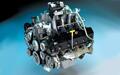
The only thing that would vary here between V10 and PSD would be dry weight, as I think PSD trucks are on average around 500 lbs more than the gas trucks.
Postmaster
Joined: Oct 2006
Posts: 4,171
Likes: 12
From: SE Texas
JL