



Payload Rating Frustrations

More Turbo
Joined: Mar 2018
Posts: 737
Likes: 13
It gets even more confusing over here in Ontario. Here, we don't really have 'CDL' at all. We have weight/seating capacity based licenses. Ignoring the bus ones (B, C, E, F) the weight ones are:
Class A: Over 11,000 kgs (24,250 lbs) GCWR, with a towed vehicle (i.e trailer) over 4,600 kg (10,141 lbs).
Class D: Over 11,000 kgs (24,250 lbs) GCWR, with a towed vehicle under 4,600 kg (10,141 lbs),
Glass G: Under 11,000 kgs (24,250 lbs) GCWR with a towed vehicle under 4,600 kg (10,141 lbs).
And then there's an RV exemption:
A class G can tow an RV that is over 4,600 kg (10,141 lbs) that is attached to a pickup as a fifth-wheel, provided the entire GCWR is still under the 11,000 kg (24,250 lbs) limit.
(Source: https://www.ontario.ca/laws/regulation/940340)
What we do have in place of a CDL, is a CVOR (Commercial Vehicle Operator's Registration). Basically, any used for commercial purposes, or anything with a RWR (Registered Weight Rating) over 4,500 kg (9,920 lbs) needs to have a CVOR, except for some exceptions, including pickups that have a RWR under 6,000 kg (13,227 lbs) that still have the original box (i.e. no box deletes or conversions).
(Source: CVOR: Commercial vehicle operator's registration)
And then finally, the really, really grey area, and what drove me to go with an F250 with the 9,900 lbs derate, is that any commercial vehicle over 4,500 kgs (9,920 lbs) requires an annual inspection. The grey area part, is that this refers to 'commercial' vehicles. Some people interpret this as 'vehicles needing a CVOR', of which most F350s would be exempt, and therefor the F350 would be exempt from the inspections However, the MTO (Ministry of Transportation of Ontario) has other places in the Highway Traffic Act that state all Pickups (even light duty Rangers, etc..) are classified as 'commercial' and therefore, if they have a RWR over 4,500 kg, still need the annual inspection, regardless of the exemption for CVOR.
(Source: Commercial vehicle safety requirements)
By going with my F250, and my Fifth Wheel also being under 9,900 lbs GWR, (and only about 8,200 lbs loaded) I avoid all those headaches, etc.... I can drive it with my Class G, I don't need a CVOR, I don't need logs, I don't need to pull into weigh stations, I don't need a medical, I don't need annual inspections, etc.... I eliminated all grey concerns, but I did have to build for the perfect balance between comfort and maximum payload.
Class A: Over 11,000 kgs (24,250 lbs) GCWR, with a towed vehicle (i.e trailer) over 4,600 kg (10,141 lbs).
Class D: Over 11,000 kgs (24,250 lbs) GCWR, with a towed vehicle under 4,600 kg (10,141 lbs),
Glass G: Under 11,000 kgs (24,250 lbs) GCWR with a towed vehicle under 4,600 kg (10,141 lbs).
And then there's an RV exemption:
A class G can tow an RV that is over 4,600 kg (10,141 lbs) that is attached to a pickup as a fifth-wheel, provided the entire GCWR is still under the 11,000 kg (24,250 lbs) limit.
(Source: https://www.ontario.ca/laws/regulation/940340)
What we do have in place of a CDL, is a CVOR (Commercial Vehicle Operator's Registration). Basically, any used for commercial purposes, or anything with a RWR (Registered Weight Rating) over 4,500 kg (9,920 lbs) needs to have a CVOR, except for some exceptions, including pickups that have a RWR under 6,000 kg (13,227 lbs) that still have the original box (i.e. no box deletes or conversions).
(Source: CVOR: Commercial vehicle operator's registration)
And then finally, the really, really grey area, and what drove me to go with an F250 with the 9,900 lbs derate, is that any commercial vehicle over 4,500 kgs (9,920 lbs) requires an annual inspection. The grey area part, is that this refers to 'commercial' vehicles. Some people interpret this as 'vehicles needing a CVOR', of which most F350s would be exempt, and therefor the F350 would be exempt from the inspections However, the MTO (Ministry of Transportation of Ontario) has other places in the Highway Traffic Act that state all Pickups (even light duty Rangers, etc..) are classified as 'commercial' and therefore, if they have a RWR over 4,500 kg, still need the annual inspection, regardless of the exemption for CVOR.
(Source: Commercial vehicle safety requirements)
By going with my F250, and my Fifth Wheel also being under 9,900 lbs GWR, (and only about 8,200 lbs loaded) I avoid all those headaches, etc.... I can drive it with my Class G, I don't need a CVOR, I don't need logs, I don't need to pull into weigh stations, I don't need a medical, I don't need annual inspections, etc.... I eliminated all grey concerns, but I did have to build for the perfect balance between comfort and maximum payload.

Hotshot


Joined: Jul 2013
Posts: 14,266
Likes: 2,187
It gets even more confusing over here in Ontario. Here, we don't really have 'CDL' at all. We have weight/seating capacity based licenses. Ignoring the bus ones (B, C, E, F) the weight ones are:
Class A: Over 11,000 kgs (24,250 lbs) GCWR, with a towed vehicle (i.e trailer) over 4,600 kg (10,141 lbs).
Class D: Over 11,000 kgs (24,250 lbs) GCWR, with a towed vehicle under 4,600 kg (10,141 lbs),
Glass G: Under 11,000 kgs (24,250 lbs) GCWR with a towed vehicle under 4,600 kg (10,141 lbs).
And then there's an RV exemption:
A class G can tow an RV that is over 4,600 kg (10,141 lbs) that is attached to a pickup as a fifth-wheel, provided the entire GCWR is still under the 11,000 kg (24,250 lbs) limit.
(Source: https://www.ontario.ca/laws/regulation/940340)
What we do have in place of a CDL, is a CVOR (Commercial Vehicle Operator's Registration). Basically, any used for commercial purposes, or anything with a RWR (Registered Weight Rating) over 4,500 kg (9,920 lbs) needs to have a CVOR, except for some exceptions, including pickups that have a RWR under 6,000 kg (13,227 lbs) that still have the original box (i.e. no box deletes or conversions).
(Source: CVOR: Commercial vehicle operator's registration)
And then finally, the really, really grey area, and what drove me to go with an F250 with the 9,900 lbs derate, is that any commercial vehicle over 4,500 kgs (9,920 lbs) requires an annual inspection. The grey area part, is that this refers to 'commercial' vehicles. Some people interpret this as 'vehicles needing a CVOR', of which most F350s would be exempt, and therefor the F350 would be exempt from the inspections However, the MTO (Ministry of Transportation of Ontario) has other places in the Highway Traffic Act that state all Pickups (even light duty Rangers, etc..) are classified as 'commercial' and therefore, if they have a RWR over 4,500 kg, still need the annual inspection, regardless of the exemption for CVOR.
(Source: Commercial vehicle safety requirements)
By going with my F250, and my Fifth Wheel also being under 9,900 lbs GWR, (and only about 8,200 lbs loaded) I avoid all those headaches, etc.... I can drive it with my Class G, I don't need a CVOR, I don't need logs, I don't need to pull into weigh stations, I don't need a medical, I don't need annual inspections, etc.... I eliminated all grey concerns, but I did have to build for the perfect balance between comfort and maximum payload.
Class A: Over 11,000 kgs (24,250 lbs) GCWR, with a towed vehicle (i.e trailer) over 4,600 kg (10,141 lbs).
Class D: Over 11,000 kgs (24,250 lbs) GCWR, with a towed vehicle under 4,600 kg (10,141 lbs),
Glass G: Under 11,000 kgs (24,250 lbs) GCWR with a towed vehicle under 4,600 kg (10,141 lbs).
And then there's an RV exemption:
A class G can tow an RV that is over 4,600 kg (10,141 lbs) that is attached to a pickup as a fifth-wheel, provided the entire GCWR is still under the 11,000 kg (24,250 lbs) limit.
(Source: https://www.ontario.ca/laws/regulation/940340)
What we do have in place of a CDL, is a CVOR (Commercial Vehicle Operator's Registration). Basically, any used for commercial purposes, or anything with a RWR (Registered Weight Rating) over 4,500 kg (9,920 lbs) needs to have a CVOR, except for some exceptions, including pickups that have a RWR under 6,000 kg (13,227 lbs) that still have the original box (i.e. no box deletes or conversions).
(Source: CVOR: Commercial vehicle operator's registration)
And then finally, the really, really grey area, and what drove me to go with an F250 with the 9,900 lbs derate, is that any commercial vehicle over 4,500 kgs (9,920 lbs) requires an annual inspection. The grey area part, is that this refers to 'commercial' vehicles. Some people interpret this as 'vehicles needing a CVOR', of which most F350s would be exempt, and therefor the F350 would be exempt from the inspections However, the MTO (Ministry of Transportation of Ontario) has other places in the Highway Traffic Act that state all Pickups (even light duty Rangers, etc..) are classified as 'commercial' and therefore, if they have a RWR over 4,500 kg, still need the annual inspection, regardless of the exemption for CVOR.
(Source: Commercial vehicle safety requirements)
By going with my F250, and my Fifth Wheel also being under 9,900 lbs GWR, (and only about 8,200 lbs loaded) I avoid all those headaches, etc.... I can drive it with my Class G, I don't need a CVOR, I don't need logs, I don't need to pull into weigh stations, I don't need a medical, I don't need annual inspections, etc.... I eliminated all grey concerns, but I did have to build for the perfect balance between comfort and maximum payload.
This is a very detailed explanation and thanks for posting it.
in the US there are similar complexities but a lot of folks have been isolated from enforcement .
Tuned
Joined: May 2019
Posts: 409
Likes: 12
Hi guys,
Based on my experience and reading the comments here here I found exactly what I wanted. It came home today.
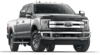
It is a new F350 Lariat, diesel, crew cab, shortbed, Fx4, 11,500 gvw, snowplow package with many options. The ride while not towing or hauling anything is fantastic. Much better than on one I tried a while ago.
For my purposes, this truck has no limitations.
Based on my experience and reading the comments here here I found exactly what I wanted. It came home today.
It is a new F350 Lariat, diesel, crew cab, shortbed, Fx4, 11,500 gvw, snowplow package with many options. The ride while not towing or hauling anything is fantastic. Much better than on one I tried a while ago.
For my purposes, this truck has no limitations.

More Turbo
Joined: Jun 2018
Posts: 715
Likes: 11
From: Nevada
Brace yourself.....
The new 2020 GMC 2500 and 3500 trucks will provide outstanding GVWR. Time for Ford to step it up in the GVWR department. I won’t spoil it for you go look for yourselves.
I wonder if Fords new 2020 trucks are going to offer increased capacities.
The new 2020 GMC 2500 and 3500 trucks will provide outstanding GVWR. Time for Ford to step it up in the GVWR department. I won’t spoil it for you go look for yourselves.
I wonder if Fords new 2020 trucks are going to offer increased capacities.

More Turbo


Joined: May 2014
Posts: 643
Likes: 154
From: Poway, CA
They can best Ford's 11,500 pound F-350 SRW GVWR. Right now you can buy a RAM 3500 SRW with a 12,300 pound GVWR.
More Turbo
Joined: Jun 2018
Posts: 715
Likes: 11
From: Nevada
You need to to look at the 2020 gmc truck site....you’ll be surprised.

Cargo Master


Joined: Mar 2005
Posts: 2,368
Likes: 620
Higher gvwr isn’t always good. A lower gvwr with a higher trailer tow capacity keeps you under 26,001. With my 11500 gvwr I had to have my trailer derated 500lb. My truck with all my tools is 9100, I’d be ok with a 10k gvwr to move it to the trailers gvwr.

Freshman User
Joined: May 2019
Posts: 44
Likes: 0
When you order trailers they will put what ever gvwr on the label you want. Order a 30k flatbed but need it to say 12k they will do that for you. Why would you want to do that...becuase if the combined vehicle and trailer can not exceed 26k or you will be in cdl land.
what I would like to do is buy an f-650 and tell Ford to label it as a f-250. That way I would be exempt from all the over 6000 gvwr restrictions, emissions testing, insurance problems, etc.
so now I have my f-650 that’s labeled as an f-250 and my 30k flayed bed that’s labeled at 12k and mechanically I would have a combined gvwr of 50k but only a legal gvwr of 22k.
What good does this do me having the mechanical ability to carry 50k combine gvwr but not the legal one.
does not make sense to me.
Just buy what you need and make due it’s labeled they way you want to use it.
what I would like to do is buy an f-650 and tell Ford to label it as a f-250. That way I would be exempt from all the over 6000 gvwr restrictions, emissions testing, insurance problems, etc.
so now I have my f-650 that’s labeled as an f-250 and my 30k flayed bed that’s labeled at 12k and mechanically I would have a combined gvwr of 50k but only a legal gvwr of 22k.
What good does this do me having the mechanical ability to carry 50k combine gvwr but not the legal one.
does not make sense to me.
Just buy what you need and make due it’s labeled they way you want to use it.
Good advice. I am shocked that people spend 60+k on a truck and don’t do basic things like making sure payload capacity is what they need for current and future needs. The price difference is small between a 250 and 350 but the capability difference is huge.
FTE Stories
Ford Trucks for Ford Truck Enthusiasts

Rezvani's Latest Post-Apocalytic Monster Is a Ford F-150 Raptor Underneath
Verdad Gallardo
Top 10 Most Expensive Ford Trucks Ever Sold on Bring a Trailer
Joe Kucinski
2027 Ford Super Duty Buyer's Guide (Every Model, Engine, & Package)
Brett Foote
Top 10 Ford Truck Tragedies
Joe Kucinski
AEV FXL Super Duty - the Super Duty Raptor Ford Doesn't Make
Brett Foote
Lobo Vs Lobo: Proof the F-150 Lobo Should Be Even Lower!
Michael S. Palmer
Ford's 2001 Explorer Sportsman Concept Looks For a New Home
Verdad Gallardo
10 Best Ford Truck Engines We Miss the Most!
Joe Kucinski
2026 Shelby F-150 Off-Road: Better Than a Raptor R?
Brett Foote
More Turbo
Joined: Jun 2018
Posts: 715
Likes: 11
From: Nevada
Na ! I’m gonna buy the biggest baddest truck I can afford to at least avoid dual wheels. That license to drive over 26,000 ain’t nothing.

More Turbo
Joined: May 2014
Posts: 643
Likes: 154
From: Poway, CA
Apparently you don't understand how GVWR relates to vehicle classes. No manufacturer can rate a 250/2500 for more than 10,000 pound because it would be a 350/3500.
More Turbo
Joined: Jun 2018
Posts: 715
Likes: 11
From: Nevada
Just read the site Einstein! Place your beef with them.

More Turbo
Joined: May 2014
Posts: 643
Likes: 154
From: Poway, CA
I stand corrected. That actually upsets everything we thought we knew about the differences between 3/4 and 1 ton trucks. GMC will now have some 2500s that are class 2 trucks and other 2500s that are class 3 trucks competing in the same weight class with their own 3500s. I'm not sure I understand the reasoning behind it. This is going to really confuse the internet weight police.
Hotshot
Joined: Oct 2015
Posts: 19,698
Likes: 12,823
From: Wyoming

If that's the case, then why bother with a 2500/3500 model designation at all? Getting the GVWR down to 10K will simply be an option to select. Much like the F-250/F-350, there won't be that many differences. Same frame, same brakes. Different axles and suspension.