


Excursion changes per year-V10

Elder User
Joined: Jan 2013
Posts: 916
Likes: 1
From: Reno, NV
Depending on where you live you may end up having to look for parts rusted out. 45k miles really shouldn't show a lot of wear. If it does I'd question if the odometer is true (at least 2 locally for me had rollbacks or cluster swaps).
Are you buying private party of from a lot?

Super Moderator


Joined: May 2004
Posts: 29,380
Likes: 118
From: Central Coast of CA

No problem, Stewart. This could be a long post, though. 
First thing I did was check all the body panels. I looked at the gaps between panels and doors to ensure they were all uniform/even. I checked the bumpers for even spacing all the way across (looking for evidence of collision on both of these). Opened and closed all the doors feeling for smoothness and "clean closing". Checked cladding along bottom of truck for any evidence of removal...gotta look at the fasteners in the wheel wells. They will have tool marks on them, or they will show indentations where they have been removed but didn't go back in the exact same spot. Same goes for body panel screws you can see under the hood (along sides of inside of engine compartment). In a nutshell, checking for bolts/screws that were taken off and didn't go back exactly where they were. This doesn't take as long as it sounds. About 15 minutes.
Next I checked all four tires. One had an excessive number of weights on it. Tread was evenly worn on all four. Rims were free of corrosion, and no evidence of curb strikes. I then climbed on top and checked the roof rack. All parts moved freely...no evidence of paint fade on the top. At all. This baby was garage kept. South Texas heat fades paint quickly on dark colored vehicles if they are kept outside. No evidence of fading on the plastic body parts, either. If 4x4, check front hubs for function. They should turn without much effort, and you will feel it "click" when you turn it all the way to the right to lock them in.
I then went underneath the truck starting from the front. Checked bolts on front bumper for evidence of removal. Bolts will have tool marks on them, or you will see where they didn't go back exactly where they were. Grab and wiggle/push tie rod ends; they should be stiff in the joints, and the tie rod should be hard to rotate. Check them for grease in the fittings. Next check the swaybar links and bushings. They should be solid and have no wiggle/play. Also look at the bushings and see if they are dry rotting. Look at oil pan and fly wheel area for evidence of oil leaks. If there are any, it will be obvious from the caked dirt on the pan/fly wheel housing. Also looking at oil pan and tranny pan for any dents or evidence of rock strikes from off-roading. You should be looking for rock strikes and major dents everywhere underneath...evidence of abuse. These are pretty long wheelbases for 4x4, so it is easy to high center and do damage off road. Check drive shafts (there are two for 4x4 trucks) for dents/scrapes. Also check U-joints for play and tightness. Check front and rear axles for signs of any leakage, especially front axle out near the tires. Check dust seals at steering knuckles. This particular truck had the front brake pads replaced and the rotors turned. Rear brakes getting kinda low with very light grooving in rear rotor. Look for ANY drips on the ground while under the truck. Check for rust on exhaust and fuel tank. Look at bolts on tow hitch for signs of removal (rear end accident). Check the rubber bump stops on all axles and springs. They will usually be falling apart or missing unless they have been replaced.
I checked the interior next. Look at carpet around all seats looking for stains. Check seats for wear and holes. Look UNDER seats at carpets for any mold (water damage and spills). Check all arm rests for function. Check seats fold properly and that they are bolted securely (evidence of removal or replacement). Check spare tire. Check overhead padding for sagging. All console doors and compartments for proper opening/closing. Check that all floor mats are present.
I then started the truck and checked that every switch inside did its job. Roll windows ALL THE WAY down and back up again. Lock and unlock the doors several times rapidly. Check rear vent windows for proper open and close. Check overhead console works/cycle through functions. Check fog lights for function. Dash lights should all work. Check power seats for function and heated seats if it has them. Check all power points for function (bring a phone charger or something). Turn truck off.
I then went under the hood and checked everything item by item. Looking for evidence of water leaks around water pump and thermostat. Look at thermostat flange (this one needed replaced). Check serpentine belt for fraying on the edges. Check upper/lower hoses for any bubbling or dry rot. Check alternator connectors for heat damage (on back of the alternator). Check engine valley for signs of leaks...this will be obvious. If there is a thick sludge in there, or fresh fluids something is leaking. Also look for tools and bolts down in there (you will need a flashlight). These could be evidence of major maintenance. Check intake boots for elasticity. Check air filter for signs of neglect (lots of dust or debris inside filter cavity). Check DATES on batteries. Look at connectors for corrosion/or signs that corrosion has been removed. Check all fluids for levels and CONDITION of the fluid. Look at exhaust headers/up pipes/down pipe and turbo for black streaks at connections. These will indicate exhaust leaks. Look for any signs of animals nesting in the engine compartment....Yes I am serious on this one. If animals were nesting, there WILL BE chewed wires or rubber somewhere. Check ALL THE FUSES! It takes a a little bit to check all the fuses, but it is time well spent. I had several blown on my truck when I bought it...they were all for the towing/trailer lights.
Started it up again. Check for white smoke when first starting it!!!!! Check for dash lights/warning lights/wait to start function. Let the engine warm up a little, then check alternator for proper output...should be between 13.5-14.5VDC (use voltmeter). Listen for any obvious mechanical whining, clicking, clacking or thumping (outside the normal clickety-clack of diesels). Crawl back under it after it has warmed up and look for leaks!! Anything besides water dripping off the condensers is a red flag. Rev it up several times and then hold it about 2000 RPMS for about 10 seconds. Look and listen for surging (tachometer).
I then hooked it up to the computer for diagnostic testing. I have a handheld Ford computer, so this was easy for me. I did all the Key On Engine Off (KOEO) tests first. There are several, with the most important (IMHO) being the famous Injector Buzz test. I then did all the Key On Engine Running (KOER) tests, with the most important being the Cylinder Contribution Test (CCT). If all these pass without getting any "soft" DTCs, then things are definitely looking up! If you don't have a computer that does all these tests, borrow a scan tool and at least check for soft codes that haven't set off the SES light on the dash.
Next I drove the truck. Please do yourself and favor, and drive it for at least 30 minutes. Turn the radio OFF :-). Checking for wander at highway speeds. Check for any play in steering when turning. Any strange noises/whining at highway speeds. Check for good, smooth acceleration...check the mirror for any white smoke when you jump on the accelerator! Give the brakes a REAL stop test. Jump on them hard and pay attention to whether it pulls left or right. If it pulls, this is likely a caliper problem or caliper slide pin problem. Check that cruise control works. Pay attention to how the transmission shifts both up and down. Test the ESOF (electronic shift on the fly) for both 4x4H and 4x4L. Go backwards and forwards in both functions, preferably on a dirt surface if you can find one. You have to be in neutral with foot on brake to shift into 4x4L. Check A/C function while driving around. Bring a thermostat (I have an Infra-red Thermo), and check vent temps at highway speeds. They should be around 38-40F. At idle you are looking for around 60-62F.
That is about it. Took me about two hours to check all the above. If you don't have a computer you can knock 30 minutes off for the diagnostic tests.
First thing I did was check all the body panels. I looked at the gaps between panels and doors to ensure they were all uniform/even. I checked the bumpers for even spacing all the way across (looking for evidence of collision on both of these). Opened and closed all the doors feeling for smoothness and "clean closing". Checked cladding along bottom of truck for any evidence of removal...gotta look at the fasteners in the wheel wells. They will have tool marks on them, or they will show indentations where they have been removed but didn't go back in the exact same spot. Same goes for body panel screws you can see under the hood (along sides of inside of engine compartment). In a nutshell, checking for bolts/screws that were taken off and didn't go back exactly where they were. This doesn't take as long as it sounds. About 15 minutes.
Next I checked all four tires. One had an excessive number of weights on it. Tread was evenly worn on all four. Rims were free of corrosion, and no evidence of curb strikes. I then climbed on top and checked the roof rack. All parts moved freely...no evidence of paint fade on the top. At all. This baby was garage kept. South Texas heat fades paint quickly on dark colored vehicles if they are kept outside. No evidence of fading on the plastic body parts, either. If 4x4, check front hubs for function. They should turn without much effort, and you will feel it "click" when you turn it all the way to the right to lock them in.
I then went underneath the truck starting from the front. Checked bolts on front bumper for evidence of removal. Bolts will have tool marks on them, or you will see where they didn't go back exactly where they were. Grab and wiggle/push tie rod ends; they should be stiff in the joints, and the tie rod should be hard to rotate. Check them for grease in the fittings. Next check the swaybar links and bushings. They should be solid and have no wiggle/play. Also look at the bushings and see if they are dry rotting. Look at oil pan and fly wheel area for evidence of oil leaks. If there are any, it will be obvious from the caked dirt on the pan/fly wheel housing. Also looking at oil pan and tranny pan for any dents or evidence of rock strikes from off-roading. You should be looking for rock strikes and major dents everywhere underneath...evidence of abuse. These are pretty long wheelbases for 4x4, so it is easy to high center and do damage off road. Check drive shafts (there are two for 4x4 trucks) for dents/scrapes. Also check U-joints for play and tightness. Check front and rear axles for signs of any leakage, especially front axle out near the tires. Check dust seals at steering knuckles. This particular truck had the front brake pads replaced and the rotors turned. Rear brakes getting kinda low with very light grooving in rear rotor. Look for ANY drips on the ground while under the truck. Check for rust on exhaust and fuel tank. Look at bolts on tow hitch for signs of removal (rear end accident). Check the rubber bump stops on all axles and springs. They will usually be falling apart or missing unless they have been replaced.
I checked the interior next. Look at carpet around all seats looking for stains. Check seats for wear and holes. Look UNDER seats at carpets for any mold (water damage and spills). Check all arm rests for function. Check seats fold properly and that they are bolted securely (evidence of removal or replacement). Check spare tire. Check overhead padding for sagging. All console doors and compartments for proper opening/closing. Check that all floor mats are present.
I then started the truck and checked that every switch inside did its job. Roll windows ALL THE WAY down and back up again. Lock and unlock the doors several times rapidly. Check rear vent windows for proper open and close. Check overhead console works/cycle through functions. Check fog lights for function. Dash lights should all work. Check power seats for function and heated seats if it has them. Check all power points for function (bring a phone charger or something). Turn truck off.
I then went under the hood and checked everything item by item. Looking for evidence of water leaks around water pump and thermostat. Look at thermostat flange (this one needed replaced). Check serpentine belt for fraying on the edges. Check upper/lower hoses for any bubbling or dry rot. Check alternator connectors for heat damage (on back of the alternator). Check engine valley for signs of leaks...this will be obvious. If there is a thick sludge in there, or fresh fluids something is leaking. Also look for tools and bolts down in there (you will need a flashlight). These could be evidence of major maintenance. Check intake boots for elasticity. Check air filter for signs of neglect (lots of dust or debris inside filter cavity). Check DATES on batteries. Look at connectors for corrosion/or signs that corrosion has been removed. Check all fluids for levels and CONDITION of the fluid. Look at exhaust headers/up pipes/down pipe and turbo for black streaks at connections. These will indicate exhaust leaks. Look for any signs of animals nesting in the engine compartment....Yes I am serious on this one. If animals were nesting, there WILL BE chewed wires or rubber somewhere. Check ALL THE FUSES! It takes a a little bit to check all the fuses, but it is time well spent. I had several blown on my truck when I bought it...they were all for the towing/trailer lights.
Started it up again. Check for white smoke when first starting it!!!!! Check for dash lights/warning lights/wait to start function. Let the engine warm up a little, then check alternator for proper output...should be between 13.5-14.5VDC (use voltmeter). Listen for any obvious mechanical whining, clicking, clacking or thumping (outside the normal clickety-clack of diesels). Crawl back under it after it has warmed up and look for leaks!! Anything besides water dripping off the condensers is a red flag. Rev it up several times and then hold it about 2000 RPMS for about 10 seconds. Look and listen for surging (tachometer).
I then hooked it up to the computer for diagnostic testing. I have a handheld Ford computer, so this was easy for me. I did all the Key On Engine Off (KOEO) tests first. There are several, with the most important (IMHO) being the famous Injector Buzz test. I then did all the Key On Engine Running (KOER) tests, with the most important being the Cylinder Contribution Test (CCT). If all these pass without getting any "soft" DTCs, then things are definitely looking up! If you don't have a computer that does all these tests, borrow a scan tool and at least check for soft codes that haven't set off the SES light on the dash.
Next I drove the truck. Please do yourself and favor, and drive it for at least 30 minutes. Turn the radio OFF :-). Checking for wander at highway speeds. Check for any play in steering when turning. Any strange noises/whining at highway speeds. Check for good, smooth acceleration...check the mirror for any white smoke when you jump on the accelerator! Give the brakes a REAL stop test. Jump on them hard and pay attention to whether it pulls left or right. If it pulls, this is likely a caliper problem or caliper slide pin problem. Check that cruise control works. Pay attention to how the transmission shifts both up and down. Test the ESOF (electronic shift on the fly) for both 4x4H and 4x4L. Go backwards and forwards in both functions, preferably on a dirt surface if you can find one. You have to be in neutral with foot on brake to shift into 4x4L. Check A/C function while driving around. Bring a thermostat (I have an Infra-red Thermo), and check vent temps at highway speeds. They should be around 38-40F. At idle you are looking for around 60-62F.
That is about it. Took me about two hours to check all the above. If you don't have a computer you can knock 30 minutes off for the diagnostic tests.

Stewart

Post Fiend
Joined: Mar 2009
Posts: 11,798
Likes: 14
From: Mt. Shasta California
No problem, Stewart. This could be a long post, though.
First thing I did was check all the body panels. I looked at the gaps between panels and doors to ensure they were all uniform/even. I checked the bumpers for even spacing all the way across (looking for evidence of collision on both of these). Opened and closed all the doors feeling for smoothness and "clean closing". Checked cladding along bottom of truck for any evidence of removal...gotta look at the fasteners in the wheel wells. They will have tool marks on them, or they will show indentations where they have been removed but didn't go back in the exact same spot. Same goes for body panel screws you can see under the hood (along sides of inside of engine compartment). In a nutshell, checking for bolts/screws that were taken off and didn't go back exactly where they were. This doesn't take as long as it sounds. About 15 minutes.
Next I checked all four tires. One had an excessive number of weights on it. Tread was evenly worn on all four. Rims were free of corrosion, and no evidence of curb strikes. I then climbed on top and checked the roof rack. All parts moved freely...no evidence of paint fade on the top. At all. This baby was garage kept. South Texas heat fades paint quickly on dark colored vehicles if they are kept outside. No evidence of fading on the plastic body parts, either. If 4x4, check front hubs for function. They should turn without much effort, and you will feel it "click" when you turn it all the way to the right to lock them in.
I then went underneath the truck starting from the front. Checked bolts on front bumper for evidence of removal. Bolts will have tool marks on them, or you will see where they didn't go back exactly where they were. Grab and wiggle/push tie rod ends; they should be stiff in the joints, and the tie rod should be hard to rotate. Check them for grease in the fittings. Next check the swaybar links and bushings. They should be solid and have no wiggle/play. Also look at the bushings and see if they are dry rotting. Look at oil pan and fly wheel area for evidence of oil leaks. If there are any, it will be obvious from the caked dirt on the pan/fly wheel housing. Also looking at oil pan and tranny pan for any dents or evidence of rock strikes from off-roading. You should be looking for rock strikes and major dents everywhere underneath...evidence of abuse. These are pretty long wheelbases for 4x4, so it is easy to high center and do damage off road. Check drive shafts (there are two for 4x4 trucks) for dents/scrapes. Also check U-joints for play and tightness. Check front and rear axles for signs of any leakage, especially front axle out near the tires. Check dust seals at steering knuckles. This particular truck had the front brake pads replaced and the rotors turned. Rear brakes getting kinda low with very light grooving in rear rotor. Look for ANY drips on the ground while under the truck. Check for rust on exhaust and fuel tank. Look at bolts on tow hitch for signs of removal (rear end accident). Check the rubber bump stops on all axles and springs. They will usually be falling apart or missing unless they have been replaced.
I checked the interior next. Look at carpet around all seats looking for stains. Check seats for wear and holes. Look UNDER seats at carpets for any mold (water damage and spills). Check all arm rests for function. Check seats fold properly and that they are bolted securely (evidence of removal or replacement). Check spare tire. Check overhead padding for sagging. All console doors and compartments for proper opening/closing. Check that all floor mats are present.
I then started the truck and checked that every switch inside did its job. Roll windows ALL THE WAY down and back up again. Lock and unlock the doors several times rapidly. Check rear vent windows for proper open and close. Check overhead console works/cycle through functions. Check fog lights for function. Dash lights should all work. Check power seats for function and heated seats if it has them. Check all power points for function (bring a phone charger or something). Turn truck off.
I then went under the hood and checked everything item by item. Looking for evidence of water leaks around water pump and thermostat. Look at thermostat flange (this one needed replaced). Check serpentine belt for fraying on the edges. Check upper/lower hoses for any bubbling or dry rot. Check alternator connectors for heat damage (on back of the alternator). Check engine valley for signs of leaks...this will be obvious. If there is a thick sludge in there, or fresh fluids something is leaking. Also look for tools and bolts down in there (you will need a flashlight). These could be evidence of major maintenance. Check intake boots for elasticity. Check air filter for signs of neglect (lots of dust or debris inside filter cavity). Check DATES on batteries. Look at connectors for corrosion/or signs that corrosion has been removed. Check all fluids for levels and CONDITION of the fluid. Look at exhaust headers/up pipes/down pipe and turbo for black streaks at connections. These will indicate exhaust leaks. Look for any signs of animals nesting in the engine compartment....Yes I am serious on this one. If animals were nesting, there WILL BE chewed wires or rubber somewhere. Check ALL THE FUSES! It takes a a little bit to check all the fuses, but it is time well spent. I had several blown on my truck when I bought it...they were all for the towing/trailer lights.
Started it up again. Check for white smoke when first starting it!!!!! Check for dash lights/warning lights/wait to start function. Let the engine warm up a little, then check alternator for proper output...should be between 13.5-14.5VDC (use voltmeter). Listen for any obvious mechanical whining, clicking, clacking or thumping (outside the normal clickety-clack of diesels). Crawl back under it after it has warmed up and look for leaks!! Anything besides water dripping off the condensers is a red flag. Rev it up several times and then hold it about 2000 RPMS for about 10 seconds. Look and listen for surging (tachometer).
I then hooked it up to the computer for diagnostic testing. I have a handheld Ford computer, so this was easy for me. I did all the Key On Engine Off (KOEO) tests first. There are several, with the most important (IMHO) being the famous Injector Buzz test. I then did all the Key On Engine Running (KOER) tests, with the most important being the Cylinder Contribution Test (CCT). If all these pass without getting any "soft" DTCs, then things are definitely looking up! If you don't have a computer that does all these tests, borrow a scan tool and at least check for soft codes that haven't set off the SES light on the dash.
Next I drove the truck. Please do yourself and favor, and drive it for at least 30 minutes. Turn the radio OFF :-). Checking for wander at highway speeds. Check for any play in steering when turning. Any strange noises/whining at highway speeds. Check for good, smooth acceleration...check the mirror for any white smoke when you jump on the accelerator! Give the brakes a REAL stop test. Jump on them hard and pay attention to whether it pulls left or right. If it pulls, this is likely a caliper problem or caliper slide pin problem. Check that cruise control works. Pay attention to how the transmission shifts both up and down. Test the ESOF (electronic shift on the fly) for both 4x4H and 4x4L. Go backwards and forwards in both functions, preferably on a dirt surface if you can find one. You have to be in neutral with foot on brake to shift into 4x4L. Check A/C function while driving around. Bring a thermostat (I have an Infra-red Thermo), and check vent temps at highway speeds. They should be around 38-40F. At idle you are looking for around 60-62F.
That is about it. Took me about two hours to check all the above. If you don't have a computer you can knock 30 minutes off for the diagnostic tests.
__________________
Can you say.............OCD?
First thing I did was check all the body panels. I looked at the gaps between panels and doors to ensure they were all uniform/even. I checked the bumpers for even spacing all the way across (looking for evidence of collision on both of these). Opened and closed all the doors feeling for smoothness and "clean closing". Checked cladding along bottom of truck for any evidence of removal...gotta look at the fasteners in the wheel wells. They will have tool marks on them, or they will show indentations where they have been removed but didn't go back in the exact same spot. Same goes for body panel screws you can see under the hood (along sides of inside of engine compartment). In a nutshell, checking for bolts/screws that were taken off and didn't go back exactly where they were. This doesn't take as long as it sounds. About 15 minutes.
Next I checked all four tires. One had an excessive number of weights on it. Tread was evenly worn on all four. Rims were free of corrosion, and no evidence of curb strikes. I then climbed on top and checked the roof rack. All parts moved freely...no evidence of paint fade on the top. At all. This baby was garage kept. South Texas heat fades paint quickly on dark colored vehicles if they are kept outside. No evidence of fading on the plastic body parts, either. If 4x4, check front hubs for function. They should turn without much effort, and you will feel it "click" when you turn it all the way to the right to lock them in.
I then went underneath the truck starting from the front. Checked bolts on front bumper for evidence of removal. Bolts will have tool marks on them, or you will see where they didn't go back exactly where they were. Grab and wiggle/push tie rod ends; they should be stiff in the joints, and the tie rod should be hard to rotate. Check them for grease in the fittings. Next check the swaybar links and bushings. They should be solid and have no wiggle/play. Also look at the bushings and see if they are dry rotting. Look at oil pan and fly wheel area for evidence of oil leaks. If there are any, it will be obvious from the caked dirt on the pan/fly wheel housing. Also looking at oil pan and tranny pan for any dents or evidence of rock strikes from off-roading. You should be looking for rock strikes and major dents everywhere underneath...evidence of abuse. These are pretty long wheelbases for 4x4, so it is easy to high center and do damage off road. Check drive shafts (there are two for 4x4 trucks) for dents/scrapes. Also check U-joints for play and tightness. Check front and rear axles for signs of any leakage, especially front axle out near the tires. Check dust seals at steering knuckles. This particular truck had the front brake pads replaced and the rotors turned. Rear brakes getting kinda low with very light grooving in rear rotor. Look for ANY drips on the ground while under the truck. Check for rust on exhaust and fuel tank. Look at bolts on tow hitch for signs of removal (rear end accident). Check the rubber bump stops on all axles and springs. They will usually be falling apart or missing unless they have been replaced.
I checked the interior next. Look at carpet around all seats looking for stains. Check seats for wear and holes. Look UNDER seats at carpets for any mold (water damage and spills). Check all arm rests for function. Check seats fold properly and that they are bolted securely (evidence of removal or replacement). Check spare tire. Check overhead padding for sagging. All console doors and compartments for proper opening/closing. Check that all floor mats are present.
I then started the truck and checked that every switch inside did its job. Roll windows ALL THE WAY down and back up again. Lock and unlock the doors several times rapidly. Check rear vent windows for proper open and close. Check overhead console works/cycle through functions. Check fog lights for function. Dash lights should all work. Check power seats for function and heated seats if it has them. Check all power points for function (bring a phone charger or something). Turn truck off.
I then went under the hood and checked everything item by item. Looking for evidence of water leaks around water pump and thermostat. Look at thermostat flange (this one needed replaced). Check serpentine belt for fraying on the edges. Check upper/lower hoses for any bubbling or dry rot. Check alternator connectors for heat damage (on back of the alternator). Check engine valley for signs of leaks...this will be obvious. If there is a thick sludge in there, or fresh fluids something is leaking. Also look for tools and bolts down in there (you will need a flashlight). These could be evidence of major maintenance. Check intake boots for elasticity. Check air filter for signs of neglect (lots of dust or debris inside filter cavity). Check DATES on batteries. Look at connectors for corrosion/or signs that corrosion has been removed. Check all fluids for levels and CONDITION of the fluid. Look at exhaust headers/up pipes/down pipe and turbo for black streaks at connections. These will indicate exhaust leaks. Look for any signs of animals nesting in the engine compartment....Yes I am serious on this one. If animals were nesting, there WILL BE chewed wires or rubber somewhere. Check ALL THE FUSES! It takes a a little bit to check all the fuses, but it is time well spent. I had several blown on my truck when I bought it...they were all for the towing/trailer lights.
Started it up again. Check for white smoke when first starting it!!!!! Check for dash lights/warning lights/wait to start function. Let the engine warm up a little, then check alternator for proper output...should be between 13.5-14.5VDC (use voltmeter). Listen for any obvious mechanical whining, clicking, clacking or thumping (outside the normal clickety-clack of diesels). Crawl back under it after it has warmed up and look for leaks!! Anything besides water dripping off the condensers is a red flag. Rev it up several times and then hold it about 2000 RPMS for about 10 seconds. Look and listen for surging (tachometer).
I then hooked it up to the computer for diagnostic testing. I have a handheld Ford computer, so this was easy for me. I did all the Key On Engine Off (KOEO) tests first. There are several, with the most important (IMHO) being the famous Injector Buzz test. I then did all the Key On Engine Running (KOER) tests, with the most important being the Cylinder Contribution Test (CCT). If all these pass without getting any "soft" DTCs, then things are definitely looking up! If you don't have a computer that does all these tests, borrow a scan tool and at least check for soft codes that haven't set off the SES light on the dash.
Next I drove the truck. Please do yourself and favor, and drive it for at least 30 minutes. Turn the radio OFF :-). Checking for wander at highway speeds. Check for any play in steering when turning. Any strange noises/whining at highway speeds. Check for good, smooth acceleration...check the mirror for any white smoke when you jump on the accelerator! Give the brakes a REAL stop test. Jump on them hard and pay attention to whether it pulls left or right. If it pulls, this is likely a caliper problem or caliper slide pin problem. Check that cruise control works. Pay attention to how the transmission shifts both up and down. Test the ESOF (electronic shift on the fly) for both 4x4H and 4x4L. Go backwards and forwards in both functions, preferably on a dirt surface if you can find one. You have to be in neutral with foot on brake to shift into 4x4L. Check A/C function while driving around. Bring a thermostat (I have an Infra-red Thermo), and check vent temps at highway speeds. They should be around 38-40F. At idle you are looking for around 60-62F.
That is about it. Took me about two hours to check all the above. If you don't have a computer you can knock 30 minutes off for the diagnostic tests.
__________________
Can you say.............OCD?
Super Moderator
Joined: May 2004
Posts: 29,380
Likes: 118
From: Central Coast of CA
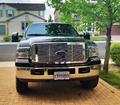
Mike was doing a favor for a member and checking out an Excursion that was for sale. The member lived out of state and needed to know if the Ex was in good shape and would be worth purchasing.
Thorough, not OCD.
And once again, a big "hell yeah" shout out to Mike for taking the time to help a member out.
Stewart
Thorough, not OCD.
And once again, a big "hell yeah" shout out to Mike for taking the time to help a member out.
Stewart

Thread
Thread Starter
Forum
Replies
Last Post


