





Method Wheels
Cargo Master
Joined: Jul 2021
Posts: 2,969
Likes: 2,407
From: Ridgway, CO
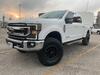
I have known for a while these are what I want... I can do the standards, double standards, 305's, 315's as long as they are polished. I will be calling them today to see if there is anything available. Getting wheels and tires right now is like pulling teeth...

Mountain Pass

Joined: Dec 2019
Posts: 200
Likes: 63
No Rub on the fender well or front bumper on the full Wheel Turn…? Waiting on 22 F350 Platinum… Getting Ready to order … the same wheel set up… Can you tell me what offset you have..?
It would be much appreciated….
It would be much appreciated….

Trailering
Joined: May 2019
Posts: 24
Likes: 11
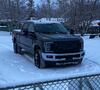
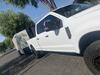
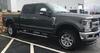
No trimming of any kind, no rubbing full lock to full lock. These are 0 offset
Mountain Pass
Joined: Dec 2019
Posts: 200
Likes: 63
17x8.5..?
FTE Stories
Ford Trucks for Ford Truck Enthusiasts

3 Best / 3 Worst Parts of Modern Ford Ownership
Brett Foote
10 Amazing Upgrades That Solve Common Ford Truck Owner Headaches
Pouria Savadkouei
Every 2026 Ford Engine Explained
Brett Foote
10 Ugly Ford Trucks That We Still Kinda Love
Joe Kucinski
10 Things Every Truck Owner NEEDS (2026 Edition)
Michael S. Palmer
Rezvani's Latest Post-Apocalyptic Monster Is a Ford F-150 Raptor Underneath
Verdad Gallardo
Top 10 Most Expensive Ford Trucks Ever Sold on Bring a Trailer
Joe Kucinski
2027 Ford Super Duty Buyer's Guide (Every Model, Engine, & Package)
Brett Foote
Top 10 Ford Truck Tragedies
Joe Kucinski
Tuned
Joined: Feb 2019
Posts: 291
Likes: 7
From: Houston
For those of you that have gone down in wheel size with Method wheels (such as from factory 20”s to 17s/18s), how has your ride been affected? I would imagine it to be softer but does handling decrease with more sidewall? Any info is appreciated.

Trailering
Joined: May 2019
Posts: 24
Likes: 11
Wheel size is 17x8.5
The ride definitely changed . You cant take away that these are 3/4 ton trucks with suspension designed around carrying weight vs a plush ride. Right now i have 50 PSI up front and 45 PSI out back. There are certain things I dont feel in the road any more when compaired to the stock 20's with 65 PSI. A good example would be a rail way crossing. The higher volume tire is absorbing a good amount of the initial hit while the high rate springs still have a strong rebound. The rear doesnt bounce as much either. The same rail way crossing with 20's at 65 PSI I would have bounced in my seat a little.
As far as handeling I havent felt a difference. There is a curve I take everyday at 50 MPH and the truck isnt leaning any different than with the stock wheel/tires. These are E-rated tires so the side walls are stiff. When I haul material I air up the rear tires (these are E2 rated tires so 65 PSI MAX) and still have good handeling.
I can only imagine if you are towing super heavy loads a long distance that you would have some wondering... maybe?
My final thought is that the higher volume tires at a lower PSI softened the ride a little but ultimatly the high rate springs are the bigger determining factor to ride quality and handeling.
The ride definitely changed . You cant take away that these are 3/4 ton trucks with suspension designed around carrying weight vs a plush ride. Right now i have 50 PSI up front and 45 PSI out back. There are certain things I dont feel in the road any more when compaired to the stock 20's with 65 PSI. A good example would be a rail way crossing. The higher volume tire is absorbing a good amount of the initial hit while the high rate springs still have a strong rebound. The rear doesnt bounce as much either. The same rail way crossing with 20's at 65 PSI I would have bounced in my seat a little.
As far as handeling I havent felt a difference. There is a curve I take everyday at 50 MPH and the truck isnt leaning any different than with the stock wheel/tires. These are E-rated tires so the side walls are stiff. When I haul material I air up the rear tires (these are E2 rated tires so 65 PSI MAX) and still have good handeling.
I can only imagine if you are towing super heavy loads a long distance that you would have some wondering... maybe?
My final thought is that the higher volume tires at a lower PSI softened the ride a little but ultimatly the high rate springs are the bigger determining factor to ride quality and handeling.
Mountain Pass
Joined: Dec 2019
Posts: 200
Likes: 63
Wheel Size..
Wheel size is 17x8.5
The ride definitely changed . You cant take away that these are 3/4 ton trucks with suspension designed around carrying weight vs a plush ride. Right now i have 50 PSI up front and 45 PSI out back. There are certain things I dont feel in the road any more when compaired to the stock 20's with 65 PSI. A good example would be a rail way crossing. The higher volume tire is absorbing a good amount of the initial hit while the high rate springs still have a strong rebound. The rear doesnt bounce as much either. The same rail way crossing with 20's at 65 PSI I would have bounced in my seat a little.
As far as handeling I havent felt a difference. There is a curve I take everyday at 50 MPH and the truck isnt leaning any different than with the stock wheel/tires. These are E-rated tires so the side walls are stiff. When I haul material I air up the rear tires (these are E2 rated tires so 65 PSI MAX) and still have good handeling.
I can only imagine if you are towing super heavy loads a long distance that you would have some wondering... maybe?
My final thought is that the higher volume tires at a lower PSI softened the ride a little but ultimatly the high rate springs are the bigger determining factor to ride quality and handeling.
The ride definitely changed . You cant take away that these are 3/4 ton trucks with suspension designed around carrying weight vs a plush ride. Right now i have 50 PSI up front and 45 PSI out back. There are certain things I dont feel in the road any more when compaired to the stock 20's with 65 PSI. A good example would be a rail way crossing. The higher volume tire is absorbing a good amount of the initial hit while the high rate springs still have a strong rebound. The rear doesnt bounce as much either. The same rail way crossing with 20's at 65 PSI I would have bounced in my seat a little.
As far as handeling I havent felt a difference. There is a curve I take everyday at 50 MPH and the truck isnt leaning any different than with the stock wheel/tires. These are E-rated tires so the side walls are stiff. When I haul material I air up the rear tires (these are E2 rated tires so 65 PSI MAX) and still have good handeling.
I can only imagine if you are towing super heavy loads a long distance that you would have some wondering... maybe?
My final thought is that the higher volume tires at a lower PSI softened the ride a little but ultimatly the high rate springs are the bigger determining factor to ride quality and handeling.
...Thanks ...I Appreciate it...
Fleet Mechanic
Joined: Jul 2006
Posts: 1,513
Likes: 1,252
From: Florida
Wheel size is 17x8.5
The ride definitely changed . You cant take away that these are 3/4 ton trucks with suspension designed around carrying weight vs a plush ride. Right now i have 50 PSI up front and 45 PSI out back. There are certain things I dont feel in the road any more when compaired to the stock 20's with 65 PSI. A good example would be a rail way crossing. The higher volume tire is absorbing a good amount of the initial hit while the high rate springs still have a strong rebound. The rear doesnt bounce as much either. The same rail way crossing with 20's at 65 PSI I would have bounced in my seat a little.
As far as handeling I havent felt a difference. There is a curve I take everyday at 50 MPH and the truck isnt leaning any different than with the stock wheel/tires. These are E-rated tires so the side walls are stiff. When I haul material I air up the rear tires (these are E2 rated tires so 65 PSI MAX) and still have good handeling.
I can only imagine if you are towing super heavy loads a long distance that you would have some wondering... maybe?
My final thought is that the higher volume tires at a lower PSI softened the ride a little but ultimatly the high rate springs are the bigger determining factor to ride quality and handeling.
The ride definitely changed . You cant take away that these are 3/4 ton trucks with suspension designed around carrying weight vs a plush ride. Right now i have 50 PSI up front and 45 PSI out back. There are certain things I dont feel in the road any more when compaired to the stock 20's with 65 PSI. A good example would be a rail way crossing. The higher volume tire is absorbing a good amount of the initial hit while the high rate springs still have a strong rebound. The rear doesnt bounce as much either. The same rail way crossing with 20's at 65 PSI I would have bounced in my seat a little.
As far as handeling I havent felt a difference. There is a curve I take everyday at 50 MPH and the truck isnt leaning any different than with the stock wheel/tires. These are E-rated tires so the side walls are stiff. When I haul material I air up the rear tires (these are E2 rated tires so 65 PSI MAX) and still have good handeling.
I can only imagine if you are towing super heavy loads a long distance that you would have some wondering... maybe?
My final thought is that the higher volume tires at a lower PSI softened the ride a little but ultimatly the high rate springs are the bigger determining factor to ride quality and handeling.
Tuned
Joined: Feb 2019
Posts: 291
Likes: 7
From: Houston
Wheel size is 17x8.5
The ride definitely changed . You cant take away that these are 3/4 ton trucks with suspension designed around carrying weight vs a plush ride. Right now i have 50 PSI up front and 45 PSI out back. There are certain things I dont feel in the road any more when compaired to the stock 20's with 65 PSI. A good example would be a rail way crossing. The higher volume tire is absorbing a good amount of the initial hit while the high rate springs still have a strong rebound. The rear doesnt bounce as much either. The same rail way crossing with 20's at 65 PSI I would have bounced in my seat a little.
As far as handeling I havent felt a difference. There is a curve I take everyday at 50 MPH and the truck isnt leaning any different than with the stock wheel/tires. These are E-rated tires so the side walls are stiff. When I haul material I air up the rear tires (these are E2 rated tires so 65 PSI MAX) and still have good handeling.
I can only imagine if you are towing super heavy loads a long distance that you would have some wondering... maybe?
My final thought is that the higher volume tires at a lower PSI softened the ride a little but ultimatly the high rate springs are the bigger determining factor to ride quality and handeling.
The ride definitely changed . You cant take away that these are 3/4 ton trucks with suspension designed around carrying weight vs a plush ride. Right now i have 50 PSI up front and 45 PSI out back. There are certain things I dont feel in the road any more when compaired to the stock 20's with 65 PSI. A good example would be a rail way crossing. The higher volume tire is absorbing a good amount of the initial hit while the high rate springs still have a strong rebound. The rear doesnt bounce as much either. The same rail way crossing with 20's at 65 PSI I would have bounced in my seat a little.
As far as handeling I havent felt a difference. There is a curve I take everyday at 50 MPH and the truck isnt leaning any different than with the stock wheel/tires. These are E-rated tires so the side walls are stiff. When I haul material I air up the rear tires (these are E2 rated tires so 65 PSI MAX) and still have good handeling.
I can only imagine if you are towing super heavy loads a long distance that you would have some wondering... maybe?
My final thought is that the higher volume tires at a lower PSI softened the ride a little but ultimatly the high rate springs are the bigger determining factor to ride quality and handeling.
Again, thank you!