






"Oddballs" pics
New User
Joined: Sep 2011
Posts: 24
Likes: 2
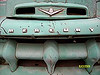
1956 F250 telephone or electric co truck
Yes everything is stock almost identical to an f100 . Tank is behind the seat. I think the front fenders are fatter for the large tires may have seen somewhere they are 17. something in rims any specs . Let me know
Hotshot


Joined: Oct 2009
Posts: 16,192
Likes: 4,805
From: Burbank, WA
The oddball king winner, right here...(it's amazing the things you find when looking for something else )
)

And some of the modified vehicles that made it to the pages of Ford Times weren’t even built by an individual for individualistic purposes, as we see from the November 1954 issue.
)And some of the modified vehicles that made it to the pages of Ford Times weren’t even built by an individual for individualistic purposes, as we see from the November 1954 issue.
One of the many places Ford industrial engines are doing a man-sized job is, believe it or not, on the railroads. Shown above is an inspection car for executives’ use, built by the Kalamazoo Manufacturing Company in Kalamazoo, Michigan, powered by the Rouge 239 cubic inch V-8 engine. This unit uses a standard three speed and reverse Ford transmission, coupled to a special reverse transmission to provide for equal speed forward or backward. The final drive is by triple roller chain from either side of the reverse transmission to the rear axle. The car uses standard Ford ignition and lighting around. The operator’s seat is forward with two passenger seats alongside. Behind these are four seats facing forward and four facing to the rear, providing a total seating space for ten inspectors in addition to the driver, plus a baggage trunk at the rear.
Ford Times at Hemmings Blog: Classic and collectible cars and parts
Ford Times at Hemmings Blog: Classic and collectible cars and parts

Laughing Gas

Joined: Sep 2010
Posts: 995
Likes: 67
From: Mid-Michigan
I dunno... I think that high-rise car hauler Bob posted on the first page of this thread is still neck-and-neck with the trolley.
Marmon-Herrington Man


Joined: Jul 2005
Posts: 11,986
Likes: 446
From: Central Illinois

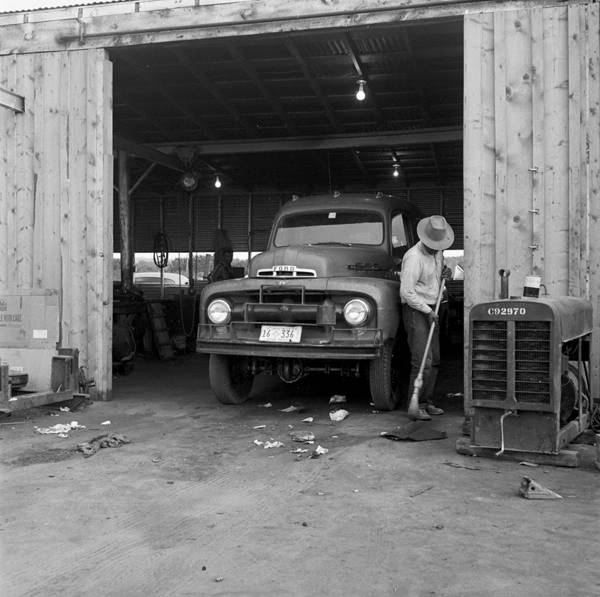
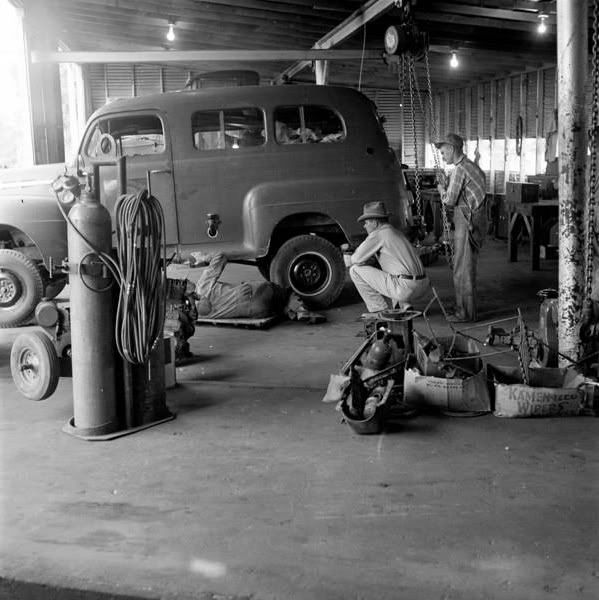
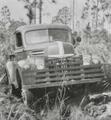
Holy cow, Dick!! Where'd you find these pics? You just sent me to the barn to see if it's my truck. It's not. Mine's never had roof lights. Mark Mossell (the chassisman), in doing his registry, has talked to an old Siebert worker and says he thinks M-H only did seven Rangers in 1951. These pics are great. Thanks. Stu

FTE Legend
Joined: Oct 2005
Posts: 283,910
Likes: 8,369
From: northwestern Ontario
Are you talking about the guys working on this truck lol
lol
lol
FTE Stories
Ford Trucks for Ford Truck Enthusiasts

Top 10 Fords at 2026 Carlisle Ford Nationals
Joe Kucinski
3 Best / 3 Worst Parts of Modern Ford Ownership
Brett Foote
10 Amazing Upgrades That Solve Common Ford Truck Owner Headaches
Pouria Savadkouei
Every 2026 Ford Engine Explained
Brett Foote
10 Ugly Ford Trucks That We Still Kinda Love
Joe Kucinski
10 Things Every Truck Owner NEEDS (2026 Edition)
Michael S. Palmer
Rezvani's Latest Post-Apocalyptic Monster Is a Ford F-150 Raptor Underneath
Verdad Gallardo
Top 10 Most Expensive Ford Trucks Ever Sold on Bring a Trailer
Joe Kucinski
2027 Ford Super Duty Buyer's Guide (Every Model, Engine, & Package)
Brett Foote
FTE Legend
Joined: Oct 2005
Posts: 283,910
Likes: 8,369
From: northwestern Ontario
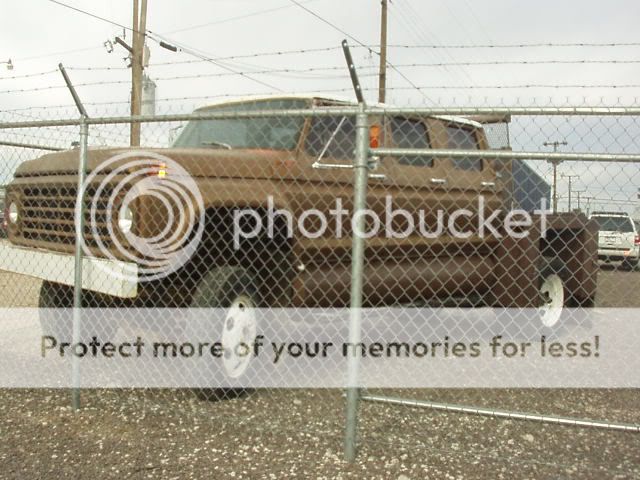
That fuel tank speaks volumns on the extended extended cab.



Hotshot
Joined: Oct 2009
Posts: 16,192
Likes: 4,805
From: Burbank, WA
The license plate is New Mexico, circa 1954. FYI. If there was only 7 of those made, perhaps this info will help trace the history of one of them.
Last edited by 52 Merc; Sep 6, 2011 at 09:50 PM. Reason: plate year correction, based on number font
Senior User
Joined: Nov 2010
Posts: 243
Likes: 2
From: Guadalajara, Mexico
Hey Stu, thanks for the M-H pictures.
I found a side view of that '52 1/2 ton extended cab you posted above:
From the Hemmings Forum: extended-cab pickup from 1952? at Hemmings Blog: Classic and collectible cars and parts

Looks to me like they just sectioned out the front of the bed and cut into the rear fenders to make room for the cab extension for both of the 1/2 tons. I'm guessing they did a similar operation on the 3/4 ton, but as they didn't have to cut quite as far back, they were able to leave the fenders intact. I do wonder how many different "they's" there were doing these conversions though...
I found a side view of that '52 1/2 ton extended cab you posted above:
From the Hemmings Forum: extended-cab pickup from 1952? at Hemmings Blog: Classic and collectible cars and parts
Looks to me like they just sectioned out the front of the bed and cut into the rear fenders to make room for the cab extension for both of the 1/2 tons. I'm guessing they did a similar operation on the 3/4 ton, but as they didn't have to cut quite as far back, they were able to leave the fenders intact. I do wonder how many different "they's" there were doing these conversions though...