When you click on links to various merchants on this site and make a purchase, this can result in this site earning a commission. Affiliate programs and affiliations include, but are not limited to, the eBay Partner Network.
FYI, Steve reported -20 in.Hg when I had him check the vacuum on the red line. See post #554.
He also added a new Check-Valve to the Red Hose, then tested the vacuum where the Black Hose side connects to the Reservoir (Solinoid Vacuum Manifold side) and reported -20 in.Hg.
Anybody got a good picture of this leaky vacuum manifold?
Preferably off truck & unhooked so it's real visible.
-Enjoy
fh : )_~
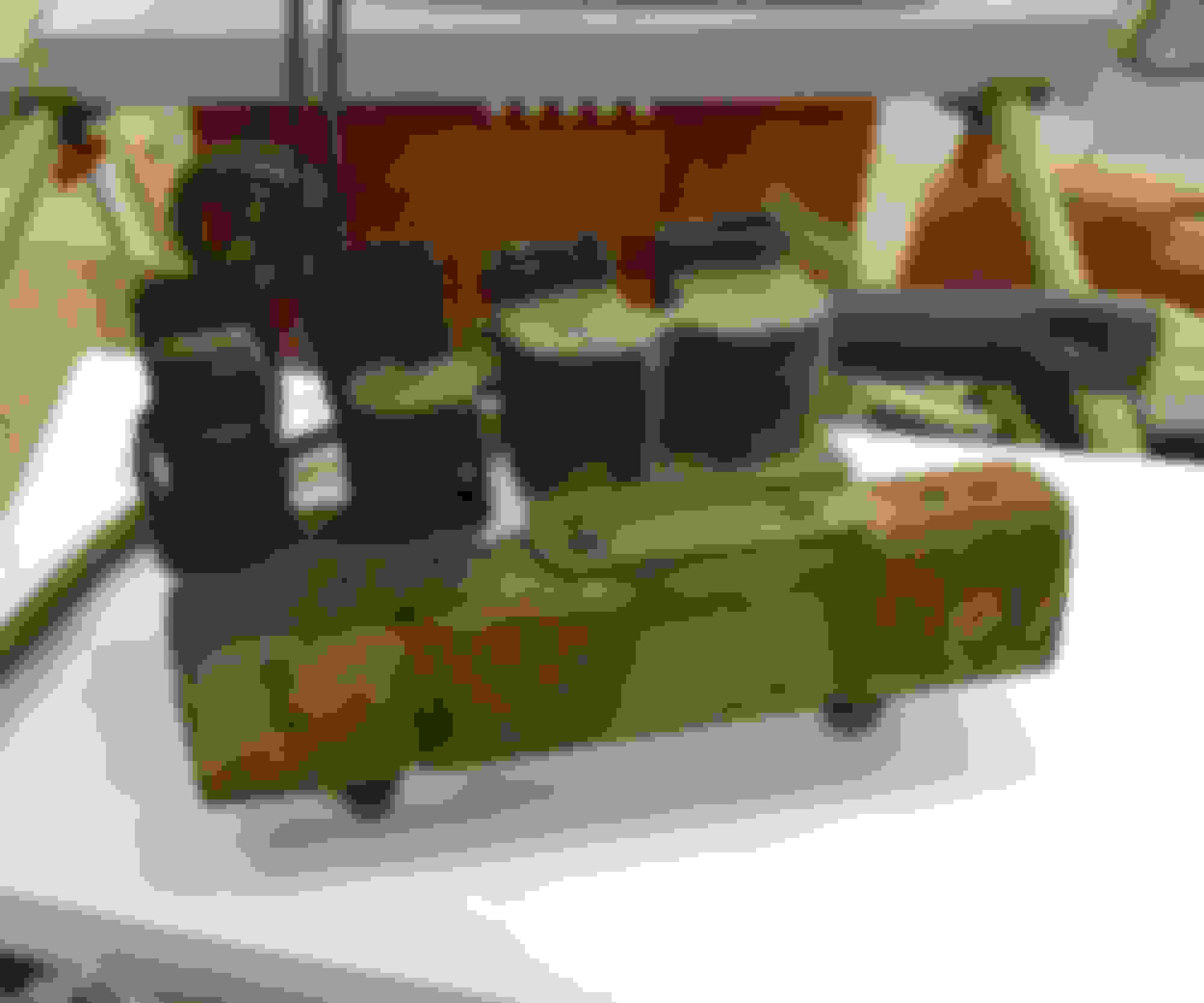
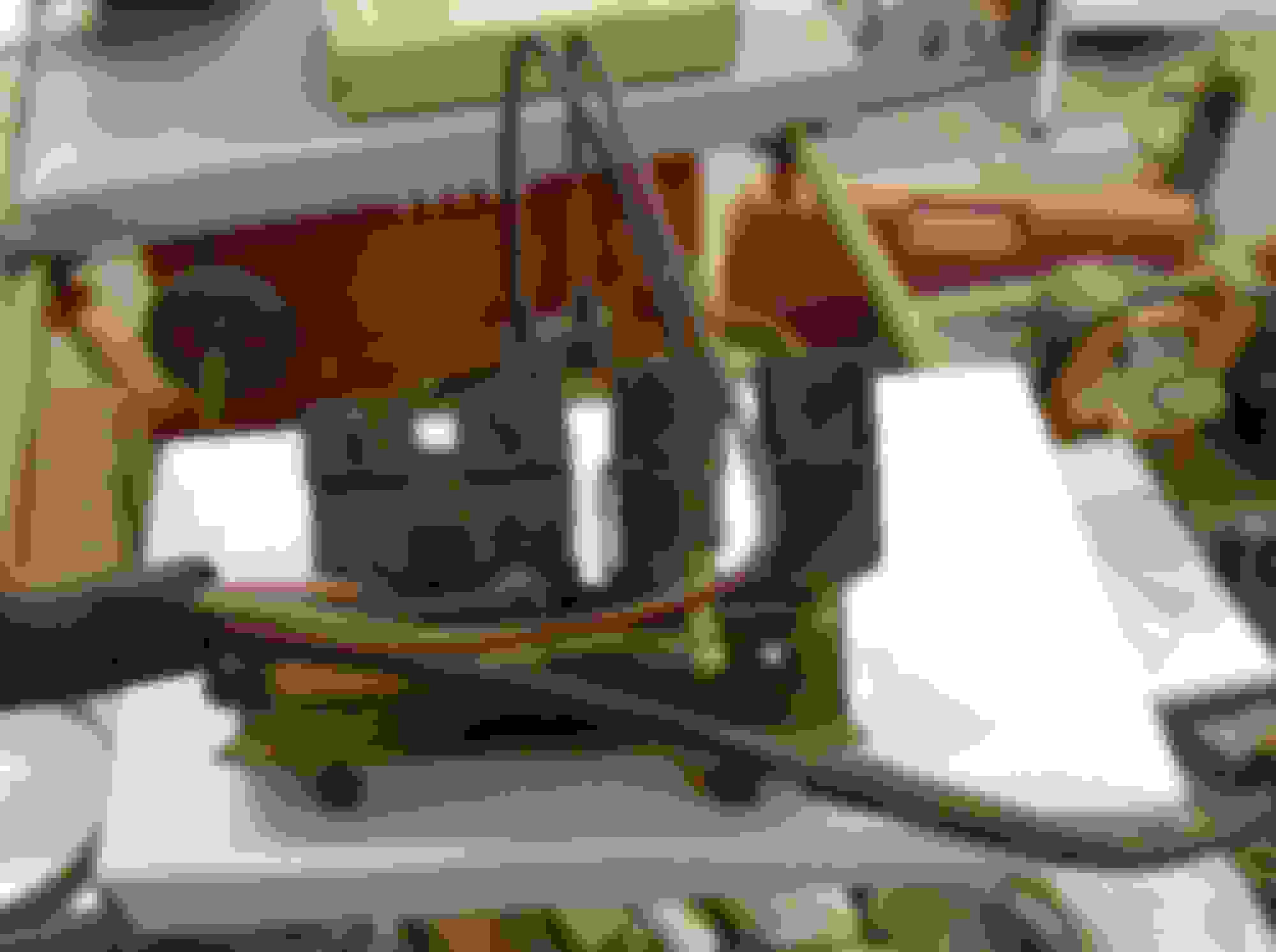
Steve is taking his apart next week when his replacement arrives, hopefully he will photograph it then. But for now;
1985 F-150 5.0L EFI Emissions Solenoid Assy.
Note, connectors are keyed differently.
The source vacuum manifold fits on the bottom 3 ports. The top ports feed the TAB, TAD & EGR devices.
First Photo; Left to Right; TABypass TADiverter EGRcontrol EGRvent
Last edited by vjsimone; Jul 26, 2016 at 08:55 PM.
Reason: Adding text
For those still not sure what this part of the thread is about, Vincent's pic's tell the story!
Steve
Originally Posted by vjsimone
Steve, I would use the reservoir you have, and just add the check valve to your red hose, available from your local auto parts, they are about $6.
Check the Black hose side of your reservoir with your vacuum gage after you install the check-valve into the Red hose side. You should get 15-20 -in. Hg.....
Great pics, Vince! I just saw these this morning for the first time by accident after I posted pics I found on the internet. Didn't get a notification. Was in the hospital yesterday and had surgery. Didn't get anything done on the truck and probably won't until they pull this catheter from me.
Steve
Originally Posted by vjsimone
Steve is taking his apart next week when his replacement arrives, hopefully he will photograph it then. But for now;
1985 F-150 5.0L EFI Emissions Solenoid Assy.
Note, connectors are keyed differently.
The source vacuum manifold fits on the bottom 3 ports. the top ports feeds the valves.
First Photo; Left to Right; TABypass TADiverter EGRcontrol EGRvent
I got tired of waiting for that part from China. It’s evidently still stuck at customs in New York. I rigged my own out of hose and plastic fittings. In the process, I also found a break in the line where the air pump's diverter hose connects to a 5 prong fitting where 5 different vacuum hoses converge; that fitting then has lines that run to the vacuum canister and solenoids. I fixed that and with the new rig I am getting a reading on the vacuum gauge of approx 18 Hg/45 Mg.
I pulled the codes. The 34 code is history! However, you may recall I was pulling a code 41. I am no longer pulling that code either. Instead, I am pulling a code 42, rich bank #1. The good news is there’s no other codes.
With regard to the #42 code, I am considering having the O2 sensor moved so that it incorporates both headers instead of just one. It is possible that registering only one side is causing the problem. That would also end up messing with my fuel mixture to a degree, right?
Originally Posted by vjsimone
The KOER Self-Test is looking for the idle to drop when it attempts to opened the EGR Valve, if the idle does not drop, this is one reason the ECA will throw a Code 34.
The 1987-1995 trucks have a heated (yours isn't heated) O2 sensor in a cross pipe where the two sides join in front of the catalytic converter. You could do that, but would need to add the heater circuit for it to function correctly.
On the vacuum valve set, I have a set of those, with the lines from the quick connect (also there) to the various pieces. No MAP sensor or reservoir though. The green line for the EGR had a crack and was repaired.
So simply moving the O2 sensor will not, it itself, correct the issue. Is the heated circuit another O2 sensor? If so, where would the electrical connection go?
[QUOTE=85lebaront2;16496058]The 1987-1995 trucks have a heated (yours isn't heated) O2 sensor in a cross pipe where the two sides join in front of the catalytic converter. You could do that, but would need to add the heater circuit for it to function correctly.
This Hennessey Takes the Expedition Tremor's Off-Roading Capability to the Next Level
Slideshow: The VelociRaptor Expedition gains a lift, upgraded suspension, Brembo brakes, and trail-ready equipment while retaining the stock 440-horsepower EcoBoost V6.
Rezvani's Latest Post-Apocalyptic Monster Is a Ford F-150 Raptor Underneath
Slideshow: Called the Fortress, the 850-horsepower pickup combines Raptor underpinnings with military-inspired features, survival equipment, and a starting price of $285,000.