
The Original Ford Taurus SHO: A Legend of 1980’s Innovation
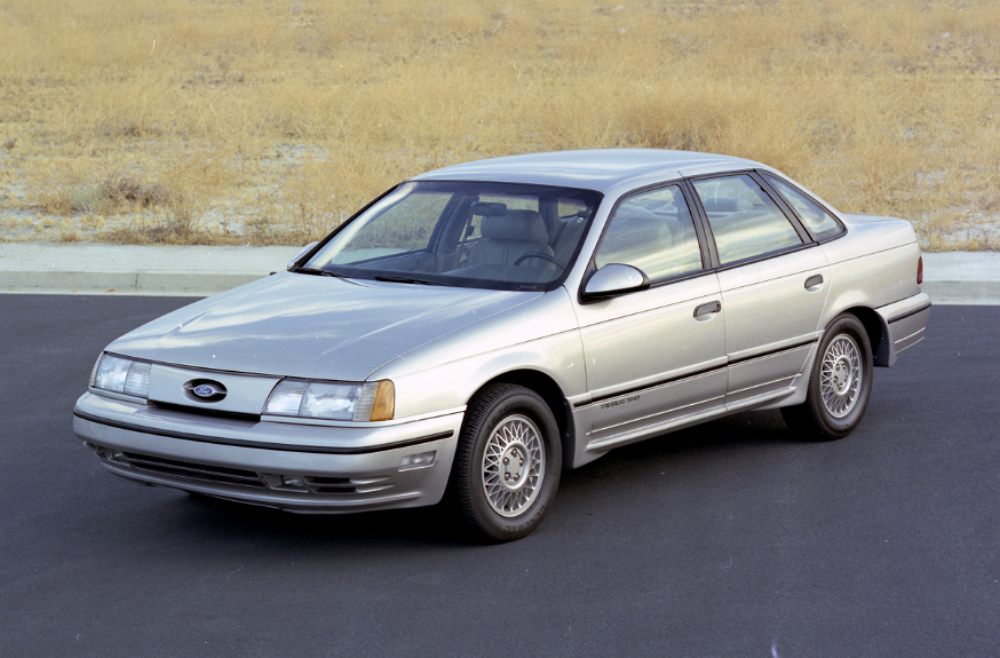
This once-revolutionary sports sedan was the most expensive project Ford had ever approved at the time. It also saved their company from collapse.
What does it take to be a true automotive legend? Well, according to Jason Cammisa, host of Revelations on the Hagerty YouTube channel, there are three standards that must be upheld.
“The original SHO, like every legend, has the right pedigree: a special engine, low production numbers, and a revolutionary design.” Yes, the first generation Ford Taurus SHO was that significant and unique of a vehicle. We are going to explain why.
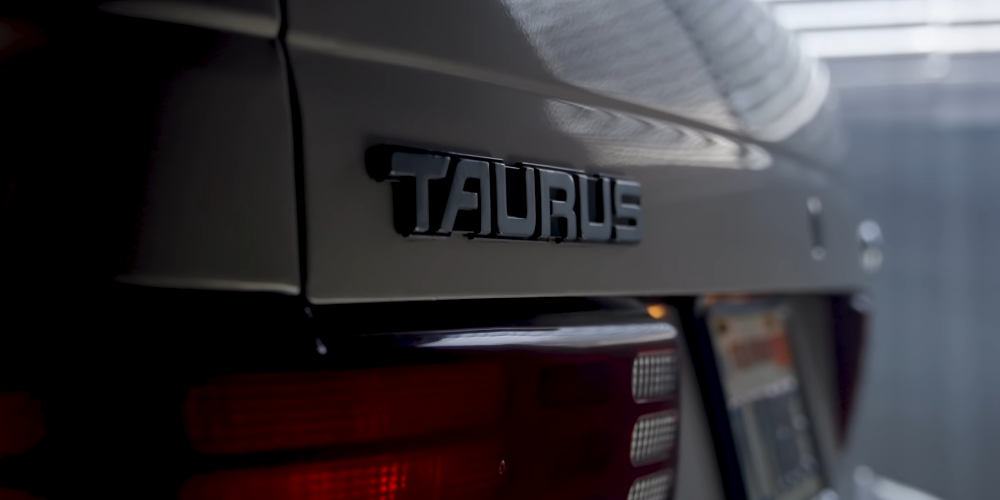
1980’s: Ford Bankruptcy on the Horizon
Cammisa begins the video by explaining, “what you’re about to see saved the Ford Motor Company from ruin.” This, although surprising, was entirely true at the time.
The century-old innovator was struggling to stay relevant with the emergence of imported vehicles in the U.S in the early 1980’s. They needed a solution that could change the outlook of the company entirely before it was too late.
To facilitate this solution, the company changed both the way it thought and worked- breaking decades of old tradition in the process.
A Timely Solution: the Family Sedan of the Future
Ford created a “Team Taurus”, a unit which emphasized on teamwork and communication as the central focus in the vehicle’s development. Ads featuring the car would state, “for all of us who will not compromise, Ford listened. Ford created Taurus for us.”
This project really was Ford’s only plan to save themselves. As a result, the majority of their financial resources were placed disproportionately into the Taurus. To be exact, this rang a total of about $3 billion dollars (around $7 billion today when adjusted for inflation).
For reference, that amount is Ford’s entire annual R&D budget- put into one vehicle. Usually they say don’t put all your eggs in one basket, but this time it worked.
1986 – the Year Everything Changed
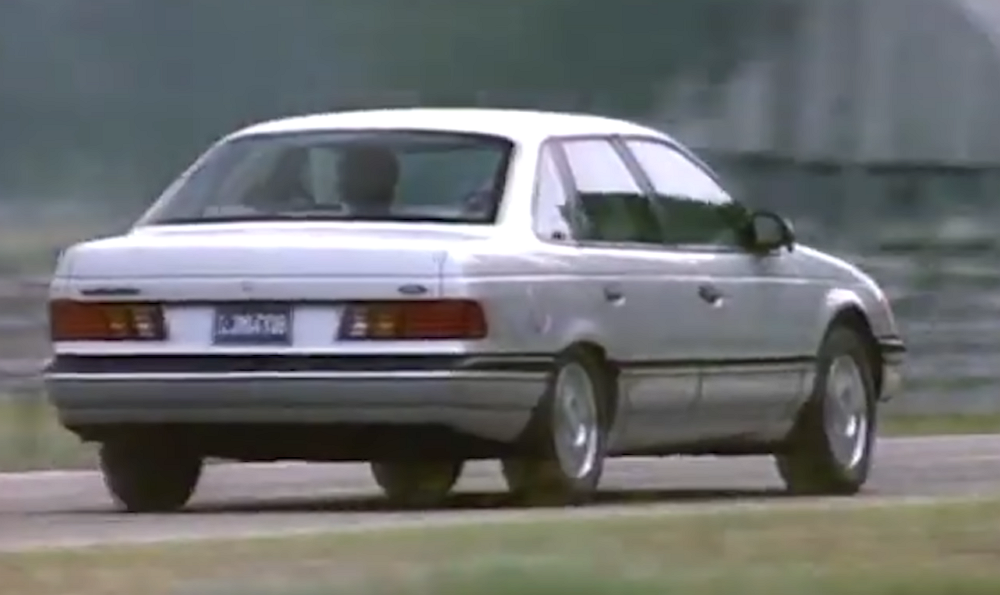
When the Taurus finally launched 1986, it was immediately met with praise from both auto journalists and consumers alike. The car wasn’t just successful, it was a landmark moment for Ford Motor Company.
Cammisa states, “Ford couldn’t keep up with the demand for the Taurus. It’s success didn’t just save Ford from bankruptcy, the Taurus became the best selling car in the country.”
A smash hit, the sedan averaged almost 400,000 units a year, within over two million sold in the first generation. Nobody had ever seen anything like the Taurus.
Considered a “spaceship” by many, there were distinct interior and exterior features that separated the Taurus from its counterparts.
Aerodynamic Design and Details that Counted
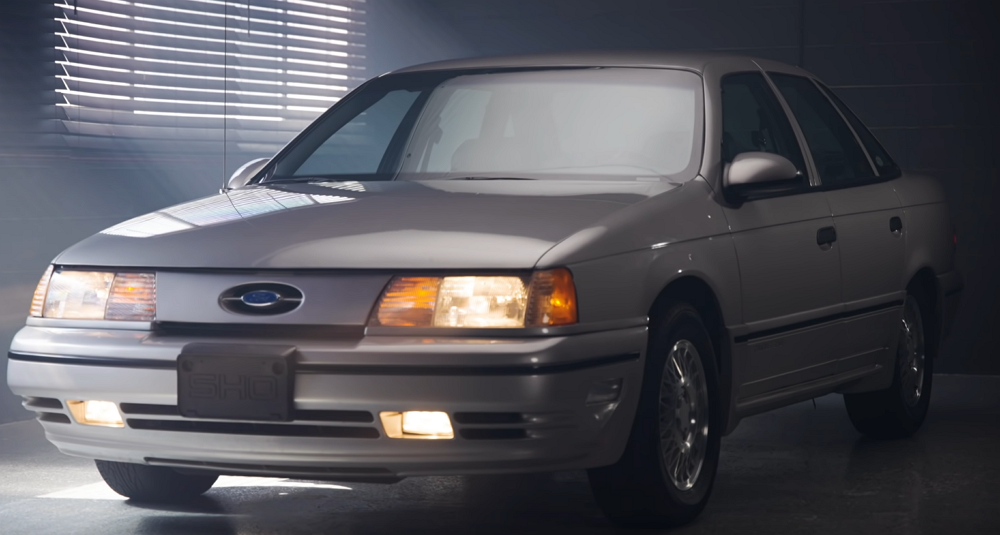
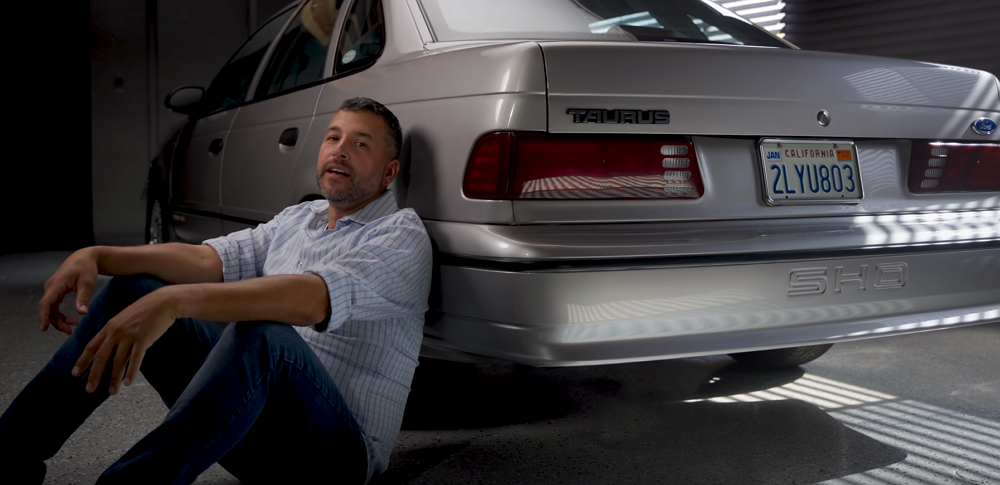
The Taurus was unique in several ways. The car featured no grill, the windows were all bonded flush, as were the doors, headlights, and most of the body work.
Commonly referred to as a “jelly bean” design, this emphasis on aerodynamics and fuel economy would start a general ideological shift in the design of American vehicles.
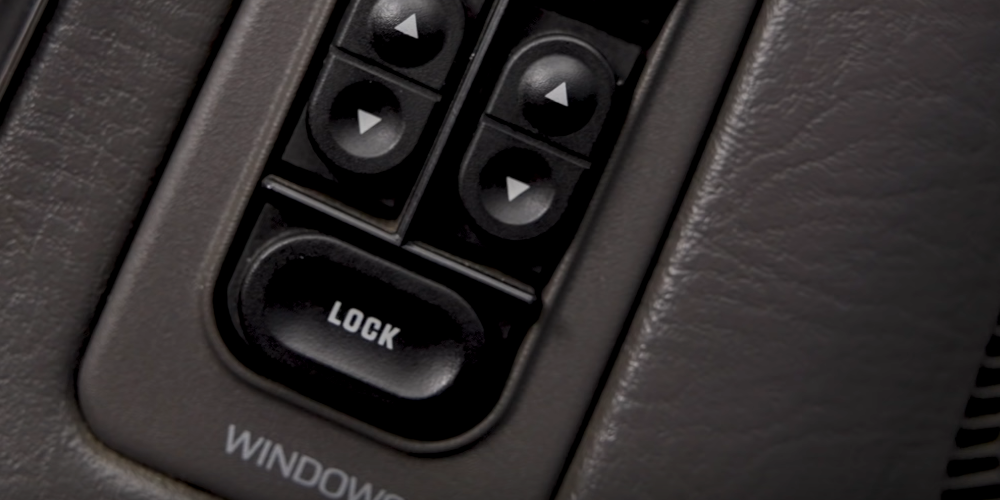
The interior was also undeniably user-friendly. Every button and panel was labeled and each control was to be uniquely identifiable, simply by touch.
However, there was one major feature of the Taurus that was holding it back from true greatness: the lackluster 3.0L “all-new” Vulcan V6, which only pushed a measly 140 HP.

The SHO (Super High Output) V6 Engine
To call the Vulcan V6 archaic would be a complement. The cylinder head and block were both iron and it utilized dated push-rod technology. It seems Ford simply didn’t have the time nor resources to create an innovative chassis and engine simultaneously.
To rectify this issue, Ford enlisted Yamaha, who redesigned the V6 from the ground up. They started by creating aluminum DOHC heads and a reinforced bottom end, leading to a serious change in character.
“80 more horsepower from the same displacement. Think about that. That’s 60% more power that Ford simply left on the table. By the way, 25% more torque too. The Shogun revved 2,000 RPM past the Vulcan’s 5,700 RPM redline.”
The characteristically aesthetic intake runners gave a touch of beauty to the engine bay whilst being purely functional. Two runners per cylinder, one short and one long, would actuate according the corresponding ideal airflow amount per RPM.

The Enthusiast Choice is Sometimes the Least Popular
So you’d think that because the Taurus was crushing sales and the fact that the SHO model fixed the only shortcoming the vehicle had, it would sell like hot cakes. However, it didn’t.
When initial released in 1989, the SHO would only be offered with a 5-speed manual. Sales were about 15,500 during that year.
When the SHO got a facelift in 1993, the engine received a slight torque bump of 15 ft/lbs thanks to an extra 0.2 L of displacement. This upgrade also brought along an automatic transmission. This would push sales to an all-time high of 20,000 units that year.
However, “only two in every 100 people chose the fast one” and sales would dwindle year after year until the end of the production in 1995.
The fastest FWD Car in Production
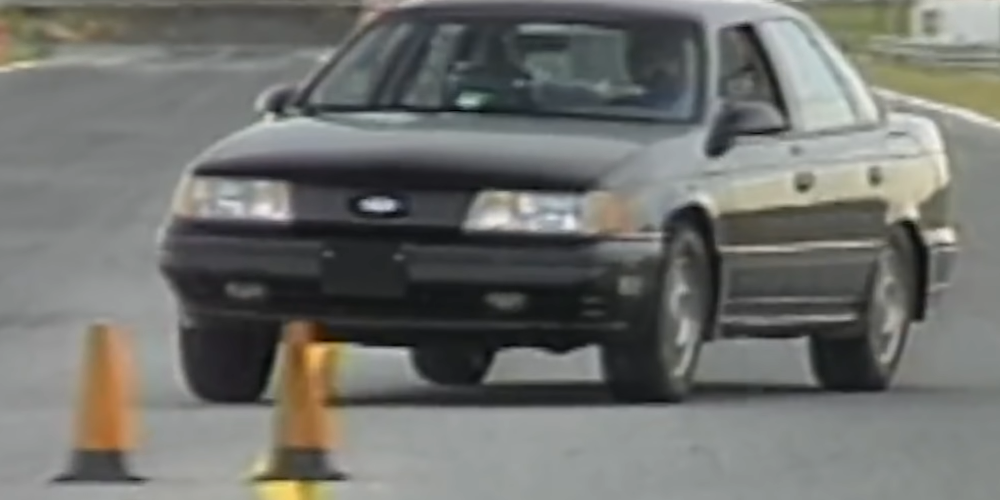
The SHO upgrade dropped 0-to-60 times from 13.5 secs to 6.6 secs, almost twice as fast as the base model. Cammisa stated that back then, “besides the BMW M5 and 750iL, the SHO was the quickest and fastest sedan you could buy.”
It was only one miles-per-hour slower in the quarter-mile than Ferrari’s V8-powered 4 seater at the time, the Mondial T. Not to mention, it also was capable of matching the Ferrari on the skid pad as well. What about the Germans, you ask? The SHO destroyed the benchmark BMW E30 325i during a a sports sedan comparison- dominating in acceleration, top speed, slalom, and skid pad times.
So why was nobody buying them if they were as good as we say they were? Well, the SHO would essentially suffer from success.

What Happens When Sleepers Sleep for Too Long?
At the end of the day, the SHO was still just a Taurus. Cammisa states, “Would you buy one? No. Because there are 600 of them in the parking lot all driven by Lululemon-wearing mommies who go, This is the perfect car for my kids.”
“The only thing wrong with it is that it is a victim of the almost incomprehensible success of the regular Taurus. So it looks like every other jellybean on the road- unless you know what you’re looking for.”
The Taurus was simply too popular, both a blessing and a curse. The future reiterations of the SHO would be nothing comparable the original. The vehicle truly was a historic landmark in Ford’s history as a company and its importance will not be forgotten.


You must be logged in to post a comment.