





Is there an additive that cleans the DPF?

Thread Starter
|
Mountain Pass
Joined: Aug 2018
Posts: 208
Likes: 34
Is there an additive that cleans the DPF?
Has anybody discovered a DPF cleaner that goes in the fuel or DEF tanks that actually works? I can take it to a specialty shop and pay >$1k for a real cleaning but wish to find something more accessible and doesn’t keep my truck down and out for any length of time. It seems only the Euros have access to DPF in-tank cleaners and I wonder how much of it is snake oil.
Truck has 67k on the clock. I’m not highway driving like I used to. It goes into regen more than I like. No, I’m not trading it on a gasser.
Thanks in advance.
Truck has 67k on the clock. I’m not highway driving like I used to. It goes into regen more than I like. No, I’m not trading it on a gasser.
Thanks in advance.
Cargo Master
Joined: Oct 2015
Posts: 2,745
Likes: 72
From: West Virginia
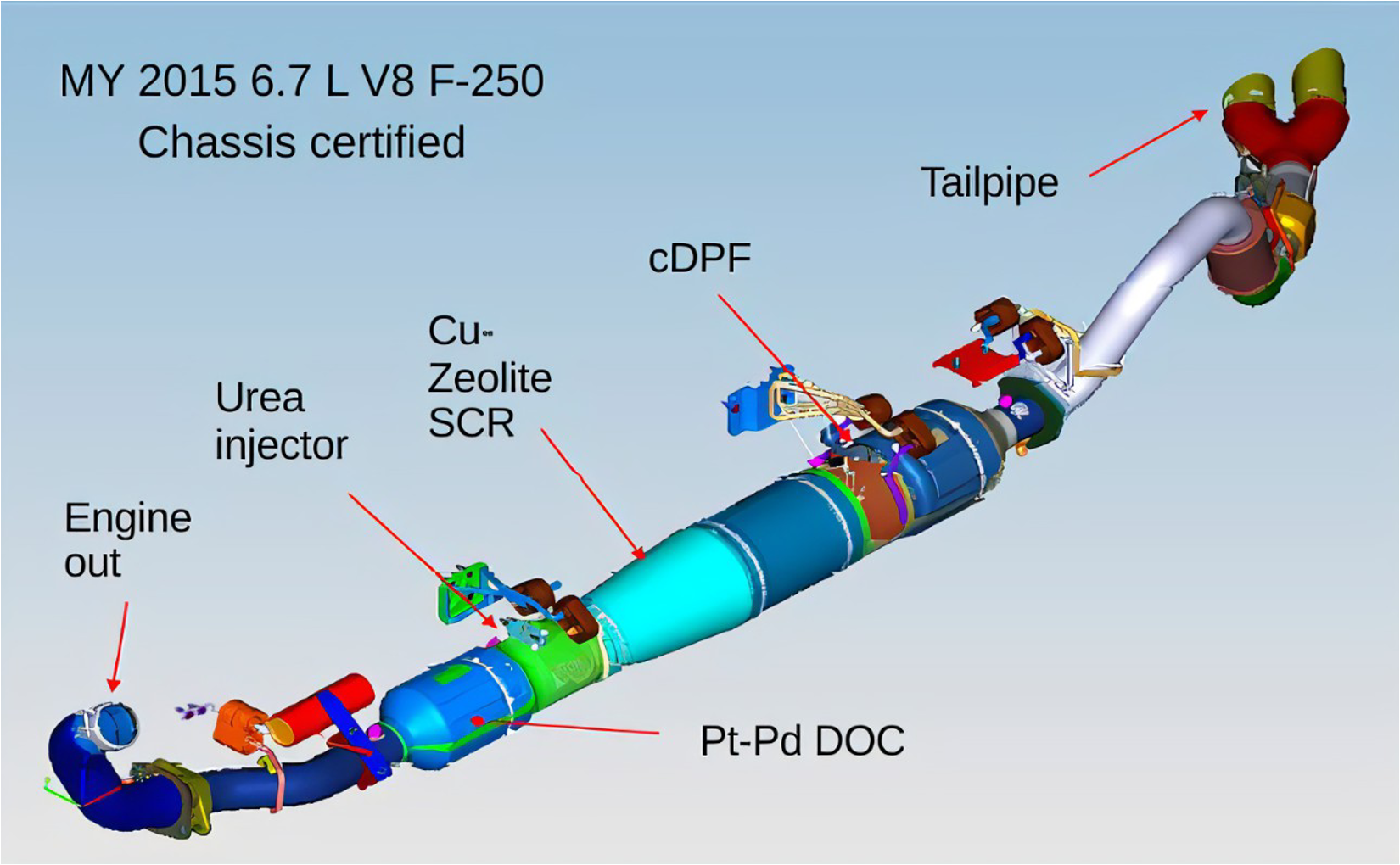
Since DEF is injected after the DPF nothing added to that is going to do any good. Additionally, I'd be hesitant to add anything to my DEF system.
The DPF is intended to remove/reduce particulate matter - soot - using very high heat so it seems to me the only way to reduce the need for that is to reduce the amount of soot produced by the combustion process and the only way to do that (without a lot of driving) would be to increase the burning efficiency of the fuel.
This leads me to two things:
1. Only use top tier fuel.
2. Cetane booster.
Now how dramatic a difference those two might make would be pure speculation on my part.
The DPF is intended to remove/reduce particulate matter - soot - using very high heat so it seems to me the only way to reduce the need for that is to reduce the amount of soot produced by the combustion process and the only way to do that (without a lot of driving) would be to increase the burning efficiency of the fuel.
This leads me to two things:
1. Only use top tier fuel.
2. Cetane booster.
Now how dramatic a difference those two might make would be pure speculation on my part.

Lead Driver


Joined: Feb 2022
Posts: 7,975
Likes: 4,055
Since DEF is injected after the DPF nothing added to that is going to do any good. Additionally, I'd be hesitant to add anything to my DEF system.
The DPF is intended to remove/reduce particulate matter - soot - using very high heat so it seems to me the only way to reduce the need for that is to reduce the amount of soot produced by the combustion process and the only way to do that (without a lot of driving) would be to increase the burning efficiency of the fuel.
This leads me to two things:
1. Only use top tier fuel.
2. Cetane booster.
Now how dramatic a difference those two might make would be pure speculation on my part.
The DPF is intended to remove/reduce particulate matter - soot - using very high heat so it seems to me the only way to reduce the need for that is to reduce the amount of soot produced by the combustion process and the only way to do that (without a lot of driving) would be to increase the burning efficiency of the fuel.
This leads me to two things:
1. Only use top tier fuel.
2. Cetane booster.
Now how dramatic a difference those two might make would be pure speculation on my part.
Anyway, here is something you might want to look into.
https://rislone.com/blog/fuel-system...-cleaner-ever/
Snake oil? Don't know, just found it myself.

FTE Leadership Emeritus


Joined: Sep 2000
Posts: 23,174
Likes: 1,678
From: Stephensville WI

There are dozens of DPF cleaning videos on YouTube. The majority of them that I have watched are from Europe. They have a lot of diesel powered passenger cars running around the cities, the DPF never gets a chance to get hot enough to properly regen, so they get good at cleaning the DPFs.
Super Moderator

Joined: Aug 2008
Posts: 37,384
Likes: 1,867
From: Frederick, MD
Napa sells some additives for the DPF, made by Lucas. You would have to ask for it as most likely won't be on the shelf.
Run it hard and hot is the best method.
Run it hard and hot is the best method.
Trending Topics
Hotshot

Joined: Oct 2015
Posts: 19,707
Likes: 12,846
From: Wyoming
I use Better Diesel Fuel Burn Catalyst. Most of my regens are at the 500 mile mark and they are finished fairly quick. Here's a thread from the 6.7L subforum on that product.
https://www.ford-trucks.com/forums/1...xperience.html
https://www.ford-trucks.com/forums/1...xperience.html
FTE Stories
Ford Trucks for Ford Truck Enthusiasts

3 Best / 3 Worst Parts of Modern Ford Ownership
Brett Foote
10 Amazing Upgrades That Solve Common Ford Truck Owner Headaches
Pouria Savadkouei
Every 2026 Ford Engine Explained
Brett Foote
10 Ugly Ford Trucks That We Still Kinda Love
Joe Kucinski
10 Things Every Truck Owner NEEDS (2026 Edition)
Michael S. Palmer
Rezvani's Latest Post-Apocalyptic Monster Is a Ford F-150 Raptor Underneath
Verdad Gallardo
Top 10 Most Expensive Ford Trucks Ever Sold on Bring a Trailer
Joe Kucinski
2027 Ford Super Duty Buyer's Guide (Every Model, Engine, & Package)
Brett Foote
Top 10 Ford Truck Tragedies
Joe Kucinski
Cargo Master


Joined: Oct 2019
Posts: 2,842
Likes: 1,196
From: Southeast MO
I use Better Diesel Fuel Burn Catalyst. Most of my regens are at the 500 mile mark and they are finished fairly quick. Here's a thread from the 6.7L subforum on that product.
https://www.ford-trucks.com/forums/1...xperience.html
https://www.ford-trucks.com/forums/1...xperience.html
Hotshot
Joined: Oct 2015
Posts: 19,707
Likes: 12,846
From: Wyoming
While I don't understand the concept of the DPF and how Ford calculates the DPF % full, it seems that the earlier models are more pessimistic and the newer models are more optimistic. It doesn't mean that the DPF isn't filling up though. I would rather pay a few bucks for a bottle of this stuff than have to replace the DPF. How you drive/use the truck can have a significant impact on the life of the DPF.
Hotshot


Joined: Jul 2013
Posts: 14,292
Likes: 2,197
When ever it rains cats and dogs I take the truck for a good drive.
when I get back, there’s some grainy ash at the 6:00 position of the exhaust tips.
my theory is the the rain helps steam clean the exhuast.
just a theory.
when I get back, there’s some grainy ash at the 6:00 position of the exhaust tips.
my theory is the the rain helps steam clean the exhuast.
just a theory.
Thread Starter
|
Mountain Pass
Joined: Aug 2018
Posts: 208
Likes: 34
when I bought it, I was pulling often. Nowadays, I do short trips and Dad Taxi work with little time at speed. Within two days of a weekend where I’d “blow it out,” daily driving in the burns makes it want to run a regen in Park. It’s a pain in the butt and a constant area of concern. I want fewer regents and am darn near ready to delete it if I can find a good shop to do it anymore. I can’t afford to replace the truck right now, so screw Biden.
Cargo Master
Joined: Oct 2019
Posts: 2,842
Likes: 1,196
From: Southeast MO
when I bought it, I was pulling often. Nowadays, I do short trips and Dad Taxi work with little time at speed. Within two days of a weekend where I’d “blow it out,” daily driving in the burns makes it want to run a regen in Park. It’s a pain in the butt and a constant area of concern. I want fewer regents and am darn near ready to delete it if I can find a good shop to do it anymore. I can’t afford to replace the truck right now, so screw Biden.
Get Forscan, activate OCR and auto-regen inhibit and run your regen in your driveway. Then deactivate the auto-regen option and drive until your DPF reaches 100% then repeat.
Lead Driver
Joined: Feb 2022
Posts: 7,975
Likes: 4,055
I do manual regen when the distance driven is over 35 miles as it takes about 32 miles to do a full regen @ 60MPH. Just completed one yesterday. I use iDash to monitor the DPF levels, and wait until the dash says to regen then switch it on when either leaving for work or from work to home which is 60 miles one way. I figure this is better then short partial regens when it kicks on 5 miles from home.
Cargo Master
Joined: Oct 2015
Posts: 2,745
Likes: 72
From: West Virginia
While I don't understand the concept of the DPF and how Ford calculates the DPF % full, it seems that the earlier models are more pessimistic and the newer models are more optimistic. It doesn't mean that the DPF isn't filling up though. I would rather pay a few bucks for a bottle of this stuff than have to replace the DPF. How you drive/use the truck can have a significant impact on the life of the DPF.
So a single pressure sensor on the intake side of the screen vs. a pressure sensor on each side of the screen.

Thread
Thread Starter
Forum
Replies
Last Post
gatorshooter
1999 - 2003 7.3L Power Stroke Diesel
11
Sep 1, 2008 05:26 PM
Indiana-red4x4
2004 - 2008 F150
5
Feb 2, 2006 05:04 PM