


good idea ?? bad idea?? (exhaust brake)

Postmaster
Joined: Jul 2006
Posts: 4,993
Likes: 2
From: Bend, OR
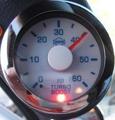
And in testing the highest back pressure I ever saw using the EBPV as a brake was 55-60psi... This was loaded at about 20k GVW and down a 6% grade at 65mph, 2400RPM's...
real life guys...

Post Fiend
Joined: Sep 2003
Posts: 6,096
Likes: 26
From: Mesa AZ

The EBPV mod has worked well for me. I've been using it for the last 140k miles or so and it does a great job. It may not offer as much braking effect as aftermarket units, but it does what I need. You will need some way to lock the torque converter though.
I also have the Tugger Kit in my transmission. The instructions said to use 1st or 2nd gear only when the engine brake is activated. There was a specific warning NOT to use the engine brake in 3rd gear (D with OD turned off). I am not sure if this applies to un-modified transmission as well but I thought I'd mention it so you were aware there are potential issues with automatic transmissions when using an engine brake.
Hope this helps.
I also have the Tugger Kit in my transmission. The instructions said to use 1st or 2nd gear only when the engine brake is activated. There was a specific warning NOT to use the engine brake in 3rd gear (D with OD turned off). I am not sure if this applies to un-modified transmission as well but I thought I'd mention it so you were aware there are potential issues with automatic transmissions when using an engine brake.
Hope this helps.
Thread Starter
|
Post Fiend
Joined: Jun 2006
Posts: 9,714
Likes: 2
From: White Mnt's,New Hampshire
Quote:
<TABLE border=0 cellSpacing=0 cellPadding=6 width="100%"><TBODY><TR><TD style="BORDER-BOTTOM: 1px inset; BORDER-LEFT: 1px inset; BORDER-TOP: 1px inset; BORDER-RIGHT: 1px inset" class=alt2>Originally Posted by Rockrunner86
I am not a big fan of exhaust brakes on our trucks. With such weak exhaust valve springs already it doesn't take much drive pressure to blow open a exhaust valve.
</TD></TR></TBODY></TABLE>
I agree completely. That is one of the two reasons we don't do exhaust brake tunes. The biggest concern is specifically with automatics burning out the coast clutch, which of course is not a problem with a manual trans.
As you noted, the other concern is the possibility of floating an exhaust valve during brake operation. This is quoted from a post I made elsewhere:
Quote:
<TABLE border=0 cellSpacing=0 cellPadding=6 width="100%"><TBODY><TR><TD style="BORDER-BOTTOM: 1px inset; BORDER-LEFT: 1px inset; BORDER-TOP: 1px inset; BORDER-RIGHT: 1px inset" class=alt2>Originally Posted by PowerHungry
First, in order to transfer the energy of the moving vehicle to the engine during deceleration, two things must occur: the torque converter must remain locked, and the coast clutch must be engaged. The problem with this is that the coast clutch on a stock transmission only has 3 friction plates, and these are smaller than the standard forward clutches. On 2001 and later transmissions, you also run the possibility of damaging the intermediate sprag or "diode" which will result in an immediate transmission teardown. Again, lightly loaded vehicles would have less of a problem with this, but the general idea of an exhaust brake is to be able to slow larger loads without overheating the standard brake system. It is these types of loads that can cause transmission damage. Obviously, a manual transmission would be free from these types of situations.
Second, whenever you increase exhaust backpressure you need to make sure that the exhaust valve springs are capable of preventing the pressure in the exhaust system from lifting the exhaust valve from the valve seat as this would result in a collision with the piston. Normal valve spring seat pressure is 70-75 <ACRONYM title="lbs per sq inch">PSI</ACRONYM> for NEW valve springs and deteriorates from there. Given that the surface area of the back of the exhaust valve is approximately 1.9 square inches, it would take only 40 <ACRONYM title="lbs per sq inch">PSI</ACRONYM> of exhaust pressure to lift the valve off the seat, even with new valve springs.
To put it simply, if you plan to use an exhaust brake, either through the use of the EBV or by purchasing an aftermarket stand alone unit, you will need to consider the condition of your transmission and exhaust valve springs in order to ensure safe, reliable operation.
</TD></TR></TBODY></TABLE>
Just some thoughts.
<!-- / message --><!-- sig -->__________________
Bill Cohron - (678) 963-9913
if i know you Joe....you had new stiffer valve springs in your truck and new stiffer springs help keep the exhaust PSI down...
<TABLE border=0 cellSpacing=0 cellPadding=6 width="100%"><TBODY><TR><TD style="BORDER-BOTTOM: 1px inset; BORDER-LEFT: 1px inset; BORDER-TOP: 1px inset; BORDER-RIGHT: 1px inset" class=alt2>Originally Posted by Rockrunner86
I am not a big fan of exhaust brakes on our trucks. With such weak exhaust valve springs already it doesn't take much drive pressure to blow open a exhaust valve.
</TD></TR></TBODY></TABLE>
I agree completely. That is one of the two reasons we don't do exhaust brake tunes. The biggest concern is specifically with automatics burning out the coast clutch, which of course is not a problem with a manual trans.
As you noted, the other concern is the possibility of floating an exhaust valve during brake operation. This is quoted from a post I made elsewhere:
Quote:
<TABLE border=0 cellSpacing=0 cellPadding=6 width="100%"><TBODY><TR><TD style="BORDER-BOTTOM: 1px inset; BORDER-LEFT: 1px inset; BORDER-TOP: 1px inset; BORDER-RIGHT: 1px inset" class=alt2>Originally Posted by PowerHungry
First, in order to transfer the energy of the moving vehicle to the engine during deceleration, two things must occur: the torque converter must remain locked, and the coast clutch must be engaged. The problem with this is that the coast clutch on a stock transmission only has 3 friction plates, and these are smaller than the standard forward clutches. On 2001 and later transmissions, you also run the possibility of damaging the intermediate sprag or "diode" which will result in an immediate transmission teardown. Again, lightly loaded vehicles would have less of a problem with this, but the general idea of an exhaust brake is to be able to slow larger loads without overheating the standard brake system. It is these types of loads that can cause transmission damage. Obviously, a manual transmission would be free from these types of situations.
Second, whenever you increase exhaust backpressure you need to make sure that the exhaust valve springs are capable of preventing the pressure in the exhaust system from lifting the exhaust valve from the valve seat as this would result in a collision with the piston. Normal valve spring seat pressure is 70-75 <ACRONYM title="lbs per sq inch">PSI</ACRONYM> for NEW valve springs and deteriorates from there. Given that the surface area of the back of the exhaust valve is approximately 1.9 square inches, it would take only 40 <ACRONYM title="lbs per sq inch">PSI</ACRONYM> of exhaust pressure to lift the valve off the seat, even with new valve springs.
To put it simply, if you plan to use an exhaust brake, either through the use of the EBV or by purchasing an aftermarket stand alone unit, you will need to consider the condition of your transmission and exhaust valve springs in order to ensure safe, reliable operation.
</TD></TR></TBODY></TABLE>
Just some thoughts.
<!-- / message --><!-- sig -->__________________
Bill Cohron - (678) 963-9913
if i know you Joe....you had new stiffer valve springs in your truck and new stiffer springs help keep the exhaust PSI down...
Posting Guru
Joined: Sep 2004
Posts: 1,616
Likes: 3
From: Sapulpa OK

I have a manual trans and I have used my exhaust brake (using the EBPV) for over 200K miles. Where I live we have many mountain grades, some as much as 15% for 10 miles. I have had it engaged for several minutes and I have had no oil leaks or valve float whatsoever. No other problems associated with the exhaust brake either.
Postmaster
Joined: Jul 2006
Posts: 4,993
Likes: 2
From: Bend, OR
Quote:
<TABLE border=0 cellSpacing=0 cellPadding=6 width="100%"><TBODY><TR><TD style="BORDER-BOTTOM: 1px inset; BORDER-LEFT: 1px inset; BORDER-TOP: 1px inset; BORDER-RIGHT: 1px inset" class=alt2>Originally Posted by Rockrunner86
I am not a big fan of exhaust brakes on our trucks. With such weak exhaust valve springs already it doesn't take much drive pressure to blow open a exhaust valve.
</TD></TR></TBODY></TABLE>
I agree completely. That is one of the two reasons we don't do exhaust brake tunes. The biggest concern is specifically with automatics burning out the coast clutch, which of course is not a problem with a manual trans.
As you noted, the other concern is the possibility of floating an exhaust valve during brake operation. This is quoted from a post I made elsewhere:
Quote:
<TABLE border=0 cellSpacing=0 cellPadding=6 width="100%"><TBODY><TR><TD style="BORDER-BOTTOM: 1px inset; BORDER-LEFT: 1px inset; BORDER-TOP: 1px inset; BORDER-RIGHT: 1px inset" class=alt2>Originally Posted by PowerHungry
First, in order to transfer the energy of the moving vehicle to the engine during deceleration, two things must occur: the torque converter must remain locked, and the coast clutch must be engaged. The problem with this is that the coast clutch on a stock transmission only has 3 friction plates, and these are smaller than the standard forward clutches. On 2001 and later transmissions, you also run the possibility of damaging the intermediate sprag or "diode" which will result in an immediate transmission teardown. Again, lightly loaded vehicles would have less of a problem with this, but the general idea of an exhaust brake is to be able to slow larger loads without overheating the standard brake system. It is these types of loads that can cause transmission damage. Obviously, a manual transmission would be free from these types of situations.
Second, whenever you increase exhaust backpressure you need to make sure that the exhaust valve springs are capable of preventing the pressure in the exhaust system from lifting the exhaust valve from the valve seat as this would result in a collision with the piston. Normal valve spring seat pressure is 70-75 <ACRONYM title="lbs per sq inch">PSI</ACRONYM> for NEW valve springs and deteriorates from there. Given that the surface area of the back of the exhaust valve is approximately 1.9 square inches, it would take only 40 <ACRONYM title="lbs per sq inch">PSI</ACRONYM> of exhaust pressure to lift the valve off the seat, even with new valve springs.
To put it simply, if you plan to use an exhaust brake, either through the use of the EBV or by purchasing an aftermarket stand alone unit, you will need to consider the condition of your transmission and exhaust valve springs in order to ensure safe, reliable operation.
</TD></TR></TBODY></TABLE>
Just some thoughts.
<!-- / message --><!-- sig -->__________________
Bill Cohron - (678) 963-9913
if i know you Joe....you had new stiffer valve springs in your truck and new stiffer springs help keep the exhaust PSI down...
<TABLE border=0 cellSpacing=0 cellPadding=6 width="100%"><TBODY><TR><TD style="BORDER-BOTTOM: 1px inset; BORDER-LEFT: 1px inset; BORDER-TOP: 1px inset; BORDER-RIGHT: 1px inset" class=alt2>Originally Posted by Rockrunner86
I am not a big fan of exhaust brakes on our trucks. With such weak exhaust valve springs already it doesn't take much drive pressure to blow open a exhaust valve.
</TD></TR></TBODY></TABLE>
I agree completely. That is one of the two reasons we don't do exhaust brake tunes. The biggest concern is specifically with automatics burning out the coast clutch, which of course is not a problem with a manual trans.
As you noted, the other concern is the possibility of floating an exhaust valve during brake operation. This is quoted from a post I made elsewhere:
Quote:
<TABLE border=0 cellSpacing=0 cellPadding=6 width="100%"><TBODY><TR><TD style="BORDER-BOTTOM: 1px inset; BORDER-LEFT: 1px inset; BORDER-TOP: 1px inset; BORDER-RIGHT: 1px inset" class=alt2>Originally Posted by PowerHungry
First, in order to transfer the energy of the moving vehicle to the engine during deceleration, two things must occur: the torque converter must remain locked, and the coast clutch must be engaged. The problem with this is that the coast clutch on a stock transmission only has 3 friction plates, and these are smaller than the standard forward clutches. On 2001 and later transmissions, you also run the possibility of damaging the intermediate sprag or "diode" which will result in an immediate transmission teardown. Again, lightly loaded vehicles would have less of a problem with this, but the general idea of an exhaust brake is to be able to slow larger loads without overheating the standard brake system. It is these types of loads that can cause transmission damage. Obviously, a manual transmission would be free from these types of situations.
Second, whenever you increase exhaust backpressure you need to make sure that the exhaust valve springs are capable of preventing the pressure in the exhaust system from lifting the exhaust valve from the valve seat as this would result in a collision with the piston. Normal valve spring seat pressure is 70-75 <ACRONYM title="lbs per sq inch">PSI</ACRONYM> for NEW valve springs and deteriorates from there. Given that the surface area of the back of the exhaust valve is approximately 1.9 square inches, it would take only 40 <ACRONYM title="lbs per sq inch">PSI</ACRONYM> of exhaust pressure to lift the valve off the seat, even with new valve springs.
To put it simply, if you plan to use an exhaust brake, either through the use of the EBV or by purchasing an aftermarket stand alone unit, you will need to consider the condition of your transmission and exhaust valve springs in order to ensure safe, reliable operation.
</TD></TR></TBODY></TABLE>
Just some thoughts.
<!-- / message --><!-- sig -->__________________
Bill Cohron - (678) 963-9913
if i know you Joe....you had new stiffer valve springs in your truck and new stiffer springs help keep the exhaust PSI down...
The EBPV will NOT make more the 40-45psi of back pressure. Period.
As far as the tranny goes, you have to be smart. There is little if any braking effect below 1800rpm's, keep the RPM's at or above 2000 and the pump has enough pressure to keep the coast and lock up clutches tight.


Thread
Thread Starter
Forum
Replies
Last Post
KsHighboy
1967 - 1972 F-100 & Larger F-Series Trucks
20
Jan 10, 2018 03:48 PM
swellman
1987 - 1996 F150 & Larger F-Series Trucks
2
Jan 28, 2017 01:02 PM
dyhrdford
1999 - 2016 Super Duty
12
Jun 6, 2010 07:49 PM




