When you click on links to various merchants on this site and make a purchase, this can result in this site earning a commission. Affiliate programs and affiliations include, but are not limited to, the eBay Partner Network.
I think I had under $10 but that was in 1990 when I first did that.
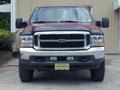
250 watts blazing down the road on high beams. It used to turn the
yard lights next door off on high beam. You know the little solar things.
I even went so far as to point the lights down so I would not burn out
any eyeballs on low. But anyone stupid enough to flash me had to have
on sunglasses. Low did not go down the road like high did.
Brite box was about 200 bucks to me up here in Canada. To open the BB I think I am going to have to cut it open with a hack saw. It's sealed together pretty tight. Glued I think.
Mike, since it's not working not much to loose. In a worst case, since it includes all the wires and connectors if you destroy the box you can use those along with relays and circuit breakers to build you own unit.
Mike, I've had my relays outside of a box for 15 years. Depending on how many parts you need, Waytek or Parts Express are reasonable. Well, down here they are. I just used standard fog light relays.
Brite box was about 200 bucks to me up here in Canada. To open the BB I think I am going to have to cut it open with a hack saw. It's sealed together pretty tight. Glued I think.
WOW!
$200 for That >>>
It's so simple just like we were thinking.One would of thought that
there would be a diode for each relay and I don't see one. Nothing
like spiking electronics.
The only thing I can say is someone made a bucket of money a few times over.
Mike, Jack is right about leaving the relays out in the open. You won't hurt them.
You could just glue the box back together with hot glue if you want the logo on it.
One thing I would do is add the diodes to the coils to handle the spike from the
collapsing field in the coils.
Both pages go into the why the diodes are used. One thing I just thought of was I am typing this is if there is a diode in the
Bright Box that I did not see in the 3 photos it could be the problem. Look at the wiring closer for some diodes and disconnect
then so you can test. Use you DMM on the Diode test range. I really just thought of this as I was typing. Funny what comes to the mind as
we are working of other things. Anyway I would take a closer look at the wiring and see if you can spot any diodes.
I am not seeing any diodes and took a quick look at the photos in the full page mode and still did not see any. So maybe my
bright idea is not so bright.
The 871 relay has a resistor across the coil. I found that from the data sheet.
Looks like the VF4 can have an external resistor if it needed.
I tacked on the data sheets for both relays. Mouser has the one and should really
have both I just did not look for the other one once I found the harder one to find. Mouser Electronics - Electronic Components Distributor
Thanks Yahiko. The data sheet is just what I needed. I could only find the one bigger relay. The 871 I could not find today, but I have a better place to go to on week days that might have it. Based on the number on the relay with the R1 this is the resister relay not the diode version. Would it be better to get the diode version if I can get it? I will print the sheet and bring it with me. I am thinking I will just hang the relays and wiring in the open instead of worrying about the box around it. It's going to be a bit of a trick to wire together, as the bridging wires, but I think I will just modify the ends of th wires with new clip on connectors so the wiring is better and it can be plugged and unplugged.
Well the fact that the Bright Box did use a resistor on the one relay
telles me that they were thinking about it.
It's all about best practice.
Now when not dealing with a fully electronic control like with the
newer "Smart Junction Box" I think you can get away with it.
But the newer puppy most likely would be unhappy without one.
This Hennessey Takes the Expedition Tremor's Off-Roading Capability to the Next Level
Slideshow: The VelociRaptor Expedition gains a lift, upgraded suspension, Brembo brakes, and trail-ready equipment while retaining the stock 440-horsepower EcoBoost V6.
Rezvani's Latest Post-Apocalyptic Monster Is a Ford F-150 Raptor Underneath
Slideshow: Called the Fortress, the 850-horsepower pickup combines Raptor underpinnings with military-inspired features, survival equipment, and a starting price of $285,000.