When you click on links to various merchants on this site and make a purchase, this can result in this site earning a commission. Affiliate programs and affiliations include, but are not limited to, the eBay Partner Network.
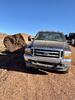
Alright, so I'm in Michigan, and this is my first winter with this 2000 Excursion. If it's left outside, it's a bitch to start. Only because the batteries die SO FAST. It cranks about 30 seconds before it's almost dead.. So, I haven't gotten them tested yet (because it's outside on the charger...), they're both 850CCA batteries, unsure how old they are. What are the gold standard for nice good quality batteries for these trucks? Then, is what I've heard about the 6.0L and 6.4L starters bolting right on to help it start easier true? If so, which is the best option?
Thank you for the help in advance, I'm not a new powerstroke owner, I've had 3 7.3's and also a 6.0. Haven't had any long enough to replace batteries or do upgrades like this.
How cold are we talking about on these hard starts? Plugging in the block heater? I know in southwest Oklahoma we don't experience cold like Michigan, but my pickup started just like normal, no extended cranking, when we had an ice storm here in late October...ambient in low teens, single digit wind chills. You may definitely have a battery problem, but if you are having that kind of extended cranking on a cold start, I am not sure it will be your silver bullet.
Thank you for that link. I'll read up on that.
It got down to 8° last night, 18° right now actual temps. I've never plugged any of my trucks in, but I think I'll have to on this one when it's outside. My garage stays 50-60° in the winter. What I did was cycle the glow plugs twice (always done that on my 7.3's when below 20°) and cranked for 15-20sec. Didn't start so cycled plugs again and cranked. Slowed down enough to know it wouldn't start in another 15-20sec.
I've had it plugged in for 2 hours now, been hooked by jumpers to my 6.0 for same amount of time, still not wanting to start. I don't have the greatest cables. They're pretty thin...
I would probably consider Odyssey or Northstar AGM as the gold standard batteries. However these trucks should start up a lot faster then 30 seconds duration down to about 0. Don't risk cranking on bad batteries with low voltage it will cause other issues with the IDM.
First, I LOVE that rear window sticker. Subtle and conservative, but a great detail that only magnifies the significance of the flag. Well done!
I was tired of being let down by lead acid batteries and I am too damn lazy to swap them out once every 3 years for warranty replacements. I went with NorthStar NSB-AGM65 batteries, but recently FTE'r jstihl went with the same battery but branded by Batteries Plus as seen in the link below.
If I need to do this again, I will most likely choose the route jstihl did. Nothing wrong with my selection since they are the exact same battery, just easier to obtain for a consumer when not going directly to the manufacturer. Mine were drop shipped from regional dealer and were 1 month old when I received them.
Not all AGM batteries are created equal either though, so choose wisely if you decide to go this route.
As for the starter, the 6.7L starter mod is a great option for anyone that has the time and ability to go that route. I would have, that is for sure... I bought a Denso from CNC Fabrication and it has been a beast. From what I gather, the 6.7L starter with the 7.3L nose cone on it sounds very similar. I upgraded to AGM batteries, Denso starter, better battery wiring and a QuickStart alternator at the same time about 3.5 years ago and the truck starts today just as it did in the video below and as it did 3.5 years ago.
I do NOT recommend QuickStart alternators any longer and anyone looking for a high quality replacement, go the route F0rdc0wb0y did with the Leece Neville in this link: https://www.ford-trucks.com/forums/1...l#post19549627
Still a decent deal on the X2 batteries going on. There is 10% off the whole order if bought online and picked up plus 30.00 per battery rebate. Makes these great batteries very reasonable.
I have a pair of Interstate batteries from Costco, 850 CCA rating. They're a year old and the starter is slowing down. I don't suspect the batteries. I do suspect the 22 year old battery cables so I'm replacing everything from the batteries to the starter with 2/0 and I'm upgrading to a Denso starter from CNC Fab. While I'm at it I'm installing a Mechman 240 amp alternator and upgrading those cables to 1/0. Looking forward to some bright lights and seriously fast cranking.
No sense nuking your checking account balance just yet ... Batteries have a sticker or are embossed somewhere on it with the manufacturing date, (sometimes in code) on them, for warranty purposes. See what month/year they were made.
Sometimes it will take a day or two to fully charge even a single large battery with a standard automotive charger. If the batteries are serviceable then there isn't any reason to replace them. When they are fully charged, load test them individually.
Go buy a basic load tester from the parts store and test them first. Test them individually disconnected from the truck. You could have a bad starter but start there.
yeah it’s chilly in these parts right now. I’d use the block heater if it’s outside. Hard on the motor no matter what kind of oil you’ve got in it.
30 seconds sounds like a very long crank time even at 8 degrees????? Might want to check the glow plug system as well. So on batteries I have tried many different brands in may different vehicles and since I live on a farm in Montana we have our fair share of cold as well the best battery I have found is CAT! They last along time and can handle the vibration and cold very well.
Batteries need looking after from time to time, no way around it, in severe service they will lose capacity fast. The alternator will not bring them back up. That doesn't mean it won't start, just that they aren't up to the task or working at their rated capacity. Ford in their early pubs used to say a weak battery is a little like driving around on underinflated tires.
For good performance and maximum service life they need to be topped off periodically with a charger. If they sit around unused particularly they will lose some of their charge, and this is not even counting the parasitic draw that modern cars and trucks have. If they seem to run out of cranking steam quickly in the cold that is a classic sign of permanent sulfation, but keep in mind this sulfation business actually occurs in high temperatures. Normally the paste that forms on the plates is quickly reverted back into the electrolyte during the charging process. If left uncharged though, it forms hard crystals that are very resistant to converting back to solution. Charging a sulfated battery has been described as like trying to wash your hands wearing rubber gloves.
But it's important to note this battery capacity loss due to permanent sulfation while accelerated in high temperatures is often most evident in cold temperatures, because the current demands on the battery are much higher, and at the same time the ability of even a healthy battery to supply their full rated CCAs is reduced as the temperature gets cold, the baterry internal resistance increases as the temoerature decreases. It's a double whammy working against you. "Batteries die in July, they just don't fall over till December".
Charging them at least once a month till they measure 100% will make a tremendous difference, and will prevent or at least reduce the tendency of the battery to become permanently sulfated. Once this happens, charging doesn't help as much or takes a very long time.
Measure state of charge after removing any "surface charge", and note the correct voltage for your particular battery chemistry. If you look at the charts, the sealed maintenance free batteries most often sold today hold 12.80 volts at 100% charge, which means If it measures 12.40 it is only about 60% charged. It will still start the truck but won't have anywhere near the performance it should. Dead, or even discharged batteries will tend to freeze. This is No Bueno, a situation to be avoided.
If the battery isn't too long in the tooth, with only light sulfation, discharging them down to around 50% charge and recharging will remove permanent sulfation. This might take a few iterations. The takeaway on all this business, it pays to keep them fully charged, with a good sized external charger when possible or time permits and avoids the issue to begin with. They will last a LOT longer, too.
I had a set this year of Costco batteries with 42 month warranty. Went to Wyoming this year and they went bad. Bought a set of NAPA batteries and they spin the starter faster then ever. I have had good luck buying batteries in Wyoming. Don't know why but they seem to last the warranty time. I paid the 10 each for core and took my old batteries back to costco and they gave me my full amount in cash for the batteries. What a deal. I noticed the new ones are only three years for warranty. Mine were three years and 2 months old.
Rezvani's Latest Post-Apocalyptic Monster Is a Ford F-150 Raptor Underneath
Slideshow: Called the Fortress, the 850-horsepower pickup combines Raptor underpinnings with military-inspired features, survival equipment, and a starting price of $285,000.