



6.0 Rebuild [2005]

Thread Starter
|
Senior User
Joined: Sep 2007
Posts: 151
Likes: 0
From: Tampa, FL.
6.0 Rebuild [2005]
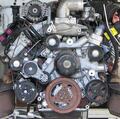
Just picked up a complete 2005 6.0 motor [Minus injectors and Turbo]. This motor was running about 2 weeks ago, but just blew the head gaskets. I removed the heads to get the water/coolant out of the cylinder block from the blown head gasket. Dumped all the oil and coolant that was remaining in the block.
I bought this motor to build a reliable 6.0 for when my current running 6.0 goes [224,000 miles]
My goal is to build a fresh reliable 450-500hp motor.
So my question is, what needs to be tested on this motor to see what needs to be rebuilt or upgraded? I've built motors before, just never a 6.0 and never a diesel. What should I change out or upgrade while the motor is being ripped apart on an engine stand? Any recommendations on upgrading the valves, different pistons, boring? Any advise will be greatly appreciated.
Thank you,
-Jeremy.
I bought this motor to build a reliable 6.0 for when my current running 6.0 goes [224,000 miles]
My goal is to build a fresh reliable 450-500hp motor.
So my question is, what needs to be tested on this motor to see what needs to be rebuilt or upgraded? I've built motors before, just never a 6.0 and never a diesel. What should I change out or upgrade while the motor is being ripped apart on an engine stand? Any recommendations on upgrading the valves, different pistons, boring? Any advise will be greatly appreciated.
Thank you,
-Jeremy.
Token Redneck


Joined: Jun 2007
Posts: 9,331
Likes: 341
From: Breckenridge, TX

Unless you're going to take it to the bare block and replace all the bearings, use it for a core and get a new base for your build.
You could be the first to volunteer for a 6.3L short block, :
6.0 Powerstroke Remanufacturing - J&K Engine Repair
Inside the ?6.3L Power Strokerrr??J&K Engines All-New, Ford V-8
https://www.youtube.com/watch?v=ytF7...ature=youtu.be
Or get an Ashville Performance 20/30 with a cam:
Asheville Engine Rebuilders - Home
You could be the first to volunteer for a 6.3L short block, :
6.0 Powerstroke Remanufacturing - J&K Engine Repair
Inside the ?6.3L Power Strokerrr??J&K Engines All-New, Ford V-8
However, the proof it can be done is all here, including dyno results confirming the 6.3L Ford’s mettle, as it easily put 445 hp and 850 lb-ft at the rear wheels of J&K’s 8,700-pound ’04 F-250 shop truck.
Or get an Ashville Performance 20/30 with a cam:
Asheville Engine Rebuilders - Home
Lead Driver
Joined: Feb 2011
Posts: 8,241
Likes: 155
From: L.A. (Lower Alabama)

Sounds like a fun project! Bryan may be right that a good aftermarket shortblock (or longblock) may be more economical in the long run. I hope to do one myself someday, keeping my radar out for an inexpensive candidate engine. Like you, I've built a few engines and from what I've seen so far, this one doesn't look too scary.
As far as I can tell it's pretty straight foreward. As always, total tear down and cleaning, cam bearings, don't forget the oil galley plugs. **** block deck prep. Cylinder finish is crucial, it's pretty common practice to bore AND hone with a deck plate installed, necessary on these engines I think. Skip the "do it yourself" ball hone on this one.
Several options for aftermarket cams now. Planning a good combo is important as far as cam, valve springs, injector size, turbo/boost level and tuning as well as supporting mods like intake and exhaust. Speaking of intakes, there are some cool (yet expensive) options for those now. Some places open them up and hog them out, I like extrude honing (porting). I've yet to see anyone build a 6.0 intake from scratch but it looks doable to me and there may be some out there.
The bottom end is pretty tough, I think just freshening it up will be fine for the HP numbers you're shooting for ( intake mods are probably unnecessary also, sorry for the sidetrack). Don't take the smallest ring off the back of the crank (inside ring of bolts on the face of the flange), it's matched to the crank, machined in position, and it could eat rear seals after reassembly or even vibrate even if you reinstall it in the proper orientation.
The new pushrods are .050in shorter to reduce preload on the lifters. They won't reduce gross lift and are a good idea on a fresh motor.
I know you already have an engine but a later model would be the best starting place. In addition to improved HPOP and plumbing, the later "commonized" engines have revised locations and sizes on the injector hold downs and hardware as well as rocker positions and hardware. They also have a different front cover with larger water pump and probably some more revisions I'm forgetting (someone will be along to straighten me out soon ).
).
Back to the machine shop for a minute, new guides are a great idea but I like the bronze guide liners. They can be installed in the existing valve guides if they are within size specs or installed in new guides if you prefer. Hopefully the crank shaft will spec out after polishing. Cross drilling, chamfering, and nitride are options but again, not necessary for your goals. The cylinder head and block deck surfacing I'd like to see done on a mill with a flycutter rather than the more common surface grinding with a machine that uses a stone wheel. Port matching the intake and exhaust to match a good set of gasket is almost allway a few free ponies. You may be surprised at how badly the ports line up on some engines, and while you're right there with the grinder, removing any casting flash you can find (especially inside the ports) is a good idea.
It's fun and satisfying to assemble an engine yourself, ring end gaps, torquing and prelubing everything is a great piece of mind when you're firing it up for the first time but much of the important technical stuff is in the Hands of your machinist...choose wisely.
These are just a few random thoughts, my mocha latte with an extra shot is kickin in right now There's a lot to consider on this subject.
As far as I can tell it's pretty straight foreward. As always, total tear down and cleaning, cam bearings, don't forget the oil galley plugs. **** block deck prep. Cylinder finish is crucial, it's pretty common practice to bore AND hone with a deck plate installed, necessary on these engines I think. Skip the "do it yourself" ball hone on this one.
Several options for aftermarket cams now. Planning a good combo is important as far as cam, valve springs, injector size, turbo/boost level and tuning as well as supporting mods like intake and exhaust. Speaking of intakes, there are some cool (yet expensive) options for those now. Some places open them up and hog them out, I like extrude honing (porting). I've yet to see anyone build a 6.0 intake from scratch but it looks doable to me and there may be some out there.
The bottom end is pretty tough, I think just freshening it up will be fine for the HP numbers you're shooting for ( intake mods are probably unnecessary also, sorry for the sidetrack). Don't take the smallest ring off the back of the crank (inside ring of bolts on the face of the flange), it's matched to the crank, machined in position, and it could eat rear seals after reassembly or even vibrate even if you reinstall it in the proper orientation.
The new pushrods are .050in shorter to reduce preload on the lifters. They won't reduce gross lift and are a good idea on a fresh motor.
I know you already have an engine but a later model would be the best starting place. In addition to improved HPOP and plumbing, the later "commonized" engines have revised locations and sizes on the injector hold downs and hardware as well as rocker positions and hardware. They also have a different front cover with larger water pump and probably some more revisions I'm forgetting (someone will be along to straighten me out soon
). Back to the machine shop for a minute, new guides are a great idea but I like the bronze guide liners. They can be installed in the existing valve guides if they are within size specs or installed in new guides if you prefer. Hopefully the crank shaft will spec out after polishing. Cross drilling, chamfering, and nitride are options but again, not necessary for your goals. The cylinder head and block deck surfacing I'd like to see done on a mill with a flycutter rather than the more common surface grinding with a machine that uses a stone wheel. Port matching the intake and exhaust to match a good set of gasket is almost allway a few free ponies. You may be surprised at how badly the ports line up on some engines, and while you're right there with the grinder, removing any casting flash you can find (especially inside the ports) is a good idea.
It's fun and satisfying to assemble an engine yourself, ring end gaps, torquing and prelubing everything is a great piece of mind when you're firing it up for the first time but much of the important technical stuff is in the Hands of your machinist...choose wisely.
These are just a few random thoughts, my mocha latte with an extra shot is kickin in right now
There's a lot to consider on this subject.
Thread Starter
|
Senior User
Joined: Sep 2007
Posts: 151
Likes: 0
From: Tampa, FL.
Thanks for the info guys! The more I read on rebuilding these engines, the scarier it looks. A lot of blown rebuilt 6.0s on all the forums. Looks like a lot of it has to do with the machine work performed on the engine.
So who is the machine shop to trust these days?
So who is the machine shop to trust these days?
Token Redneck
Joined: Jun 2007
Posts: 9,331
Likes: 341
From: Breckenridge, TX
I don't have a shop recommendation because good machining is still very locally oriented. The main reason I say short block it is because of all the machine work in the block plus all the expense in little items like lifters add up fast and then if you add time in finding a local shop the cost to me rapidly outstrips the value of doing in myself; at bare minimum I would do a Ford reman short block, their process involves rewelding the cylinder bore and then reboring to the original spec. If I had the need and the money, an Ashville Performance 20 and cam would be hard to pass on.
Ford's process is in this video at 2:15-ish:
https://www.youtube.com/watch?v=0HB5...ature=youtu.be
Ford's process is in this video at 2:15-ish:
https://www.youtube.com/watch?v=0HB5...ature=youtu.be
Thread Starter
|
Senior User
Joined: Sep 2007
Posts: 151
Likes: 0
From: Tampa, FL.
I don't have a shop recommendation because good machining is still very locally oriented. The main reason I say short block it is because of all the machine work in the block plus all the expense in little items like lifters add up fast and then if you add time in finding a local shop the cost to me rapidly outstrips the value of doing in myself; at bare minimum I would do a Ford reman short block, their process involves rewelding the cylinder bore and then reboring to the original spec. If I had the need and the money, an Ashville Performance 20 and cam would be hard to pass on.
Ford's process is in this video at 2:15-ish:
https://www.youtube.com/watch?v=0HB5...ature=youtu.be
Ford's process is in this video at 2:15-ish:
https://www.youtube.com/watch?v=0HB5...ature=youtu.be
Token Redneck
Joined: Jun 2007
Posts: 9,331
Likes: 341
From: Breckenridge, TX
It depends on what you want. A Ford reman is essentially a brand new off the lot motor, no upgrades just a solid base to skip on getting the bottom end worked over locally. Ashville is going to be bored .010-.030 over and can be had with goodies like the cam and long blocks that come with studs.
If you want to make 450+HP you're going to need the upgrades at some point, why not start with them? An Asvhille Performance 30 Coated longblock, Warren Diesel 155cc/30% injectors, and a Powermax or KC Turbo Stage 1.5 and you'll be where you want and then some. That's not the cheapest way to get to the power level you said earlier, but you're starting with high quality parts.
If your power goal was "eh stock is fine", Ford reman short block would be fine because other than studs you don't need anything else to add it it, and the basic block can handle stock power levels for hundreds of thousands of miles.
If you want to make 450+HP you're going to need the upgrades at some point, why not start with them? An Asvhille Performance 30 Coated longblock, Warren Diesel 155cc/30% injectors, and a Powermax or KC Turbo Stage 1.5 and you'll be where you want and then some. That's not the cheapest way to get to the power level you said earlier, but you're starting with high quality parts.
If your power goal was "eh stock is fine", Ford reman short block would be fine because other than studs you don't need anything else to add it it, and the basic block can handle stock power levels for hundreds of thousands of miles.
Trending Topics
Logistics Pro


Joined: Mar 2013
Posts: 4,097
Likes: 23
From: Kissimmee,Fla
I like that stroker,I was playing with the idea a year ago. 6.4 cams interchange with the 6.0,but I tried setting the crank in the 6.0 and thought other wise.......guess I was wrong again. The stroker needs to get rid of the dead head fuel system and go with a bypass regulated fuel system or a custom set up to prevent injector problems down the road.I'm sure that short block is not cheap.
FTE Stories
Ford Trucks for Ford Truck Enthusiasts

10 Best Ford Truck Engines We Miss the Most!
Joe Kucinski
2026 Shelby F-150 Off-Road: Better Than a Raptor R?
Brett Foote
2027 Super Duty Carhartt Package First Look: 12 Things You NEED to Know!
Michael S. Palmer
10 Most Surprising 2026 Ford Truck Features!
Joe Kucinski
Top 10 Ford Trucks Coming to Mecum Indy 2026
Brett Foote
5 Best / 5 Worst Ford Truck Wheels of All Time
Joe Kucinski
Ford Super Duty: 5 Things Owners LOVE, 5 Things They LOATHE!
Joe Kucinski
Every 2026 Ford Truck Engine RANKED from WORST to FIRST!
Michael S. Palmer
The Best F-150 Deal of Every Trim Level (XL through Raptor)
Joe Kucinski
Thread Starter
|
Senior User
Joined: Sep 2007
Posts: 151
Likes: 0
From: Tampa, FL.
It depends on what you want. A Ford reman is essentially a brand new off the lot motor, no upgrades just a solid base to skip on getting the bottom end worked over locally. Ashville is going to be bored .010-.030 over and can be had with goodies like the cam and long blocks that come with studs.
If you want to make 450+HP you're going to need the upgrades at some point, why not start with them? An Asvhille Performance 30 Coated longblock, Warren Diesel 155cc/30% injectors, and a Powermax or KC Turbo Stage 1.5 and you'll be where you want and then some. That's not the cheapest way to get to the power level you said earlier, but you're starting with high quality parts.
If your power goal was "eh stock is fine", Ford reman short block would be fine because other than studs you don't need anything else to add it it, and the basic block can handle stock power levels for hundreds of thousands of miles.
If you want to make 450+HP you're going to need the upgrades at some point, why not start with them? An Asvhille Performance 30 Coated longblock, Warren Diesel 155cc/30% injectors, and a Powermax or KC Turbo Stage 1.5 and you'll be where you want and then some. That's not the cheapest way to get to the power level you said earlier, but you're starting with high quality parts.
If your power goal was "eh stock is fine", Ford reman short block would be fine because other than studs you don't need anything else to add it it, and the basic block can handle stock power levels for hundreds of thousands of miles.

Thread
Thread Starter
Forum
Replies
Last Post
Rocky RaetzIDI
6.0L Power Stroke Diesel
10
Apr 10, 2014 08:12 AM
roger dowty
Small Block V8 (221, 260, 289, 5.0/302, 5.8/351W)
3
Apr 29, 2006 09:15 PM