When you click on links to various merchants on this site and make a purchase, this can result in this site earning a commission. Affiliate programs and affiliations include, but are not limited to, the eBay Partner Network.
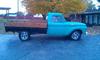
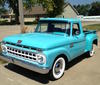
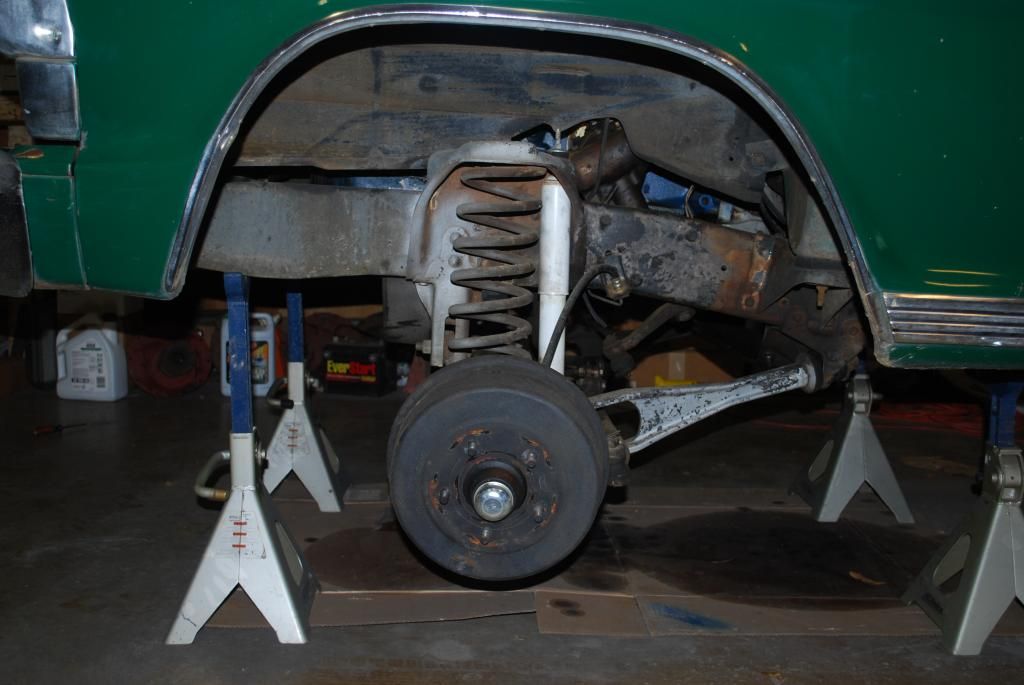
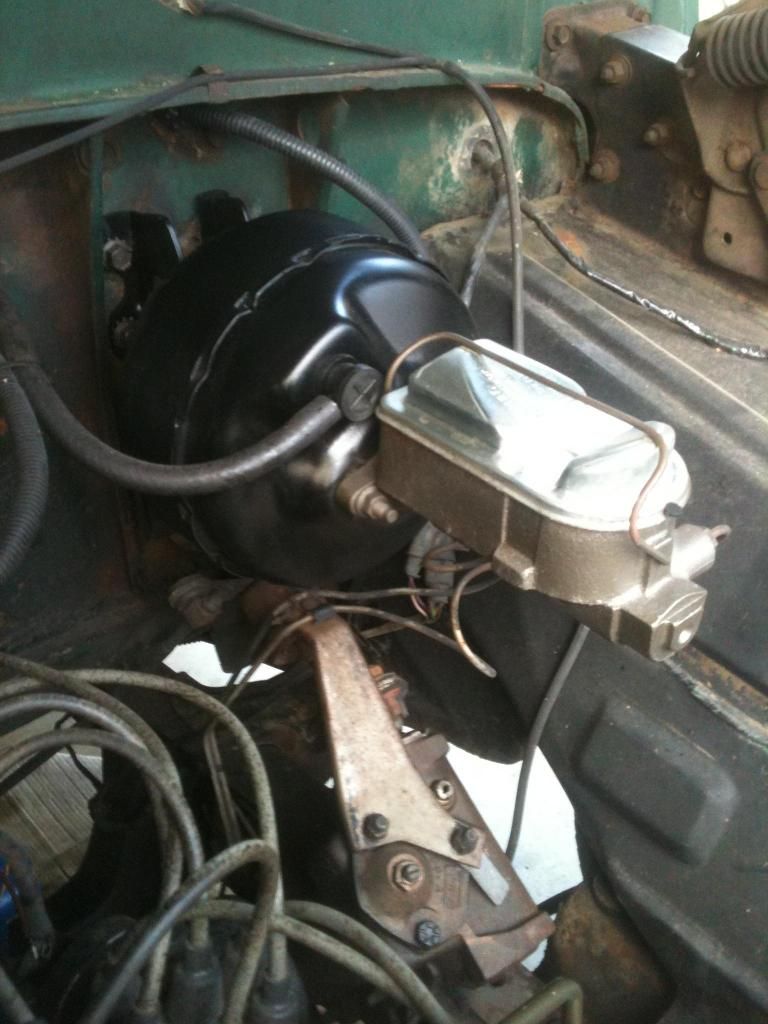
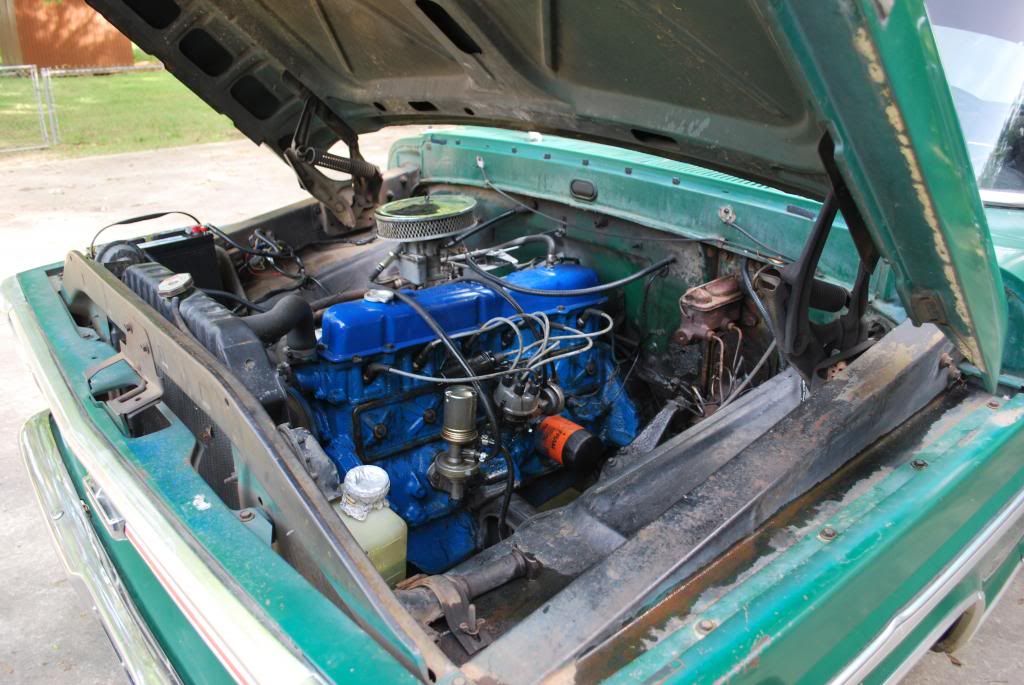
I upgraded my single cylinder M/C on my 64 F100 to a dual I got from a salvage yard, from an 83-84 Ranger. The reason I went with this particular option, was the size of the m/c and the ports being to the outside of the engine (the opposite setup would interfere with the carb on my 262). I took everything from the booster to the combination valve. The Ranger had disc/drums, whereas mine is drums all the way around. I've researched until my head hurts on this topic, everyone seems to be in disagreement on how a dual m/c drum/drum brake set up should be. My brakes work, but I have to pump them a time or two to get a good pedal. I've bled the brakes, as did the mechanic who replaced my kingpins. Can the setup I am currently using be adapted to properly work? Is the combination valve from the Ranger causing the issue, or is it the pressure valve in the m/c? Appreciate any info.
Have to use a drum/drum master cylinder. Ask for one that fits a 68 Mustang, say.
A lot of people THINK a dual master cylinder makes their brakes safer, and it does, provided it is setup right. But it can be a false sense of security. And there sure are a lot of posts on this forum over the years from folks with messed up brakes after upgrading them. I'm just a simple guy trying to do a simple job so completely rebuilt everything stock, including hard lines, drums, cylinders, etc. on my 64. Can plumb new lines and a dual master someday, but not in any big rush.
Crack open a bleeder and see if the pedal goes to the floor or not with a dual M/C. Might be surprised and not in a good way.
.... so completely rebuilt everything stock, including hard lines, drums, cylinders, etc. ... Can plumb new lines and a dual master someday, but not in any big rush.
^^ X2.
A solid, non-rusty, OEM brake lines/system will stop you adequately if you're not driving the truck like it's a sports car.
My '65 F100 still has the OEM, single reservoir style master brake cylinder and I am not be concerned about it failing me - however I keep it well maintained and I bleed all four corners annually.
Can he just add a 10 psi residual valve to the front side? Other than that, is there any difference between the disc/drum master and a drum/drum master? I ask because I'm in a similar situation and have the residual valve ready to install.
I don't know off the top of my head if an '83/'84 Ranger MC has a 1.00" bore or a 15/16" bore diameter (?).
If it's a 15/16"bore, the MC will put out more pressure than a 1.00" bore MC, for the same amount of force being applied to the brake pedal. I seriously doubt the Ranger MC has a residual pressure check valve in the secondary port of the MC (port closest to the radiator), for the rear drum brake circuit.
The trade-off of a 15/16" bore MC is that the brake pedal will have a longer travel before you have any significant brake force. A smaller bore diameter can make the brakes have a little of a spongy feel to them too.
Since brakes are the most important system on any vehicle, personally, I only buy new MCs. I don't buy rebuilt MCs and I definitely don't use wrecking yard donor MCs.
There could be air in your brake system or the MC could be on it's way out (internally by-passing).
If there's not a residual pressure valve in the MC ports, air could be drawning in around the wheel cylinder seals, when you get off the brake pedal.
Hardly any parts store MCs come with residual pressure valves in them anymore --even if it's a replacement MC where the OEM application did have an RPV(s) installed for the drum brake circuit(s).
The component that has pretty much made RPVs in MCs obsolete are cup expanders inside the wheel cylinders. It does the same thing an RPV does only, they don't get clogged up, they're easier to service and they are cheaper to manufacture.
In most situations, it's safer to use a MC that's designed specifically for the type of brakes you have on your vehicle --drum/drum, disc/drum or disc/discs. But, there are exceptions to this that work very well.
It's never a good idea to use a drum/drum MC on a disc/drum vehicle. The primary reservoir on a disc/drum MC is almost always larger than the primary reservoir on a drum/drum MC. A drum/drum MC on a disc/drum vehicle will not have enough reserve fluid capacity in the MC to supply the front calipers, after the pads/discs wear down.
I have a '69 F100 that had stock, manual drum brakes all the way around. I swapped in the front I-beams, radius arms and discs from a '77 F100, a dual diaphragm brake booster from a '75 F350, a disc/drum brake valve from an '84 Ford pickup and a (brand new) disc/disc MC for a '95 Ford Explorer (1-1/16" bore).
I currently still have the stock '69 F100 drum brakes in the rear. Eventually, I'll have discs on the rear too. In the meantime, my truck stops phenomenally well and far better than it ever did when it had manual 4-wheel drums or when it had 4-wheel drums with the F350 booster.
After I installed the booster and MC while I still had 4-wheel drums.