



What Material To Use

Thread Starter
|
Junior User
Joined: Feb 2013
Posts: 55
Likes: 0
What Material To Use
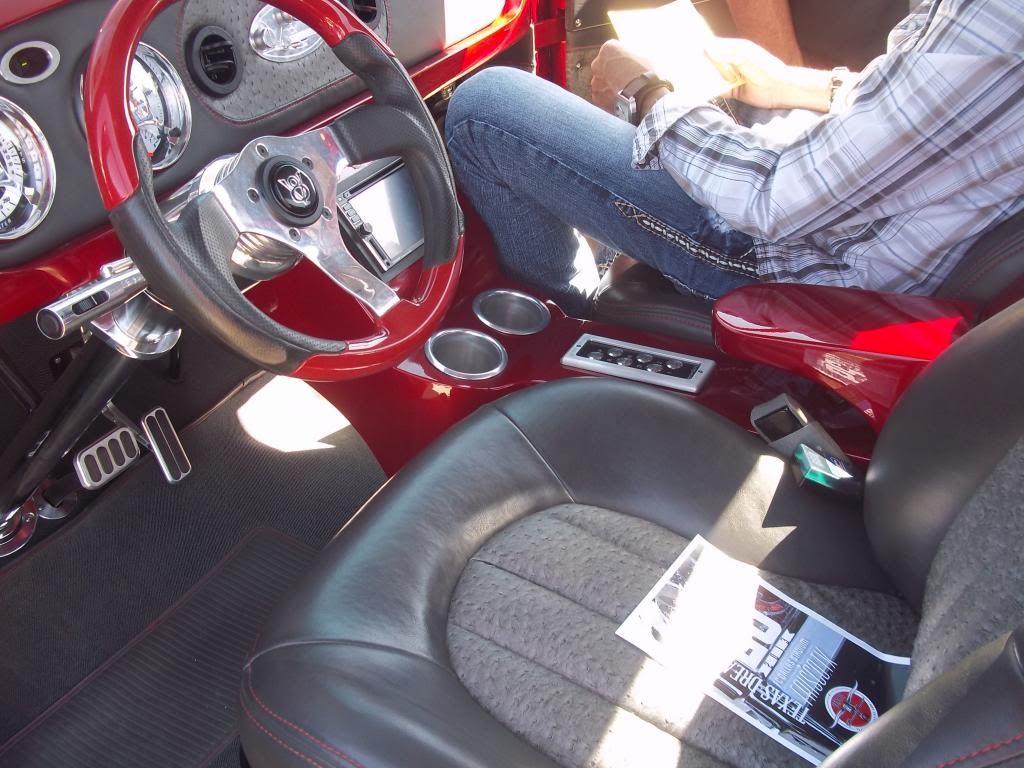
I know I have posted something like this before, but what is this material? I have gotten a lot of answers, but none that really made sense. I want to put something not that style but that look and texture. What is this material and how do you make it look so smooth and shiny?

Thread Starter
|
Junior User
Joined: Feb 2013
Posts: 55
Likes: 0
Yes i am talking about the console. I thought fiberglass was rough? Like I know fiberglass fenders are real smooth but like fiberglass deerstands are real rough/ flakey looking. Is there a difference or what?
Thread Starter
|
Junior User
Joined: Feb 2013
Posts: 55
Likes: 0
Would I like make the console out of MDF then put the fiberglass on? How would you make it smooth? I know people that own a fiberglass place so they could probably do the fiberglass part if that's what it is.
Trending Topics

Junior User
Joined: Feb 2013
Posts: 63
Likes: 0
From: Tallahassee FL
A lot of people build a mold out of wood then wrap it in a fleece like material then resin it w/ fiber glass resin then use a body filler and work it like a body panel. Its a lot of work but turns out great.
FTE Stories
Ford Trucks for Ford Truck Enthusiasts

Top 6 Best Deals Available on New Fords & Lincolns Right Now
Brett Foote
This Hennessey Takes the Expedition Tremor's Off-Roading Capability to the Next Level
Verdad Gallardo
Top 10 Fords at 2026 Carlisle Ford Nationals
Joe Kucinski
3 Best / 3 Worst Parts of Modern Ford Ownership
Brett Foote
10 Amazing Upgrades That Solve Common Ford Truck Owner Headaches
Pouria Savadkouei
Every 2026 Ford Engine Explained
Brett Foote
10 Ugly Ford Trucks That We Still Kinda Love
Joe Kucinski
10 Things Every Truck Owner NEEDS (2026 Edition)
Michael S. Palmer
Rezvani's Latest Post-Apocalyptic Monster Is a Ford F-150 Raptor Underneath
Verdad Gallardo
Junior User
Joined: Feb 2013
Posts: 63
Likes: 0
From: Tallahassee FL
Most custom stereo shops would be able to make it for you

Elder User
Joined: Aug 2012
Posts: 751
Likes: 0
From: Cuba, AL (NO internet)
for real.... YouTube, 5 mins you'll see the whole process. I could type it all or you could see it. The smooth look comes from body filler and lots of sanding.

Elder User
Joined: May 2012
Posts: 728
Likes: 2
From: North Idaho
If you want to make your own fiberglass parts it is actually fairly easy as long as you think small.
Make your form about 3/16 to 1/4 inch smaller that you want the finished unit. Then spray the form down with PAM,,,yea cooking spray. wrap the form with plastic wrap or tin foil. I like plastic wrap because the fiberglass resin bonds to it so the inside of your part has a smooth gel coat finish too. Then just cross lay coat after coat of cloth and resin until it matches your final dimensions. Let it cure up good and hard for a day and begin sanding, blocking and glazing.
I always apply at least two full coats of resin after my final lay up so I have more material between my sand paper and the fiberglass cloth. When you begin sanding, pay attention to the surface. If you sand into the cloth your surface will show rough spots, If you hit cloth, apply a coat of resin over the damaged area and begin again.
Fiberglass dust kills me so I always have a vacume (spelling) running when I sand it. But it is easy to work with and you can make just about anything you want. You can use wood, plastic, cardboard, etc for your forms, it just doesn't matter.
Make your form about 3/16 to 1/4 inch smaller that you want the finished unit. Then spray the form down with PAM,,,yea cooking spray. wrap the form with plastic wrap or tin foil. I like plastic wrap because the fiberglass resin bonds to it so the inside of your part has a smooth gel coat finish too. Then just cross lay coat after coat of cloth and resin until it matches your final dimensions. Let it cure up good and hard for a day and begin sanding, blocking and glazing.
I always apply at least two full coats of resin after my final lay up so I have more material between my sand paper and the fiberglass cloth. When you begin sanding, pay attention to the surface. If you sand into the cloth your surface will show rough spots, If you hit cloth, apply a coat of resin over the damaged area and begin again.
Fiberglass dust kills me so I always have a vacume (spelling) running when I sand it. But it is easy to work with and you can make just about anything you want. You can use wood, plastic, cardboard, etc for your forms, it just doesn't matter.

Hotshot


Joined: Oct 2004
Posts: 15,882
Likes: 88
From: Durham NC
if you want a smooth surface and avoid the irritating itch from sanding FG, do like the custom sound system installer's do: Make an exact size buck (form) out of styrofoam, wood, or whatever you like working with. Instead of the fiberglass cloth or mat, cover the outside of the buck with a layer of stretch jersey material from a fabric store (similar to T-shirt material but much stretchier) pulled smooth and stapled or tacked underneath. Use a foam roller to apply a coat of laminating resin (available at marinas, plastics suppliers or West Systems online) you can add a soft fairing filler such as microballoons to the premixed resin until the consistency of mayonnaise to get a smoother, easier to sand surface. Use only enough resin to fill the fabric weave. Allow to harden. Sand off any lumps or rough spots with coarse sandpaper on a block if you want a smooth surface. Add another layer of the jersey fabric and thickened resin. Cover the surface with plastic wrap and gently smooth the resin with plastic or cardboard squeegie, fingers, or clean roller as smooth as possible and allow to harden before stripping off the plastic wrap. Scuff the surface with medium sandpaper, and skim coat with bondo. Block sand smooth, prime and paint. If you used styrofoam as a buck dig out the majority with sharpened spoons, pour in lacquer thinner (acetone) to dissolve the remaining foam, pour out the goo into a metal container and repeat a couple times with clean thinner. The part should be quite rigid and strong, but if you want your part to be stronger yet, build it up by applying a couple layers of lightweight woven fiberglass cloth to the inside with more resin (no filler needed in the resin, but use as little resin as possible to just wet out the cloth), remembering that excess resin does not make the part stronger, just rougher and more brittle. Use as little resin as possible and no sanding will be needed. (hint: you can use an unrolled roll of toilet paper to blot up excess resin. Roll off the saturated outer layers of the TP roll and discard as you go. Use the cheapest TP you can find, the expensive stuff falls apart.)

Elder User
Joined: Sep 2007
Posts: 968
Likes: 0
From: webster wi
Project: Rolling Thunder Part 16 - "Blankie" Front Bumper Fab | Trucks! | PowerBlockTV.com - Video he makes a bumper but same prosess

Thread
Thread Starter
Forum
Replies
Last Post