



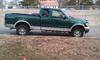


torsion keys

Logistics Pro


Joined: Jan 2007
Posts: 3,829
Likes: 104
From: Martinsburg, WV

Slow and steady, count the turns. When reinstalling the lift keys, resist the urge to just crank em all the way in. They need to be adjusted properly. Make sure the truck is supported on a good set of stands and is solid. You will probably need my two best friends, Oxy and Acetylene... Especially as I see you are from Illinois. The will likely be "rust welded" onto the end of the bars.
Logistics Pro
Joined: Jan 2007
Posts: 3,829
Likes: 104
From: Martinsburg, WV
Support it under the frame. And " just crankin' the bars up"is one of the stupidest things you can do mechanically. It places undue stress on the suspension components, especially the upper control arms, bumpstops and cv axles and can lead to greater issues/failures When installing lift keys, the factory ride height adjustment directions still apply, you just account for the amount of lift in the measurements. We went over this in a previous thread recently. A search should bring it up.
Here ya go... https://www.ford-trucks.com/forums/1...ot-issues.html
Here ya go... https://www.ford-trucks.com/forums/1...ot-issues.html

Hotshot

Joined: Jul 2005
Posts: 11,931
Likes: 180
If you go to change the keys, jack under the frame and let the tires hang, then back off on the factory screws. You can definitly just screw in the factory screws to raise the height. That is exactly what the aftermarket keys are going to do. It does absolutely nothing to increase stress on other components. All it does is twist the torsion rod which is basically a sping. As you twist harder, the truck rises. You have not increased the weight of the truck so no extra stress exists. It would be the same as putting an air bag longer coils, or air shocks on a coil spring truck. All the aftermarket keys do is reposition the torsion bar with respect to the jack screw so you can "screw it in further". Going "to far" can cause the front axles angle to be excessive and can lead to extra wear on the CV joints. That is due to the axle angle, not the key or the use of aftermarket parts. How far you lift and what is "excessive angle" depends on how you drive and what kind of CV joint / ball joint life you expect.
Hotshot
Joined: Jul 2005
Posts: 11,931
Likes: 180
Here are a couple photos of a guy who has adjustable helper springs on the front shocks and gets about a 4 inch lift. One photo shows the CV joint angle (several posts down). That looks "extream " to me.
Front axle angle too extreme??? - F150online Forums
Front axle angle too extreme??? - F150online Forums
Trending Topics
Logistics Pro
Joined: Jan 2007
Posts: 3,829
Likes: 104
From: Martinsburg, WV
If your keys are cranked all the way up to the point that the upper control arms are constantly in contact with the welded wedge of steel on the frame, it is a bad thing, can cause bends, cracks, etc in the upper control arm under heavy use and repeated impacts from daily use(potholes, speedbumps, trails). How does "It does absolutely nothing to increase stress on other components" apply to that? Plus it makes for a really ****ty ride, it allows the transfer of a lot more NVH into the vehicle...
FTE Stories
Ford Trucks for Ford Truck Enthusiasts

10 Things Every Truck Owner NEEDS (2026 Edition)
Michael S. Palmer
Rezvani's Latest Post-Apocalyptic Monster Is a Ford F-150 Raptor Underneath
Verdad Gallardo
Top 10 Most Expensive Ford Trucks Ever Sold on Bring a Trailer
Joe Kucinski
2027 Ford Super Duty Buyer's Guide (Every Model, Engine, & Package)
Brett Foote
Top 10 Ford Truck Tragedies
Joe Kucinski
AEV FXL Super Duty - the Super Duty Raptor Ford Doesn't Make
Brett Foote
Lobo Vs Lobo: Proof the F-150 Lobo Should Be Even Lower!
Michael S. Palmer
Ford's 2001 Explorer Sportsman Concept Looks For a New Home
Verdad Gallardo
10 Best Ford Truck Engines We Miss the Most!
Joe Kucinski
Junior User
Joined: Sep 2010
Posts: 57
Likes: 0
From: wauchula Fl.
Be ready to change the inner cv boots wen u install keys, I found with lift keys crank to there's 3/4" of stud left to tighten ull get noticeable height diff and won't ripp boots, although stock boots are a hard rubber universal replacements are like a silicon rubber and not as easy to rip
Hotshot
Joined: Jul 2005
Posts: 11,931
Likes: 180
Cranking the factory keys will lift the front end approx 1 inch. It will in no way overload the suspension, You will be along way from bottoming out the upper A- frame. The only way you might bottom out would be to use AFTERMARKET key which would allow a couple more inches of lift and that MIGHT get you to the upper limit of travel.. that would be too far as i already said.

Thread
Thread Starter
Forum
Replies
Last Post
