


Gas Tank

Junior User
Joined: Jun 2010
Posts: 53
Likes: 0
From: Powder Springs, Georgia
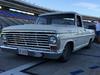
I'm working on a 1968 F100 and I have relocated the gas tank from inside the cab to the rear of the truck behind the rear end inside the frame. The tank is a 21 gallon NoLimits tank that I designed. The filler neck comes up in the bed on the left side of the bed at the tailgate and is painted flat black and undercoated to make it unnoticeable. I also ran new gas lines and added a fuel filter at the tank and a drain plug in the bottom of the tank. The stock pump on my 360 is strong enough to pull the gas.
Posting Guru


Joined: Jul 2011
Posts: 1,650
Likes: 16
From: DFW Texas
Posting Guru
Joined: Jul 2011
Posts: 1,650
Likes: 16
From: DFW Texas
Why is everyone talking about getting rear ended? Who gives a sh..? Might want to think about a car running a light and nailing the side of the cab right behind the door. THAT is when I do not want to have a fuel tank 3 inches behind me. Go ahead and rearend me with the tank behind the axle. Thats gonna have be one heck of a hit. And if you get rearended hard enough, it just might make it up to the cab mounted tank anyway. It happened to a guy here in Ft Worth last year. Driving one of these trucks and was plowed by an 18 wheeler so hard the front bumper of the 18 wheeler was in the dudes seat. The truck BURNED and he DIED. I will buy my time with the tank 5 ft further back in a run of the mill rear end accident and don't have to worry about a side impact.

Junior User
Joined: Sep 2008
Posts: 74
Likes: 0
From: Shaunavon, Sk, Canada
Also, remember, starting in 1973, FORD installed the tanks between the frame behind the rear axle and I have never seen one of these explode or burn. I have seen a couple with the rear bumper pushed just about even with the back of the cab though.
David.
David.
Senior User
Joined: Mar 2007
Posts: 482
Likes: 0
From: orange county ca.
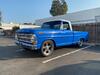
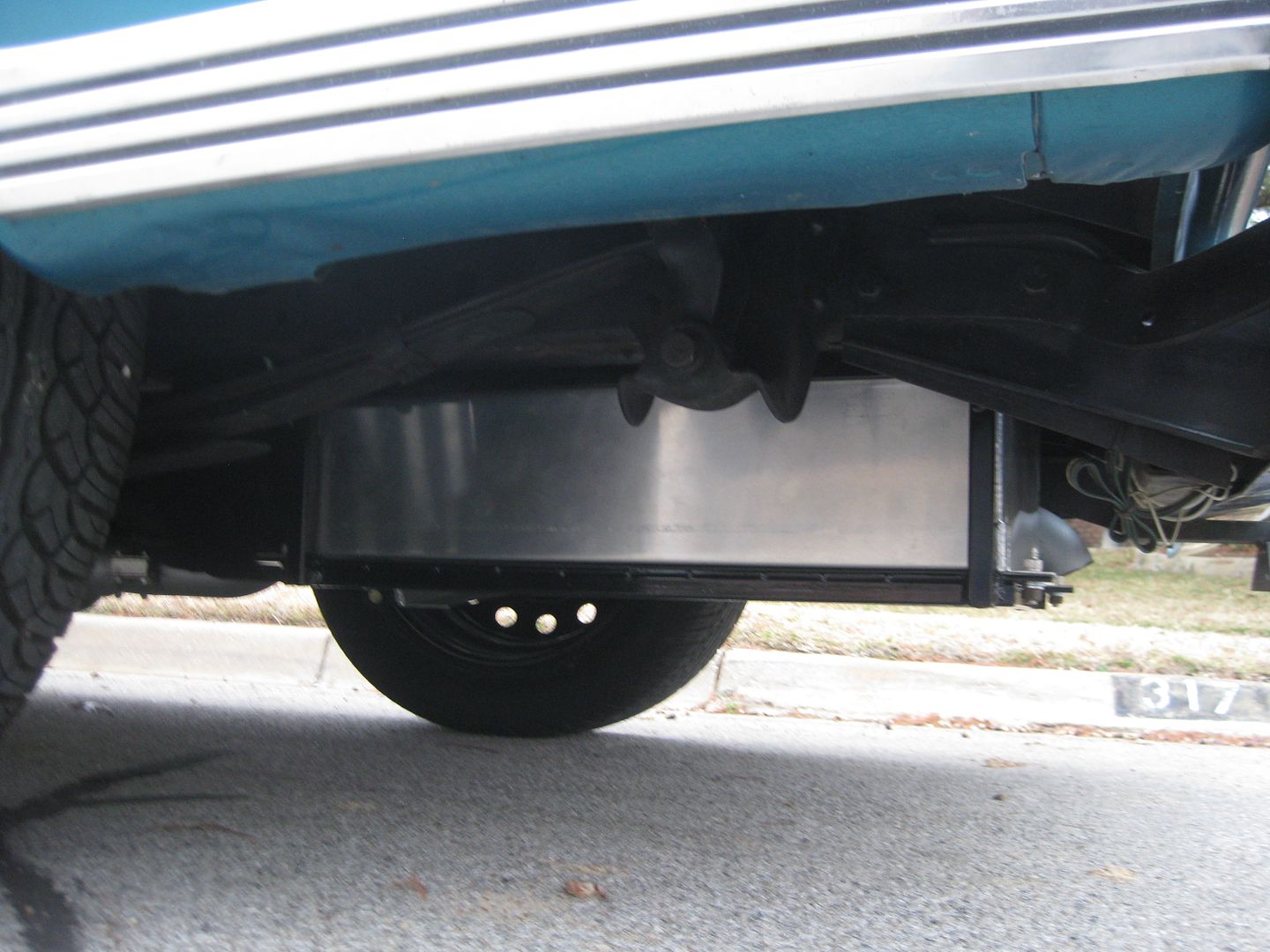
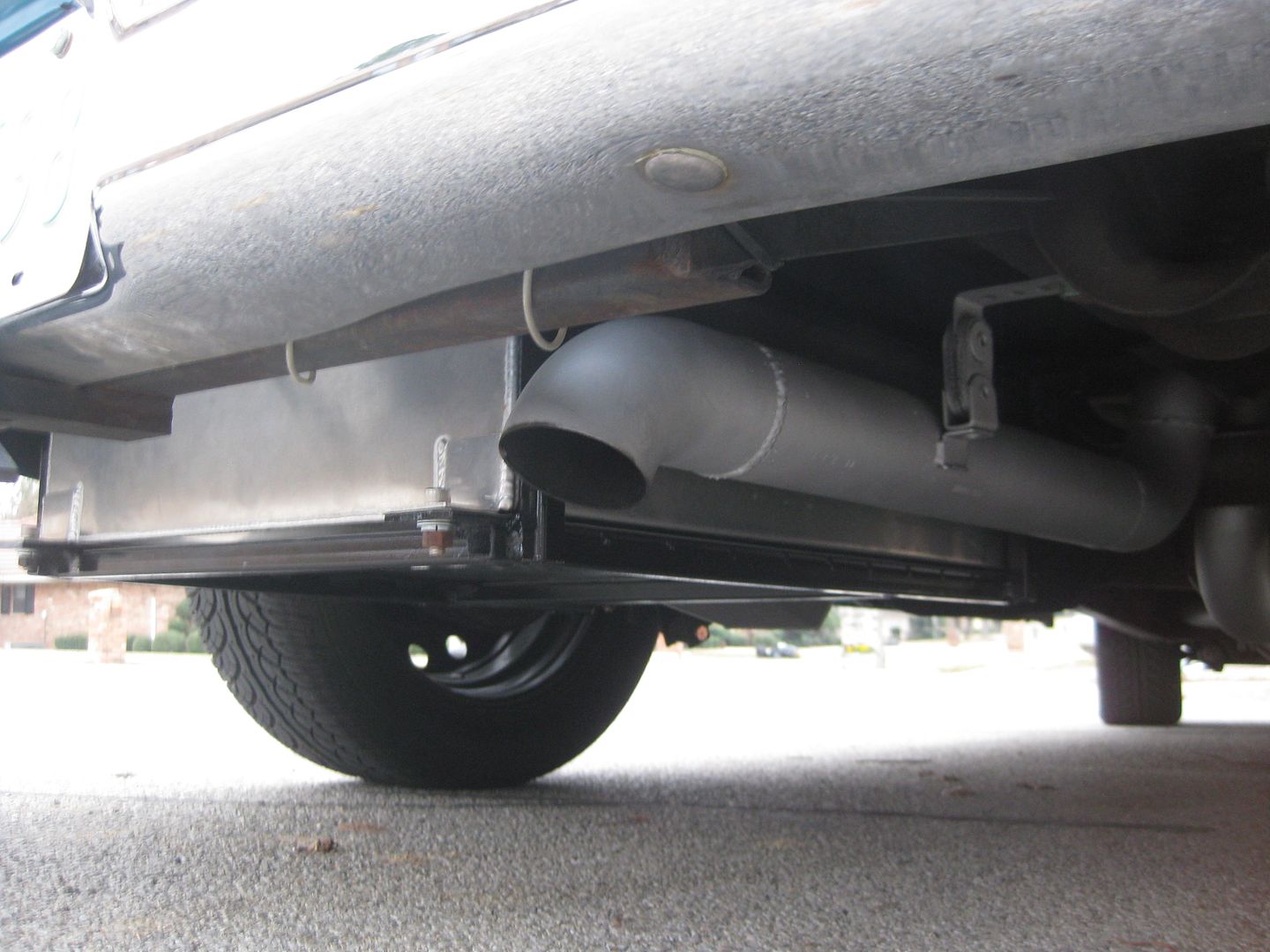
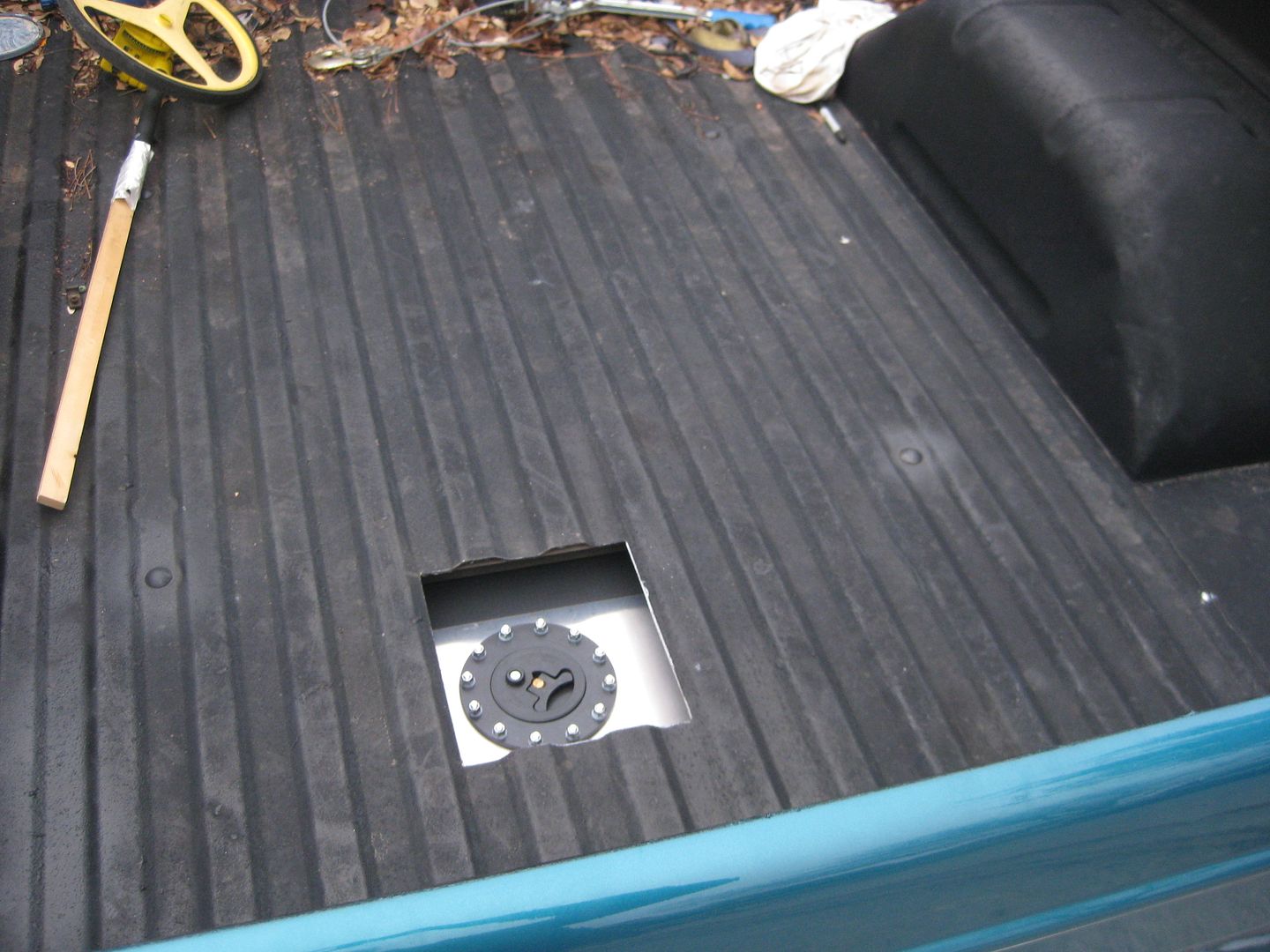
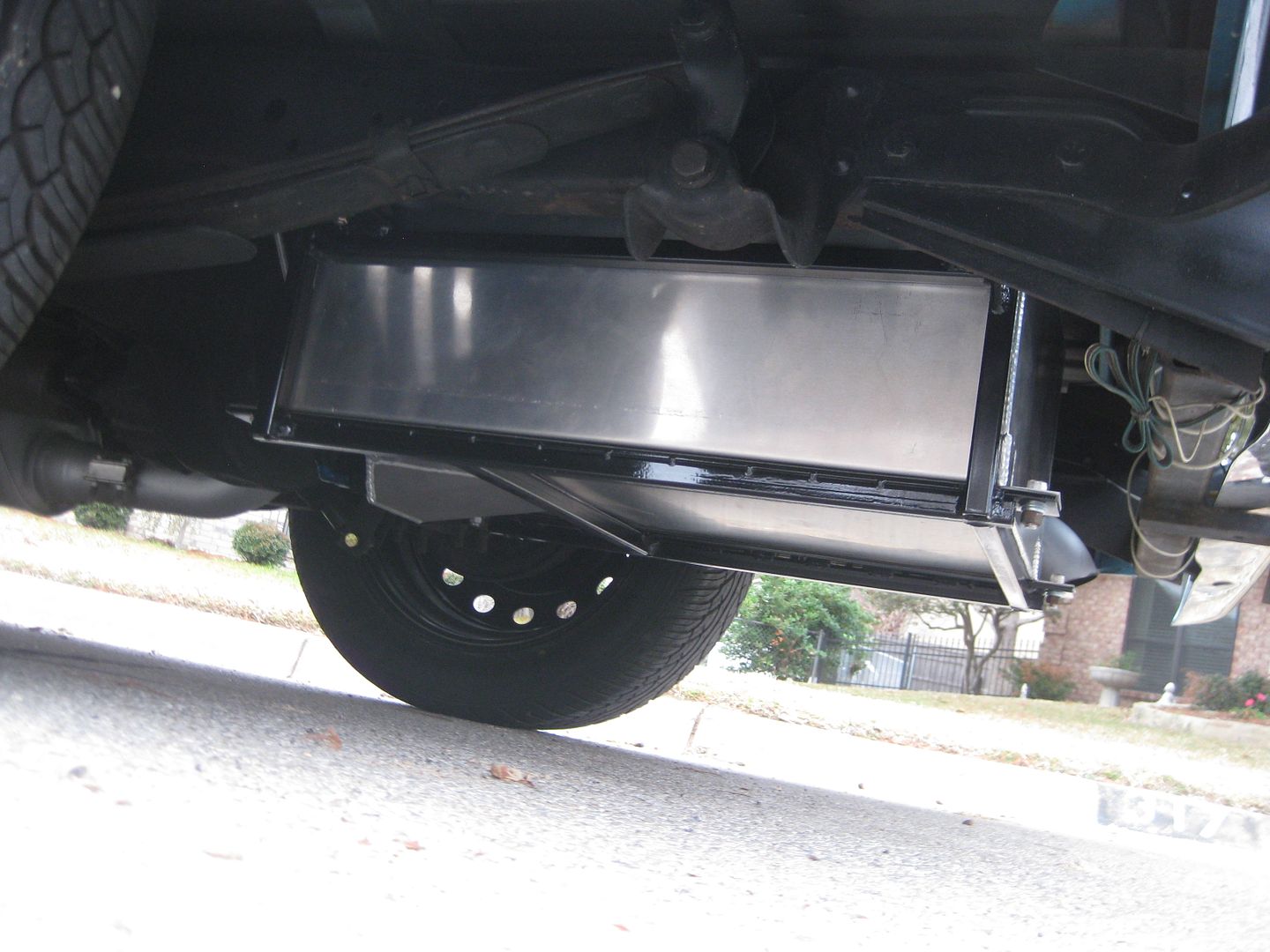
I just finished mine; Jegs 20 gallon fuel cell. I trimmed the next to last cross member, fabbed a fuel cell mount and cut a hole in the bed. The pics make the tank look like it hangs way below the truck but it really does not. Maybe 2 inches below the bumper line. I could have got it another inch or so higher if I would have taken the time to do some more fabrication; time is a factor though. I still have to put hinges on the door with a latch. I have aftermarket gauges so the 0-90 sending unit worked with them. It is nice having room behind the seat!

New User
Joined: May 2005
Posts: 7
Likes: 0
Jaz 254-016-01
I used a JAZ 16 gallon tank from Summit (Jaz 254-016-01) in my 67 Ranger. I also could have gotten it in there an inch or 2 higher but time was a factor. The picture is a bit of an illusion though, since it was taken well below the bumper line. I also could have gotten it in a little higher by turning it around., but I wanted the sump aimed to the back of the truck. Some people flip them around and run the lines out the front. Since I plan on popping wheelies, I didn't think that was my best option.

FTE Stories
Ford Trucks for Ford Truck Enthusiasts

Rezvani's Latest Post-Apocalytic Monster Is a Ford F-150 Raptor Underneath
Verdad Gallardo
Top 10 Most Expensive Ford Trucks Ever Sold on Bring a Trailer
Joe Kucinski
2027 Ford Super Duty Buyer's Guide (Every Model, Engine, & Package)
Brett Foote
Top 10 Ford Truck Tragedies
Joe Kucinski
AEV FXL Super Duty - the Super Duty Raptor Ford Doesn't Make
Brett Foote
Lobo Vs Lobo: Proof the F-150 Lobo Should Be Even Lower!
Michael S. Palmer
Ford's 2001 Explorer Sportsman Concept Looks For a New Home
Verdad Gallardo
10 Best Ford Truck Engines We Miss the Most!
Joe Kucinski
2026 Shelby F-150 Off-Road: Better Than a Raptor R?
Brett Foote
Fleet Mechanic
Joined: May 2012
Posts: 1,724
Likes: 1
From: peru kansas
.
i know its not to much better but a buddy of mine bought a diamond plate aluminum tool box put a couple racing fuel cells in it it works great and its safe plus he installed a fuel switch since he runs race fuel in one side and pump gas in other side i have wanted to do this ever since..... simple, safe, effective, and additional cool factor 

Logistics Pro


Joined: Jun 2003
Posts: 3,921
Likes: 272
I used a JAZ 16 gallon tank from Summit (Jaz 254-016-01) in my 67 Ranger. I also could have gotten it in there an inch or 2 higher but time was a factor. The picture is a bit of an illusion though, since it was taken well below the bumper line. I also could have gotten it in a little higher by turning it around., but I wanted the sump aimed to the back of the truck. Some people flip them around and run the lines out the front. Since I plan on popping wheelies, I didn't think that was my best option.


Thread
Thread Starter
Forum
Replies
Last Post
suntaster
1967 - 1972 F-100 & Larger F-Series Trucks
15
May 6, 2009 07:36 PM
