



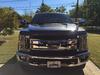
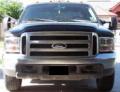


ok, someone help me settle this debate

Post Fiend
Joined: Sep 2006
Posts: 7,426
Likes: 6
From: Sioux Falls, SD
Originally Posted by empiretc
Dude, always copy to the clipboard when you have that much dedication in a post. YOu can loose internet connection at any time, but atleast you can paste and save. Beats the hell out of typing it all over, and its your never going to say it exactly the same again.
With that said, I really would like to hear this heated opinion you have as my wife is thinking this WW thing is an affordable xmas gift I will really like (she overheard me talking about it with my pops).
With that said, I really would like to hear this heated opinion you have as my wife is thinking this WW thing is an affordable xmas gift I will really like (she overheard me talking about it with my pops).

Post Fiend
Joined: Feb 2006
Posts: 11,892
Likes: 2
From: Middle Tennessee
Originally Posted by amiller93
Tenn your on a role tonight. Wife keeps looking at me like i'm crazy, sitting here laughing at the computer

Post Fiend
Joined: Jul 2005
Posts: 14,582
Likes: 12
From: 21791
My teacher compared it to an alternator. With an alternator, there are usually three phases, that smooth out the electrical pulses, to make the current output smooth. With one phase you wouldn't get as much current ,and it would be very uneven.
With a stock compressor wheel, there are 9 fins, and they make for a very smooth pulsation of air coming off of the compressor wheel. This smooth pulsation puts the surge line at a certain point. The stock turbo with a modified truck seems to hit this easy.
However the WW has a different pitch and blade count. The air pulses off of the compressor wheel are at a different time and frequency, so the pulses of air coming off of the wheel outlet will change, and therefore change the surge point of the turbo. However if you have enough mods done, you can still hit this surge point. The only fix for this is a mechanical fix, which is the inducer bleed ring in the ATS housing. Alot of the OTR trucks, and even larger turbos have the bleed ring right in them. This bleed ring is an "escape route" for the air to escape back past the compressor wheel. The ring dumps the excess air that hits the inducer and tries to slow the compressor wheel, but instead it bleeds back to the intake. It's a simple design that fixes it for good.
I spent a good 15 mintues talking with my teacher about how i thought the 9 blade design would be better at lower speeds because there is more blades to push air, and would be less effective at higher speeds, because there would be less "time" for the area to fill with air coming in. With a stock wheel, the blades are 40* apart, and they are all equal height. However the WW is of a 10 blade design, 5 short and 5 tall. The large blades 72* apart from each other. In my logic it made sense to me that a wheel with blades farther apart would do better at high speed, because there is more room for air to be split aside and pulled into that 1/5 of the compressor opposed to only 40* of area. Then the small blade on the WW cuts out some of that air, and pulses out air at a certain time, and then the larger pulse follows.
He told me that the blade count and the number of fins had little to do with airflow. He simply stated that a wheel with more fins will flow more air, and that's it. That is why the WW will flow less than stock, because the WW's design is to move the surge point to a higher stall. It is not meant to flow more air, or to look cooler by changing the number of fins and their design. The only purpose for this was to cure the surge by sending air pulses out of the wheel at a different time. That is how the WW cures surge. I made sure i copied that.
With a stock compressor wheel, there are 9 fins, and they make for a very smooth pulsation of air coming off of the compressor wheel. This smooth pulsation puts the surge line at a certain point. The stock turbo with a modified truck seems to hit this easy.
However the WW has a different pitch and blade count. The air pulses off of the compressor wheel are at a different time and frequency, so the pulses of air coming off of the wheel outlet will change, and therefore change the surge point of the turbo. However if you have enough mods done, you can still hit this surge point. The only fix for this is a mechanical fix, which is the inducer bleed ring in the ATS housing. Alot of the OTR trucks, and even larger turbos have the bleed ring right in them. This bleed ring is an "escape route" for the air to escape back past the compressor wheel. The ring dumps the excess air that hits the inducer and tries to slow the compressor wheel, but instead it bleeds back to the intake. It's a simple design that fixes it for good.
I spent a good 15 mintues talking with my teacher about how i thought the 9 blade design would be better at lower speeds because there is more blades to push air, and would be less effective at higher speeds, because there would be less "time" for the area to fill with air coming in. With a stock wheel, the blades are 40* apart, and they are all equal height. However the WW is of a 10 blade design, 5 short and 5 tall. The large blades 72* apart from each other. In my logic it made sense to me that a wheel with blades farther apart would do better at high speed, because there is more room for air to be split aside and pulled into that 1/5 of the compressor opposed to only 40* of area. Then the small blade on the WW cuts out some of that air, and pulses out air at a certain time, and then the larger pulse follows.
He told me that the blade count and the number of fins had little to do with airflow. He simply stated that a wheel with more fins will flow more air, and that's it. That is why the WW will flow less than stock, because the WW's design is to move the surge point to a higher stall. It is not meant to flow more air, or to look cooler by changing the number of fins and their design. The only purpose for this was to cure the surge by sending air pulses out of the wheel at a different time. That is how the WW cures surge. I made sure i copied that.
FTE Stories
Ford Trucks for Ford Truck Enthusiasts

Top 10 Most Expensive Ford Trucks Ever Sold on Bring a Trailer
Joe Kucinski
2027 Ford Super Duty Buyer's Guide (Every Model, Engine, & Package)
Brett Foote
Top 10 Ford Truck Tragedies
Joe Kucinski
AEV FXL Super Duty - the Super Duty Raptor Ford Doesn't Make
Brett Foote
Lobo Vs Lobo: Proof the F-150 Lobo Should Be Even Lower!
Michael S. Palmer
Ford's 2001 Explorer Sportsman Concept Looks For a New Home
Verdad Gallardo
10 Best Ford Truck Engines We Miss the Most!
Joe Kucinski
2026 Shelby F-150 Off-Road: Better Than a Raptor R?
Brett Foote
2027 Super Duty Carhartt Package First Look: 12 Things You NEED to Know!
Michael S. Palmer
Thread
Thread Starter
Forum
Replies
Last Post
ernesteugene
1999 - 2003 7.3L Power Stroke Diesel
33
Nov 2, 2007 12:25 AM