


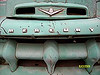
My new to me 1948 F6

Hotshot


Joined: Oct 2009
Posts: 16,094
Likes: 4,687
From: Burbank, WA
VIN is government speak for Vehicle Identification Number, a code created in the late 1970's to have a worldwide, standardized vehicle identification system that would show country of origin, make, model, engine code, assembly plant, among other things. Prior to 1979, manufacturers made up their own identifying system within their serial number. For nearly 50 years, VIN has become the common term to use for identifying a vehicle, and even though our trucks far predate the official creation of the term I believe it's still accurate as a serial number is, no matter what anyone says, a number that identifies the vehicle. Before serial numbers, vehicles were identified by "Engine Number" as serial numbers were stamped on engines instead of chassis. Depending on brand, some may have numbers only on the engine, some would have one number stamped on both the engine and chassis, and some had separate numbers stamped on engine and chassis. It was all very confusing as most titles said engine number, not chassis or serial number. It wasn't until the 1950's that governments figured out engines were routinely replaced when worn out, the official number of the vehicle was lost, and the ownership papers no longer matched the vehicle. Serial numbers on chassis became the norm. It was another 20 years past that when identification was still such a mess that the VIN, stamped on several places and components of the vehicle, was standardized and mandated. And that concludes your history lesson in a nutshell for today. 

Thread
Thread Starter
Forum
Replies
Last Post
bobj49f2
1948 - 1956 F1, F100 & Larger F-Series Trucks
11
Jun 20, 2020 06:46 AM
54-F100
1948 - 1956 F1, F100 & Larger F-Series Trucks
30
Oct 27, 2016 11:31 PM
BlueOvalRage
1948 - 1956 F1, F100 & Larger F-Series Trucks
13
Apr 29, 2009 11:18 AM