When you click on links to various merchants on this site and make a purchase, this can result in this site earning a commission. Affiliate programs and affiliations include, but are not limited to, the eBay Partner Network.
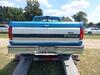
I have a 1993 F-150 with the 5.0 engine, and it has 162,000 miles on it. I bought it in April, and it was running fine for a couple of months. Then it started showing some rough running symptoms. Fuel pressure was low, so I had the fuel pump and filter both replaced, and had a complete ignition tuneup done. It ran alright for a couple of days, but started running rough again, so I replaced the coil and the battery the other day. Now it will hardly run, especially after it's warmed up. I have had to use AAA twice in the last few weeks to get me home because it just stopped running right and it wouldn't even hardly limp. This morning I did the KOEO and KOER tests and got clear codes using my Innova scanner. It started up fine and ran okay while the engine was cold. After retrieving the codes, I disconnected the battery for about 10 minutes to clear any codes in the ECM (not sure if that works). Now it's almost not starting and acting like it's dropping cylinders really bad. I suspect something wrong with the timing. At my wits end. Any ideas? Any help and advice would be really appreciated. I'll say this, when it's been running, it's run like a champ. The is mind blowing.
Yeah, that's for sure. There's a lot of substandard junk on the market these days. I don't have a pressure gauge handy, but have depressurized the fuel system and am waiting for my Harbor Freight little tiny ratchet with attachments to come in the mail. I determined the size of the three hex bolts be 5/32. I have the new regulator, a Standard from Rock Auto. I don't why they don't include new hardware with the regulator since It's easy to drop and lose them. Also I'm wondering if there's a mod or a swap that allows two instead of three bolts and installed from the top, like the 5.8 I saw a guy working on on utube. Like, a fuel rail from another version of the 302 maybe? Don't know. Mine of course are installed from the bottom and the back is extremely hard to reach. Thanks for taking a look eat my post!
I doubt it jumped timing. I've never seen it happen on a Ford ohv engine. Itll break the timing chain first. Check your fuel pressure as mentioned above.
in my 55 years pulling wrenches i have only seen two vehicles jump timing. the first was a 68 chevy 305 engine with almost 135,000 miles on it was was used and abused. the nylon timing gears were gone causing the chain to jump teeth killing the engine because a few valves hit the top of the pistons.
the other was a honda odessey van with 110,000 miles on it. recommended belt replacement was 60,000 miles. that one still ran but it was 2 or 3 "teeth" off causing low power. lucky for my neighbor a new timing belt was all it needed. he also got rid of it three weeks after i changed the belt
Steel truck timing gears jumping?
No, not, never
Car cam gear with the nylon = yes, shear and jump all the time
I think you should check the caps in your processor before getting too carried away with replacing any more parts
+1 for a direct fuel pressure gauge test, and have that gauge taped to the windshield for the next test drive
Steel truck timing gears jumping?
No, not, never
Car cam gear with the nylon = yes, shear and jump all the time
I think you should check the caps in your processor before getting too carried away with replacing any more parts
+1 for a direct fuel pressure gauge test, and have that gauge taped to the windshield for the next test drive
Steel gears arent necessarily the end all be all. The GM 3.8l v6 which is descended from the Fireball (1960s) had this problem up to about 1988. The cars came with steel sprockets that the chains ran on, just like the Buick V8, the Chevy V8 etc
However, cutting the V8 to V6 without changing the firing order or splitting the crankpins which produced a truly poor running engine (shake/vibration wise) caused the sprockets/gears to actually wear and then shear
This problem was not rememdied till 1988 when the LN3, which is the first FWD version of the 3.8 that didnt have a distributor(best way to describe it). The LG3 (distributor equipped) had the same problem and firing order. The LN3 split the pins, went to on center bore spacing for the rods and kept its 90 degree angle but it did change the firing order.
now, as far as a 302 goes, the only conceivable way i see this being the problem realistically is the oil is neglected severely, the chain had abrasive wear with whats in the oil, and the engine has been misfiring for a long time. Which isnt likely the case, because how would the "change in timing" be noticeable if its always misfiring.
Steel gears arent necessarily the end all be all. The GM 3.8l v6 which is descended from the Fireball (1960s) had this problem up to about 1988. The cars came with steel sprockets that the chains ran on, just like the Buick V8, the Chevy V8 etc
However, cutting the V8 to V6 without changing the firing order or splitting the crankpins which produced a truly poor running engine (shake/vibration wise) caused the sprockets/gears to actually wear and then shear
This problem was not rememdied till 1988 when the LN3, which is the first FWD version of the 3.8 that didnt have a distributor(best way to describe it). The LG3 (distributor equipped) had the same problem and firing order. The LN3 split the pins, went to on center bore spacing for the rods and kept its 90 degree angle but it did change the firing order.
now, as far as a 302 goes, the only conceivable way i see this being the problem realistically is the oil is neglected severely, the chain had abrasive wear with whats in the oil, and the engine has been misfiring for a long time. Which isnt likely the case, because how would the "change in timing" be noticeable if its always misfiring.
i could see another way the timing could "jump"
if the crank snapped in two pieces..... but that would make an ungodly racket down deep in the running engine.
You are soooo right about those GMs
First one I saw that jumped was a fairly new Grand Prix
Can't remember exactly which motor, I just remember being pissed that it happened to the guy at 77k or something low like that
I can say this from experience
On a small block Chev, the chain will grind / cut a hole in the front cover before it jumps time
I have not experienced a Ford truck ever jump time with a steel gear
Anything phenolic has a lifespan however, like the 300-6 pops that came from the factory with the quiet phenolic cam gear
I have seen at least ten distributor roll pins shear over the years
Oil pump seizing / failing was the cause of a few
Mechanics error when changing stators in the distributor was the culprit on a few
I have seen at least ten distributor roll pins shear over the years
Oil pump seizing / failing was the cause of a few
Mechanics error when changing stators in the distributor was the culprit on a few
Dad's '87 f150 5.0 had nylon timing teeth that started failing at about 150k miles, but I don't think they did that after '88. If it were nylon gears it would quickly not start anymore and backfire. Check coil wire resistance. I've had that give a no start condition. Should be 500 ohms per ft or 750 if 18".
You are soooo right about those GMs
First one I saw that jumped was a fairly new Grand Prix
Can't remember exactly which motor, I just remember being pissed that it happened to the guy at 77k or something low like that
I can say this from experience
On a small block Chev, the chain will grind / cut a hole in the front cover before it jumps time
I have not experienced a Ford truck ever jump time with a steel gear
Anything phenolic has a lifespan however, like the 300-6 pops that came from the factory with the quiet phenolic cam gear
i had a 73 grand prix i bought for $500 from original owner with 45,000 miles on it in 79, no start when wet out, and when it did dry up and start was only running on 4-5 cylinders. timing chain and gears, full tune up, and fluids and filters later it was good as new.
come to find out he never did anything to it except put gas and oil in it.
put 55,000 miles on it before the trans stopped shifting. first and reverse only. sold it for $900.
Rezvani's Latest Post-Apocalyptic Monster Is a Ford F-150 Raptor Underneath
Slideshow: Called the Fortress, the 850-horsepower pickup combines Raptor underpinnings with military-inspired features, survival equipment, and a starting price of $285,000.