When you click on links to various merchants on this site and make a purchase, this can result in this site earning a commission. Affiliate programs and affiliations include, but are not limited to, the eBay Partner Network.
A Technician I know stated that he is noticing that more-and-more shops may not be replacing TTY bolts in critical service applications. Many seem to be re-using the old ones, with some loctitie dabbed on. In addition, one dealership didn't stock a set of TTY bolts that he needed (not a particularly uncommon job he was working on either, and not a 6.0L) - they told him that those bolts aren't being taken out of inventory much anymore, and they couldn't justify the inventory expense. So .................... if you have work done at a shop, check the invoice (or better yet specify up front that if there is any removal of TTY bolts involved, that you want them replaced). Who knows how widespread this might be, but it may be worth keeping your awareness up.
The GM LS enthusiasts have been pushing this for years, and I've seen it with the GM techs, too. They most often get away with it, carefully tensioning them to the installed level somewhat, but they lose the reason for TTY bolts. The reasoning always seems to be reducing the cost. I don't get it, but when I bring it up I get brushed off.
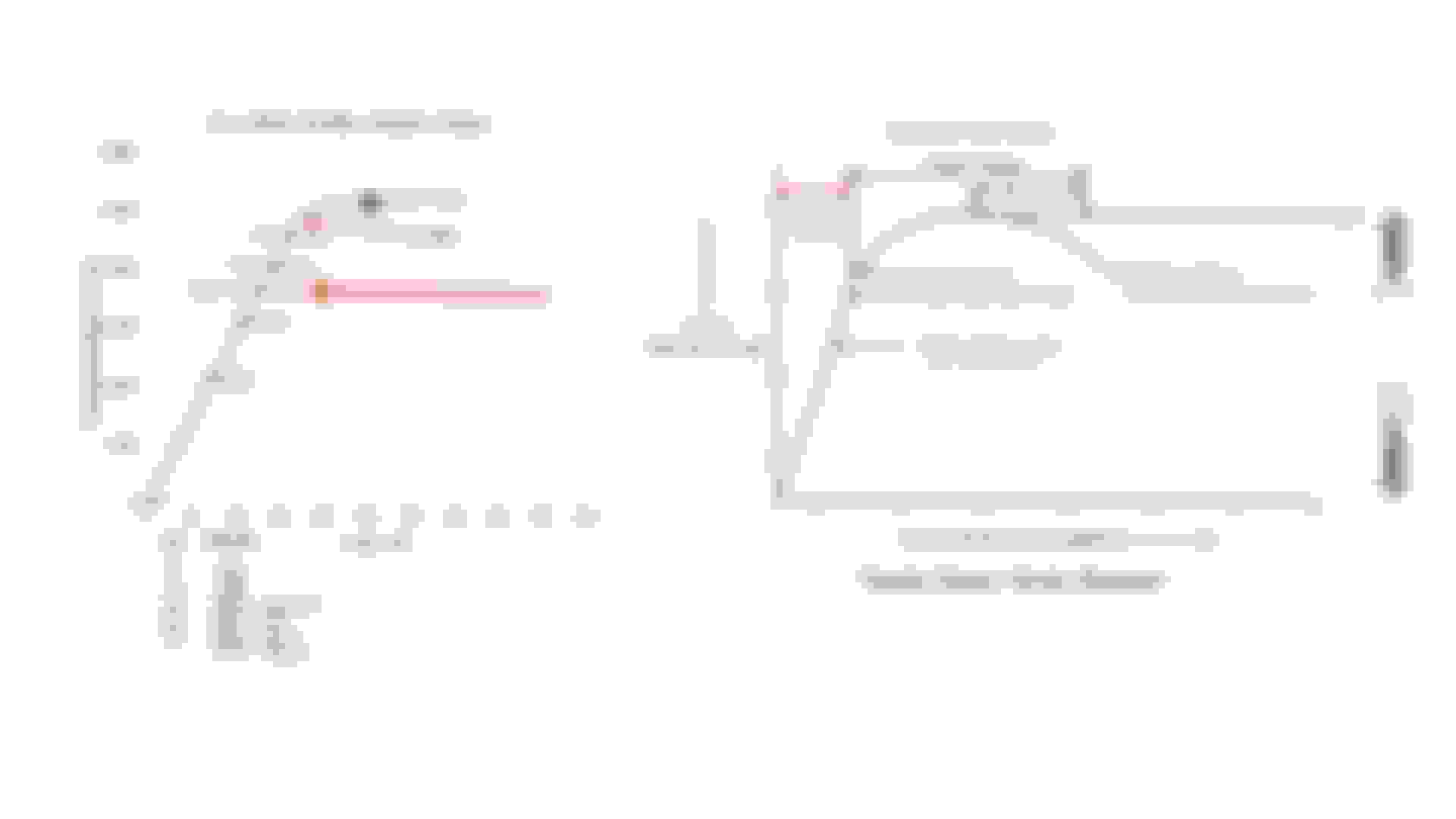
When you enter the post-yield area, you are still elongating the bolt by aligning the metal bonds, but the tension vs elongation curve is laying over. When you do this, rotational errors, i.e., degrees of rotation, have less effect on the tension, so you develop a higher level of consistency bolt to bolt. And much better than you ever will with a 1% accurate torque wrench.
I think your warning really holds true with the crankshaft damper bolts on our engine.
Seems like most forum folks these days aren't the original owners and therefore don't know exactly how many times the TTY bolts (any of them) may have been re-used/re-torqued. I would really be ticked if a shop pulled this on me (and clearly I was thinking of the damper, flywheel bolts specifically when starting this thread). Not a common repair, but connecting rod bolts are reported by some as TTY. Admittedly, I haven't taken the time to look in the manual.
I really hate head bolts in general (or any other critical fastener), not using studs is plain silly. I understand why the manufacturers use bolts, but they suck so bad....
Might be a good idea to order these head bolts from the Ford parts department in advance if you're planning this type of work so the tech has them available when performing the job.
Seems like most forum folks these days aren't the original owners and therefore don't know exactly how many times the TTY bolts (any of them) may have been re-used/re-torqued. I would really be ticked if a shop pulled this on me (and clearly I was thinking of the damper, flywheel bolts specifically when starting this thread). Not a common repair, but connecting rod bolts are reported by some as TTY. Admittedly, I haven't taken the time to look in the manual.
I believe the flexplate are as well, but not certain.
I replaced mine when I had the engine on the stand after reading it somewhere.
Flywheel bolts as well. South Bend specifically sends new bolts along and states you must replace them. I would think any of these critical bolts you would want to change out for new. Admittedly, I have reused head bolts in small gas engines to include motorcycles and 2 stroke snowmobiles with no issues. I would think gas engines are a little different animal than these 4 TTY bolt per cylinder diesels. Interesting conversation…..
If the head bolts are not TTY, they are tightened into the normal "Clamp Load" range; they can be used up to five times.
TTY bolts always tend to be Torque/Angle. You can have situations where 'turn of the nut' or angle is used, but the bolts are not tightened to TTY.
But an easy way, if you have a torque value spec of an application and you want to know if it is TTY, is to compare the bolt's torque spec you're given to a chart torque spec.
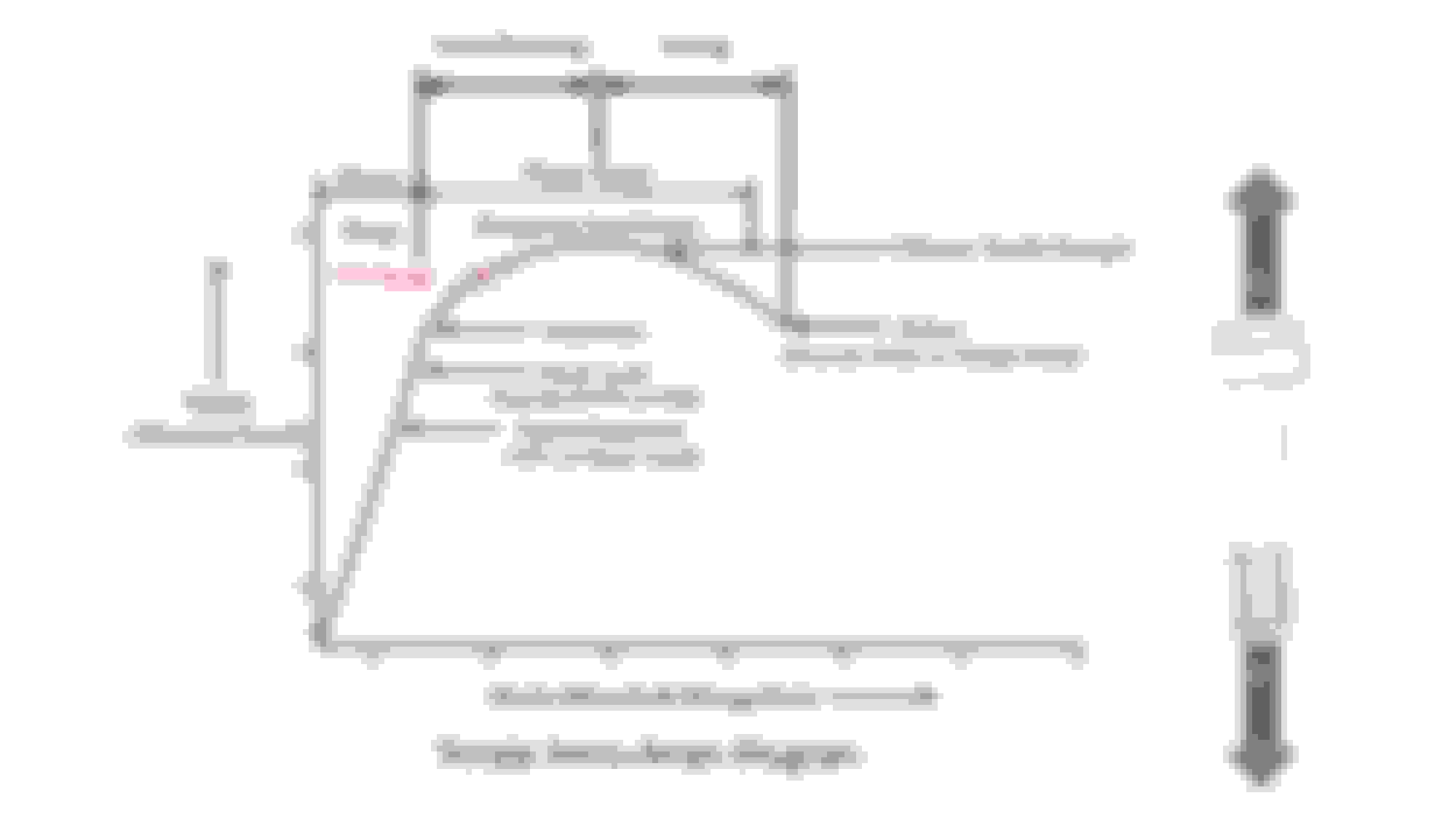
A panel from the video I'm working on this weekend. The segment is about the front damper bolts.
80,400 Newtons = 18,074 lbs.
Keep in mind I lubricated my bolts, somewhat. I measured the torque to rotate the bolts to 90º after the 'setting' the 50lb-ft spec (my case 47.5lb-ft due to the anti-seize). It came up to 178lb-ft. Way over the 128lb-ft "clamp load" spec for the 12.9 grade bolt these are. The manuals do not say these are TTY, just to replace them. They are TTY.
When the service manual states "remove and discard"... I disregard the "discard."
It seems so wasteful. Why fill the landfills? The bolts look perfectly fine to me.
So I keep the old bolts.
In an old bolt can, and use them for unimportant stuff.
For the application being serviced, I always buy new bolts, as the service manual instructed.
I also pay the markup to get the bolts from the OEM, as an the OEM bolt may have elements such as a full diameter shoulder beneath the head, transitioning to a reduced diameter shank matching the root diameter of the threads, rather than a full diameter shank matching the crest diameter of the threads, otherwise called a "stretch" bolt, which is actually depicted in the graphic above. As opposed to an already stretched used bolt. A new "stretch" bolt has the reduced diameter to enable the stretching (and the tensioning that the stretching gives).
OEM bolts also may have optimized coatings for the application, and I don't want to reinvent the wheel or gamble with alternatives that are more commonly available.
In the case of the 6.0L head bolts, the rolled threads extend far up the shank to act as the controlled stretch area, the smaller diameter. The proper nut will not pass up the threads of a used bolt beyond engagement, and a thread scale will show the thread crests are wider down the length.
This Hennessey Takes the Expedition Tremor's Off-Roading Capability to the Next Level
Slideshow: The VelociRaptor Expedition gains a lift, upgraded suspension, Brembo brakes, and trail-ready equipment while retaining the stock 440-horsepower EcoBoost V6.
Rezvani's Latest Post-Apocalyptic Monster Is a Ford F-150 Raptor Underneath
Slideshow: Called the Fortress, the 850-horsepower pickup combines Raptor underpinnings with military-inspired features, survival equipment, and a starting price of $285,000.