


Drip Rail

5th Wheeling


Joined: Feb 2020
Posts: 45
Likes: 11
From: San Jose, CA
Is this the drip rail sealant you would recommend?
The description says
"3M Heavy Drip-Chek Sealer is a heavy-based sealer specifically designed for filling exterior auto body definition seams including roof drip rails on older vehicles. "
The description says
"3M Heavy Drip-Chek Sealer is a heavy-based sealer specifically designed for filling exterior auto body definition seams including roof drip rails on older vehicles. "

Tuned


Joined: May 2014
Posts: 349
Likes: 29
From: NW LA
Is this the drip rail sealant you would recommend?
3M Heavy Drip-Chek Sealer
The description says
"3M Heavy Drip-Chek Sealer is a heavy-based sealer specifically designed for filling exterior auto body definition seams including roof drip rails on older vehicles. "
3M Heavy Drip-Chek Sealer
The description says
"3M Heavy Drip-Chek Sealer is a heavy-based sealer specifically designed for filling exterior auto body definition seams including roof drip rails on older vehicles. "
5th Wheeling
Joined: Feb 2020
Posts: 45
Likes: 11
From: San Jose, CA
Do you have a 3M product that you have used in a drip rail application that you could recommend?
The 3M Heavy Drip-Chek Sealer is the only 3M product that I have found that mentions use in a drip rail application. I've seen SEM products for drip rail applications, but they are quite a bit more complex in application methodology. The Drip-Chek Sealer looks like the easiest product to use for non-professional DIYers.
The 3M Heavy Drip-Chek Sealer is the only 3M product that I have found that mentions use in a drip rail application. I've seen SEM products for drip rail applications, but they are quite a bit more complex in application methodology. The Drip-Chek Sealer looks like the easiest product to use for non-professional DIYers.
Tuned
Joined: May 2014
Posts: 349
Likes: 29
From: NW LA
Do you have a 3M product that you have used in a drip rail application that you could recommend?
The 3M Heavy Drip-Chek Sealer is the only 3M product that I have found that mentions use in a drip rail application. I've seen SEM products for drip rail applications, but they are quite a bit more complex in application methodology. The Drip-Chek Sealer looks like the easiest product to use for non-professional DIYers.
The 3M Heavy Drip-Chek Sealer is the only 3M product that I have found that mentions use in a drip rail application. I've seen SEM products for drip rail applications, but they are quite a bit more complex in application methodology. The Drip-Chek Sealer looks like the easiest product to use for non-professional DIYers.
Tuned


Joined: Sep 2015
Posts: 485
Likes: 51
From: Lincoln, Nebraska
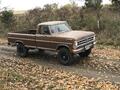
I was ocd on bumpside truck#2 drip rails because #1 had drip rail rust in progress.
I hand tooled all existing sealer out, used a heat gun to soften it. Wire wheeled, then sand blasted it. There’s a weld at the bottom I didn’t want water soaking into. Degreased then used acid etch. I used the aluminized rust bonding ‘masterseries’ paint then seam sealed, then top coated. Major pita but peace of mind for me. On the inside of cab I used undercoating wands to clean/etch/ then used the wax based coating. Don’t know if there was much rust preventative added up in those cavities you can’t see but feel with fingers. .02$
I hand tooled all existing sealer out, used a heat gun to soften it. Wire wheeled, then sand blasted it. There’s a weld at the bottom I didn’t want water soaking into. Degreased then used acid etch. I used the aluminized rust bonding ‘masterseries’ paint then seam sealed, then top coated. Major pita but peace of mind for me. On the inside of cab I used undercoating wands to clean/etch/ then used the wax based coating. Don’t know if there was much rust preventative added up in those cavities you can’t see but feel with fingers. .02$

Thread Starter
|
Fleet Mechanic
Joined: Apr 2017
Posts: 1,391
Likes: 106
From: COSMOS
 Same Way
I was ocd on bumpside truck#2 drip rails because #1 had drip rail rust in progress.
I hand tooled all existing sealer out, used a heat gun to soften it. Wire wheeled, then sand blasted it. There’s a weld at the bottom I didn’t want water soaking into. Degreased then used acid etch. I used the aluminized rust bonding ‘masterseries’ paint then seam sealed, then top coated. Major pita but peace of mind for me. On the inside of cab I used undercoating wands to clean/etch/ then used the wax based coating. Don’t know if there was much rust preventative added up in those cavities you can’t see but feel with fingers. .02$
I hand tooled all existing sealer out, used a heat gun to soften it. Wire wheeled, then sand blasted it. There’s a weld at the bottom I didn’t want water soaking into. Degreased then used acid etch. I used the aluminized rust bonding ‘masterseries’ paint then seam sealed, then top coated. Major pita but peace of mind for me. On the inside of cab I used undercoating wands to clean/etch/ then used the wax based coating. Don’t know if there was much rust preventative added up in those cavities you can’t see but feel with fingers. .02$
I think I read a post where someone took their drip rail off..........oh now I just realized they may removed it but did not put it back......oh I see now
I was thinking you could take it off and reinstall it............this is why I keep asking..........now it appears you cannot do this !!!!!!!
Also will you elaborate on how exactly are these connected to the truck, it appears from this post you can see the rail seam from the inside , I have been to bust to look......
 or even think about it......
Tuned
Joined: May 2014
Posts: 349
Likes: 29
From: NW LA
Look at this thread regarding a drip rail in general...https://www.ford-trucks.com/forums/1...st-repair.html. It has a picture to indicate how the drip rail/roof intersect. _ Tony.
Thread Starter
|
Fleet Mechanic
Joined: Apr 2017
Posts: 1,391
Likes: 106
From: COSMOS

Look at this thread regarding a drip rail in general...https://www.ford-trucks.com/forums/1...st-repair.html. It has a picture to indicate how the drip rail/roof intersect. _ Tony.
 MANY THANKS
FTE Stories
Ford Trucks for Ford Truck Enthusiasts

3 Best / 3 Worst Parts of Modern Ford Ownership
Brett Foote
10 Amazing Upgrades That Solve Common Ford Truck Owner Headaches
Pouria Savadkouei
Every 2026 Ford Engine Explained
Brett Foote
10 Ugly Ford Trucks That We Still Kinda Love
Joe Kucinski
10 Things Every Truck Owner NEEDS (2026 Edition)
Michael S. Palmer
Rezvani's Latest Post-Apocalyptic Monster Is a Ford F-150 Raptor Underneath
Verdad Gallardo
Top 10 Most Expensive Ford Trucks Ever Sold on Bring a Trailer
Joe Kucinski
2027 Ford Super Duty Buyer's Guide (Every Model, Engine, & Package)
Brett Foote
Top 10 Ford Truck Tragedies
Joe Kucinski
Cross-Country
Joined: Jan 2023
Posts: 54
Likes: 15
From: New Mexico
That 3m stuff works great. But a word from the wise mask of any area close and make sure it’s smooth before it dries. It is near impossible to remove or sand and it’s usually applied under final primer coat. Good luck
Tuned
Joined: Sep 2015
Posts: 485
Likes: 51
From: Lincoln, Nebraska
I did drip rails and bed seam with the method In post #20, as bumpsideguy mentioned that seam sealer is tough to get contoured right. I had a ton of rags and a gallon of reducer. The reducer helped thin and remove mistakes or helped smoothing the finish. Kind of the same technique as caulking trim woodwork somewhere between ‘less is more’ and too much sometimes.

Thread
Thread Starter
Forum
Replies
Last Post
gunsandbeer
1973 - 1979 F-100 & Larger F-Series Trucks
2
Apr 15, 2016 01:30 PM