When you click on links to various merchants on this site and make a purchase, this can result in this site earning a commission. Affiliate programs and affiliations include, but are not limited to, the eBay Partner Network.
Where does this line start/stop? A truck from the 40's to even 70's, no matter how rough, is considered a classic with patina if fading or rust is present.
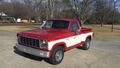
When I'm driving my 97% original '87 (wheels are from a '92), I'm just an old man driving his faded out old truck. Where is the "classic" line? My truck is now 34 years old, but I'm being age discriminated against. I'm too old, and my truck is too young.
It's not fair I tell you. There must be a law passed that sets in stone what the difference between "classic", and just old truck is. We can't let this go on any longer. I demand myself and my truck BOTH be considered "classic".
What say you? Do you fall into this category?
This thread is not intended to be political at all. It's just an observation, and hopefully a conversation, about when a truck is considered a classic, instead of just old. In reality, both my truck and myself are just old, and showing our age.
The only thing you have to watch for when going for "classic" plates is does the state restrict when and how you use the car or truck.
Same goes for insurance you may get for them so be careful how you go with them both.
Dave ----
here we are limited to 2,500 miles per year.
to and from shows and to and from garage for repairs only.
must be garaged, and no daily driver use at all.
same rules for both plates and insurance.
I think the rules a about the same here for classic cars/trucks.
My truck is a semi-daily driver. I will drive it for a week, or several, then switch to the Dodge for the same amount of time. The main difference is taking the Ford to the mountains on dirt roads and in snow since it's 4x4 and the Dodge isn't. In reality, the V-10 in the Dodge isn't much different on gas from the 4.9, since I drive both very easy.
I think the rules a about the same here for classic cars/trucks.
My truck is a semi-daily driver. I will drive it for a week, or several, then switch to the Dodge for the same amount of time. The main difference is taking the Ford to the mountains on dirt roads and in snow since it's 4x4 and the Dodge isn't. In reality, the V-10 in the Dodge isn't much different on gas from the 4.9, since I drive both very easy.
That is about how I drive my Ford, a week or 2 as a daily then switch off to my Dodge Durango.
If I know its going to rain I will not take the Ford to work but that is because of the other stupid drivers out there.
My Dodge, 360 v8 & 4x4, also gets about the same MPG as the 4.9 in the 4x2 pickup.
Dave ----
Kentucky has the same rules regarding only driving antique vehicles to shows, etc. but fortunately they are not enforced. I have owned a couple of dozen classics in the 22 years that I've lived here from a '30 Model A Ford to a '37 Packard to a freshly restored '70 Chevelle SS 396 and have never even been pulled over when I was in one of my old cars. Plus they assume all old cars have a value of $100 so the tax on that is only $6 and the annual cost to renew antique plates is 68 cents. Yes, it's 68 cents, even if you have a mint Duesenberg or a '70 Hemi Cuda. I lived in California from 1977-98 and antique plates there cost several hundred dollars a year depending on the value of the vehicle. I sold my '49 Studebaker pickup last May and am unfortunately done with old cars now due to my age....
Rezvani's Latest Post-Apocalytic Monster Is a Ford F-150 Raptor Underneath
Slideshow: Called the Fortress, the 850-horsepower pickup combines Raptor underpinnings with military-inspired features, survival equipment, and a starting price of $285,000.









 That is about how I drive my Ford, a week or 2 as a daily then switch off to my Dodge Durango.