


quest for reliability

Thread Starter
|
Mountain Pass

Joined: Aug 2003
Posts: 245
Likes: 0
quest for reliability
I've decided to start a thread detailing my journey to make my 6L reliable once again. I have owned the truck since new. I do not drive it more than once per week and that is usually just to keep it active. I bought it when I raced motorcycles in NH (I live in Maine). I honestly do not need a 3/4 ton diesel but after pricing out (even used) 1/2 gas trucks I can't justify spending that much money. Overall my truck has been pretty reliable with only wearable items needing attention except one bad FICM 7 yrs ago. More recently I am at the point where I will not take it to northern Maine in winter towing snowmobiles because I do not trust it to start after sitting in the cold. To date this is what I have done:
1. Installed a Scan Gauge- very helpful in identifying problems / potential problems.
2. install 2 new batteries
3. Noted I need a new FICM (will order this week)
4. Found parasitic draw on my system. Got it from .48A draw down to 6mA.
5. New 140a alt (installed last fall)
6. Checked / cleaned EGR valve (
7. Checked / cleaned EBP sensor and tube. Tube and sensor were 99% plugged up with only a very small hole to the sensor, still registered on Scan gauge but I suspect influenced operation
8. New degass bottle and cap
9. New glow plugs and harness on passenger side
I have not run the truck yet after the last 4 steps. I put a battery tester on my new batteries after a fresh charge and only got 829 and 833 CCA when they are rated at 850. THis was in a garage at 60 deg. Taking back to supplier for testing on their equipment beause I expected much higher than 850 in a heated garage.
Future tasks:
1. replace FICM (listed above)
2. Run bubble test on Degass bottle
3 Replace oil cooler (delta T noted on scan gauge indicates faulty cooler)
4. EGR delete (Maine does not include emission testing for inspection)
5. Turbo cleaning (may as well while its out of the truck)
6. Flush coolant system / install coolant filter
7. Have cylinder contribution test done at local diesel shop
If these steps get my truck reliable enough so that I trust it again I will also have new leather done for the interior and drive the truck another 100k miles.
If anybody sees something else I should be considering please say so.
.
1. Installed a Scan Gauge- very helpful in identifying problems / potential problems.
2. install 2 new batteries
3. Noted I need a new FICM (will order this week)
4. Found parasitic draw on my system. Got it from .48A draw down to 6mA.
5. New 140a alt (installed last fall)
6. Checked / cleaned EGR valve (
7. Checked / cleaned EBP sensor and tube. Tube and sensor were 99% plugged up with only a very small hole to the sensor, still registered on Scan gauge but I suspect influenced operation
8. New degass bottle and cap
9. New glow plugs and harness on passenger side
I have not run the truck yet after the last 4 steps. I put a battery tester on my new batteries after a fresh charge and only got 829 and 833 CCA when they are rated at 850. THis was in a garage at 60 deg. Taking back to supplier for testing on their equipment beause I expected much higher than 850 in a heated garage.
Future tasks:
1. replace FICM (listed above)
2. Run bubble test on Degass bottle
3 Replace oil cooler (delta T noted on scan gauge indicates faulty cooler)
4. EGR delete (Maine does not include emission testing for inspection)
5. Turbo cleaning (may as well while its out of the truck)
6. Flush coolant system / install coolant filter
7. Have cylinder contribution test done at local diesel shop
If these steps get my truck reliable enough so that I trust it again I will also have new leather done for the interior and drive the truck another 100k miles.
If anybody sees something else I should be considering please say so.
.

Tuned
Joined: Jan 2002
Posts: 409
Likes: 106
From: Wasilla
Just a quick note about removing the EGR, I would not remove it unless you either; make modifications to better cool the engine i.e.4" turbo back exhaust, & intercooler upgrade or do not tow heavy loads or work it too hard. The reason is that the Factory programming commands EGR flow at high load/temps to reduce combustion temps, (not what I would have done, I would favor a fueling reduction to control temps) but that is not what they did, they used EGR to lower combustion temperature. As a consequence if you delete the EGR system and continue to work it like a truck you may damage it. https://www.ficmrepair.com/index.cfm can help with the FICM or most anything else you may need. Good Luck, Russ
Thread Starter
|
Mountain Pass
Joined: Aug 2003
Posts: 245
Likes: 0
Just a quick note about removing the EGR, I would not remove it unless you either; make modifications to better cool the engine i.e.4" turbo back exhaust, & intercooler upgrade or do not tow heavy loads or work it too hard. The reason is that the Factory programming commands EGR flow at high load/temps to reduce combustion temps, (not what I would have done, I would favor a fueling reduction to control temps) but that is not what they did, they used EGR to lower combustion temperature. As a consequence if you delete the EGR system and continue to work it like a truck you may damage it. https://www.ficmrepair.com/index.cfm can help with the FICM or most anything else you may need. Good Luck, Russ

Cargo Master
Joined: Feb 2002
Posts: 2,414
Likes: 22
From: Tucson USA
Trending Topics

Fleet Mechanic


Joined: May 2010
Posts: 1,480
Likes: 161
From: West by God Virginyuh
Just a quick note about removing the EGR, I would not remove it unless you either; make modifications to better cool the engine i.e.4" turbo back exhaust, & intercooler upgrade or do not tow heavy loads or work it too hard. The reason is that the Factory programming commands EGR flow at high load/temps to reduce combustion temps, (not what I would have done, I would favor a fueling reduction to control temps) but that is not what they did, they used EGR to lower combustion temperature. As a consequence if you delete the EGR system and continue to work it like a truck you may damage it. https://www.ficmrepair.com/index.cfm can help with the FICM or most anything else you may need. Good Luck, Russ
FTE Stories
Ford Trucks for Ford Truck Enthusiasts

Top 10 Fords at 2026 Carlisle Ford Nationals
Joe Kucinski
3 Best / 3 Worst Parts of Modern Ford Ownership
Brett Foote
10 Amazing Upgrades That Solve Common Ford Truck Owner Headaches
Pouria Savadkouei
Every 2026 Ford Engine Explained
Brett Foote
10 Ugly Ford Trucks That We Still Kinda Love
Joe Kucinski
10 Things Every Truck Owner NEEDS (2026 Edition)
Michael S. Palmer
Rezvani's Latest Post-Apocalyptic Monster Is a Ford F-150 Raptor Underneath
Verdad Gallardo
Top 10 Most Expensive Ford Trucks Ever Sold on Bring a Trailer
Joe Kucinski
2027 Ford Super Duty Buyer's Guide (Every Model, Engine, & Package)
Brett Foote
Tuned
Joined: Jan 2002
Posts: 409
Likes: 106
From: Wasilla
Yes that is the normal function of EGR, however specific to the 6.0 it is also used to protect the engine at high loads. Remember the 6.0 was "tuned" by Ford to produce 75+ more horsepower than Navistar supplied. If you just delete the EGR, make no other supporting modifications, and then use truck to its capability as rated by Ford you run a high risk of causing engine damage. The engine is a system and if modified should to be modified as a complete system in order to be reliable. My .02, Russ

Former Vendor
Joined: Feb 2010
Posts: 1,803
Likes: 5
I very much much need to shoot a video on this for YouTube. For now, though, I’d be very happy to have a call with you. There is a ton to consider.
For starters, if you are going to replace the dummy plugs and standpipes, consider also the injector cup nipples and their corresponding orings.
We are a soup to nuts solutions/parts provider and rep for essentially everyone at prices that won’t be beat.
Ed
For starters, if you are going to replace the dummy plugs and standpipes, consider also the injector cup nipples and their corresponding orings.
We are a soup to nuts solutions/parts provider and rep for essentially everyone at prices that won’t be beat.
Ed
Thread Starter
|
Mountain Pass
Joined: Aug 2003
Posts: 245
Likes: 0
I very much much need to shoot a video on this for YouTube. For now, though, I’d be very happy to have a call with you. There is a ton to consider.
For starters, if you are going to replace the dummy plugs and standpipes, consider also the injector cup nipples and their corresponding orings.
We are a soup to nuts solutions/parts provider and rep for essentially everyone at prices that won’t be beat.
Ed
For starters, if you are going to replace the dummy plugs and standpipes, consider also the injector cup nipples and their corresponding orings.
We are a soup to nuts solutions/parts provider and rep for essentially everyone at prices that won’t be beat.
Ed
Fleet Owner

Joined: Nov 2003
Posts: 27,921
Likes: 3,638

I know a lot of people recommend the nipple cup o-rings and the top injector o-rings, but I have to agree with DieselTechRon. Most of the time they are a problem is when they have been "messed with" or if the rail was crammed on without lubricating the top of the injector. Just communicating my experience and perspective - as always, YMMV.
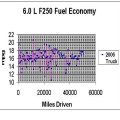
That said, know that a lot of 6.0L trucks are well over 200k miles, that could certainly change the data! So I guess I would ask first how many miles you have on the truck?
A recent thread about injectors show that MANY of them last over 200k miles without issue (and the implication is that the original o-rings have also lasted that long also).
That said, know that a lot of 6.0L trucks are well over 200k miles, that could certainly change the data! So I guess I would ask first how many miles you have on the truck?
A recent thread about injectors show that MANY of them last over 200k miles without issue (and the implication is that the original o-rings have also lasted that long also).
Fleet Mechanic
Joined: May 2010
Posts: 1,480
Likes: 161
From: West by God Virginyuh
Yes that is the normal function of EGR, however specific to the 6.0 it is also used to protect the engine at high loads. Remember the 6.0 was "tuned" by Ford to produce 75+ more horsepower than Navistar supplied. If you just delete the EGR, make no other supporting modifications, and then use truck to its capability as rated by Ford you run a high risk of causing engine damage. The engine is a system and if modified should to be modified as a complete system in order to be reliable. My .02, Russ