




Injector pump self destruct

Thread Starter
|
5th Wheeling

Joined: May 2016
Posts: 39
Likes: 7
Injector pump self destruct
I just got the word from my mechanic that my injector pump is sending metal fragments through my fuel system. This resulted in me replacing a fuel rail sensor and one injector (so far). To replace the pump requires removal of the cab and all that entails. I then did an internet search and found a class action suit against ford in regards to the CP4 fuel injection pump. That pump is installed on 6.7L diesels 2011 - present. So my question is, does anyone have any facts about what percentage of trucks with this pump fail in this way?
I want to buy a replacement truck (instead of the huge repair bill) but no other truck is rated as high on reliability (consumers reports) as this year (2016 ford f350). Should I buy another 2016 Ford F350 and hope the fuel pump doesn't implode?
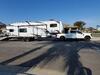
Does anyone have any other realistic 5th wheel tow option other than Ram, Ford, Chevy, GMC?
I want to buy a replacement truck (instead of the huge repair bill) but no other truck is rated as high on reliability (consumers reports) as this year (2016 ford f350). Should I buy another 2016 Ford F350 and hope the fuel pump doesn't implode?
Does anyone have any other realistic 5th wheel tow option other than Ram, Ford, Chevy, GMC?

Post Fiend
Joined: Nov 2001
Posts: 6,748
Likes: 118
From: Tallassee, ALabama
It is easy to lift the cab on the trucks. Most dealers that do the engine repairs such as this will lift the cab with finders intact.
If you do a search you will see that the percentage of failures is not excessive or very high or so it appears to me. Of the millions of 6.7 engines on the highway, I see very few reports of CP4 failure in the 5 forums I visit. Most of the failures seem to center around water in the fuel or gasoline in the fuel.
Ford does make a fuel system repair kit to cut down on the individual part prices. The time to install is approx 40-50 hours.
The part numbers for the kit is EC3Z-9B246-B. Kit cost is between 3000 and 3500 plus a 1500 core fee for the old CP4 pump (refundable)
If you do a search you will see that the percentage of failures is not excessive or very high or so it appears to me. Of the millions of 6.7 engines on the highway, I see very few reports of CP4 failure in the 5 forums I visit. Most of the failures seem to center around water in the fuel or gasoline in the fuel.
Ford does make a fuel system repair kit to cut down on the individual part prices. The time to install is approx 40-50 hours.
The part numbers for the kit is EC3Z-9B246-B. Kit cost is between 3000 and 3500 plus a 1500 core fee for the old CP4 pump (refundable)

Logistics Pro


Joined: Mar 2012
Posts: 3,507
Likes: 121
From: Oregon
I know what's in the kit. I have done several of them at work. It can usually be done it 2-3 days if you are focused and know what your doing. Book time for that job actually comes out to under 20hrs if I remember correctly.
Trending Topics
Thread Starter
|
5th Wheeling
Joined: May 2016
Posts: 39
Likes: 7
Well it appears my truck gets a reprieve. My wife insisted we buy the extended warrantee plan when we purchased this truck used (due to our bad luck with the previous truck) and that may save us. Assuming I can get them to pay for the repairs, we will keep this truck (which we love) and just get it repaired.
So that leads me to some questions.
The repairs we had already done (one injector and fuel rail sensor replaced) were done outside the extended warrantee (we didn’t remember we had it and were on a tight timeline to get it fixed before taking it on a 10 day vacation anyway). I don’t know if the extended warrantee company will take our repair company’s evidence of metal fragments in the system. Is there an easy diagnostic to find this sort of problem? I am thinking in terms of getting them to recognize a problem exists if they won’t take my repair companies documentation as evidence.
Q2. I have heard of a fuel-pump-implosion-prevention-kit. What is this thing, what does it cost to buy and install (together). Does it prevent the fuel pump implosion or does it just prevent downstream damage should the fuel pump implode?
Q3. My dad talks about a fuel additive that will disperse water in fuel such that it will be harmless and pass through the injectors with the fuel. Does anyone know what he is talking about and does it have merit in preventing this in the future?
So that leads me to some questions.
The repairs we had already done (one injector and fuel rail sensor replaced) were done outside the extended warrantee (we didn’t remember we had it and were on a tight timeline to get it fixed before taking it on a 10 day vacation anyway). I don’t know if the extended warrantee company will take our repair company’s evidence of metal fragments in the system. Is there an easy diagnostic to find this sort of problem? I am thinking in terms of getting them to recognize a problem exists if they won’t take my repair companies documentation as evidence.
Q2. I have heard of a fuel-pump-implosion-prevention-kit. What is this thing, what does it cost to buy and install (together). Does it prevent the fuel pump implosion or does it just prevent downstream damage should the fuel pump implode?
Q3. My dad talks about a fuel additive that will disperse water in fuel such that it will be harmless and pass through the injectors with the fuel. Does anyone know what he is talking about and does it have merit in preventing this in the future?
FTE Stories
Ford Trucks for Ford Truck Enthusiasts

3 Best / 3 Worst Parts of Modern Ford Ownership
Brett Foote
10 Amazing Upgrades That Solve Common Ford Truck Owner Headaches
Pouria Savadkouei
Every 2026 Ford Engine Explained
Brett Foote
10 Ugly Ford Trucks That We Still Kinda Love
Joe Kucinski
10 Things Every Truck Owner NEEDS (2026 Edition)
Michael S. Palmer
Rezvani's Latest Post-Apocalyptic Monster Is a Ford F-150 Raptor Underneath
Verdad Gallardo
Top 10 Most Expensive Ford Trucks Ever Sold on Bring a Trailer
Joe Kucinski
2027 Ford Super Duty Buyer's Guide (Every Model, Engine, & Package)
Brett Foote
Top 10 Ford Truck Tragedies
Joe Kucinski
Fleet Mechanic
Joined: Jan 2016
Posts: 1,804
Likes: 113
Hopefully you don't have to pay and the extended warranty will. Does the policy specify who has to do the repairs? If not then I would take it directly to a Ford dealer and let them do the work. FWIW, I have done a 6.7 in a 2011. It took me a couple of days to do it and I wasn't on it steady. You do not have to pull cab for the pump on a 6.7.
Posting Guru
Joined: Aug 2007
Posts: 1,902
Likes: 26
From: BA, OK
Apparently the disaster prevention kit only prevents damage to the injectors and rails downstream of the pump. The pump will still grenade if contaminated.
You do not want to use any additive that emulsify the water and pass it through the system. This water is what grenades the injection pump. You want to use a demulsifier that separates the water from the fuel so the fuel filters can catch it.
You do not want to use any additive that emulsify the water and pass it through the system. This water is what grenades the injection pump. You want to use a demulsifier that separates the water from the fuel so the fuel filters can catch it.

Thread
Thread Starter
Forum
Replies
Last Post
McQ
Pre-Power Stroke Diesel (7.3L IDI & 6.9L)
9
Jun 22, 2012 07:20 PM
Service462
General Diesel Discussion
3
Jul 30, 2009 10:01 PM