7.3L V8

Thread Starter
|
Fleet Mechanic
Joined: Feb 2004
Posts: 1,379
Likes: 9
From: midwest
never say never, chevy is upping the horsepower wars and dodge is coming out with a couple new hemis in their pickups so it should get interesting...how bout an ohv 5.0L?!? maybe a baby godzilla if it turns out to be a success
the last 2003 7.3L powerstroke had 275/525 with a 4 speed...kind of ironic if 17 years later and the 7.3 gas would have 525 ft lbs or more
the last 2003 7.3L powerstroke had 275/525 with a 4 speed...kind of ironic if 17 years later and the 7.3 gas would have 525 ft lbs or more

Elder User
Joined: Mar 2017
Posts: 764
Likes: 30
The new 7.3L is n/a; no turbo. Therefore it is constrained by certain limitations as to breathing and volumetric efficiency. It is intended to be a lower rpm engine; 2v head design and OHV. No 4v OHC here. Therefore it will be strong on the bottom end, but it cannot perform miracles. I SERIOUSLY doubt it would come anywhere near 600 ft-lb of torque. The old 7.5L "460" back in the day of high compression ran 500 fl-lb at 3600 rpm. The 8.1L GM motor from the last decade ran 450 ft-lb at 3400 rpm. This 7.3L will be somewhere in the low 500 range; no more than 540 at the very best (a bit above my estimate, but it's possible). Given that cylinder head design and intake manifold design can now combine with better fuel injection items and VVT, I can reasonably see at or less than 540 ft-lb. But you're all dreaming if you think 600 ft-lb is going to be the factory number. Could it be tuned by the aftermarket? Maybe, but that's a stretch. This new 7.3L is being made to be a gas alternative to the diesel longevity, low rpm approach. It's not that a 6.2L won't last a long time; it certainly will. But you have to rev up a 6.2L to hit the torque peak at 3850, and 5750 for the HP peak. While that does not bother me at all, it's also quite a bit of noise and fuel consumed. An engine making 500+ ft-lb, in a very reliable rpm range, will be very successful.
Plus, it will have the benefit of the new HD 10spd trans as well. So, making 500+ ft-lb with a steep rear ring gear will provide a very good starting thrust value, and then the trans will allow a wide range of gears to tailor the vehicle speed to the engine power band (between peak torque and peak HP).
Just because this engine is slated to fall between the 6.2L and the 6.7L, does not mean it will be exactly 1/2 way between those engines in terms of torque production. It's likely to be closer to the 6.2L engine than the 6.7L engine; much closer. If you took the 6.2L with it's 430 ft-lb, and added 20% torque, it would be around 516 ft-lb. So if the 7.3L engine has 20% more torque than the 6.2L, but achieves it at a lower rpm, that's going to help longevity. The VVT will help here; it will broaden the powerband (from peak to peak). And, even if it makes peak torque at say 3600rpm, it may also make good torque below that. It may make 80% of that peak value at 3000 rpm, for example (80% of 516 is 412 ft-lb at maybe 3000rpm?) before it falls off the torque curve and plummets.
We won't know until the real numbers are released, but I think some of you are being overly optimistic.
I would love to be wrong; I'd love to see 600 ft-lb. But that is a BIG stretch from 7.3L of 2v naturally aspirated factory heads if you ask me.
Plus, it will have the benefit of the new HD 10spd trans as well. So, making 500+ ft-lb with a steep rear ring gear will provide a very good starting thrust value, and then the trans will allow a wide range of gears to tailor the vehicle speed to the engine power band (between peak torque and peak HP).
Just because this engine is slated to fall between the 6.2L and the 6.7L, does not mean it will be exactly 1/2 way between those engines in terms of torque production. It's likely to be closer to the 6.2L engine than the 6.7L engine; much closer. If you took the 6.2L with it's 430 ft-lb, and added 20% torque, it would be around 516 ft-lb. So if the 7.3L engine has 20% more torque than the 6.2L, but achieves it at a lower rpm, that's going to help longevity. The VVT will help here; it will broaden the powerband (from peak to peak). And, even if it makes peak torque at say 3600rpm, it may also make good torque below that. It may make 80% of that peak value at 3000 rpm, for example (80% of 516 is 412 ft-lb at maybe 3000rpm?) before it falls off the torque curve and plummets.
We won't know until the real numbers are released, but I think some of you are being overly optimistic.
I would love to be wrong; I'd love to see 600 ft-lb. But that is a BIG stretch from 7.3L of 2v naturally aspirated factory heads if you ask me.
Super Moderator


Joined: Aug 2003
Posts: 25,479
Likes: 742
From: Isanti, MN

The current 5.0L is a 32V DOHC technological marvel, which is why can make as much power as it does. Going back 30 years in technology with would have it produce less power, not more. In the interviews with the engineer for the 7.3 they explain the benefit of cam in block, which is primarily cost and engine size. So unless you're trying to squeeze a 5.0 into something other than a truck, I don't see the point.
Remember the torque curve has nothing to do with where the cam is located. Camshaft timing and profile is what determines that, and engineers can optimize Torque Curve with either valvetrain design. A good example is the original 5.4l OHC engine which was cammed to be a stump puller. Until the PI heads came about in 2000, it was quite weak on the top-end with a brutally strong low RPM range starting at 1500. The Cummins ISX heavy truck engine is a 15.2L brute that powers semi trucks, and it's a DOHC design that redlines around 2,100 RPM.
Thread Starter
|
Fleet Mechanic
Joined: Feb 2004
Posts: 1,379
Likes: 9
From: midwest
not a fan of 10 ft timing chains, tensioners, and guides...Keep It Simple Stupid
chevy got 460 ft lbs out of a 6.2l ohv. not sure how much DI helps with power so much as emissions?
chevy got 460 ft lbs out of a 6.2l ohv. not sure how much DI helps with power so much as emissions?

Senior User
Joined: Jul 2018
Posts: 137
Likes: 0
600 lb/ft is extremely unlikely to happen.
For comparison, the Viper V10 has never made more than 600 lb-ft, despite being 8.4L, having high performance heads, running on premium fuel, and having 'cam-in-cam' true variable valve timing, where the intake and exhaust valves can be adjusted independently.
The 7.3L will be designed for durability and low cost of manufacturing and operation. I'd expect to see 500-525 lb-ft.
For comparison, the Viper V10 has never made more than 600 lb-ft, despite being 8.4L, having high performance heads, running on premium fuel, and having 'cam-in-cam' true variable valve timing, where the intake and exhaust valves can be adjusted independently.
The 7.3L will be designed for durability and low cost of manufacturing and operation. I'd expect to see 500-525 lb-ft.

Cross-Country
Joined: Dec 2016
Posts: 64
Likes: 18
The new 7.3L is n/a; no turbo. Therefore it is constrained by certain limitations as to breathing and volumetric efficiency. It is intended to be a lower rpm engine; 2v head design and OHV. No 4v OHC here. Therefore it will be strong on the bottom end, but it cannot perform miracles. I SERIOUSLY doubt it would come anywhere near 600 ft-lb of torque. The old 7.5L "460" back in the day of high compression ran 500 fl-lb at 3600 rpm. The 8.1L GM motor from the last decade ran 450 ft-lb at 3400 rpm. This 7.3L will be somewhere in the low 500 range; no more than 540 at the very best (a bit above my estimate, but it's possible). Given that cylinder head design and intake manifold design can now combine with better fuel injection items and VVT, I can reasonably see at or less than 540 ft-lb. But you're all dreaming if you think 600 ft-lb is going to be the factory number. Could it be tuned by the aftermarket? Maybe, but that's a stretch. This new 7.3L is being made to be a gas alternative to the diesel longevity, low rpm approach. It's not that a 6.2L won't last a long time; it certainly will. But you have to rev up a 6.2L to hit the torque peak at 3850, and 5750 for the HP peak. While that does not bother me at all, it's also quite a bit of noise and fuel consumed. An engine making 500+ ft-lb, in a very reliable rpm range, will be very successful.
Plus, it will have the benefit of the new HD 10spd trans as well. So, making 500+ ft-lb with a steep rear ring gear will provide a very good starting thrust value, and then the trans will allow a wide range of gears to tailor the vehicle speed to the engine power band (between peak torque and peak HP).
Just because this engine is slated to fall between the 6.2L and the 6.7L, does not mean it will be exactly 1/2 way between those engines in terms of torque production. It's likely to be closer to the 6.2L engine than the 6.7L engine; much closer. If you took the 6.2L with it's 430 ft-lb, and added 20% torque, it would be around 516 ft-lb. So if the 7.3L engine has 20% more torque than the 6.2L, but achieves it at a lower rpm, that's going to help longevity. The VVT will help here; it will broaden the powerband (from peak to peak). And, even if it makes peak torque at say 3600rpm, it may also make good torque below that. It may make 80% of that peak value at 3000 rpm, for example (80% of 516 is 412 ft-lb at maybe 3000rpm?) before it falls off the torque curve and plummets.
We won't know until the real numbers are released, but I think some of you are being overly optimistic.
I would love to be wrong; I'd love to see 600 ft-lb. But that is a BIG stretch from 7.3L of 2v naturally aspirated factory heads if you ask me.
Plus, it will have the benefit of the new HD 10spd trans as well. So, making 500+ ft-lb with a steep rear ring gear will provide a very good starting thrust value, and then the trans will allow a wide range of gears to tailor the vehicle speed to the engine power band (between peak torque and peak HP).
Just because this engine is slated to fall between the 6.2L and the 6.7L, does not mean it will be exactly 1/2 way between those engines in terms of torque production. It's likely to be closer to the 6.2L engine than the 6.7L engine; much closer. If you took the 6.2L with it's 430 ft-lb, and added 20% torque, it would be around 516 ft-lb. So if the 7.3L engine has 20% more torque than the 6.2L, but achieves it at a lower rpm, that's going to help longevity. The VVT will help here; it will broaden the powerband (from peak to peak). And, even if it makes peak torque at say 3600rpm, it may also make good torque below that. It may make 80% of that peak value at 3000 rpm, for example (80% of 516 is 412 ft-lb at maybe 3000rpm?) before it falls off the torque curve and plummets.
We won't know until the real numbers are released, but I think some of you are being overly optimistic.
I would love to be wrong; I'd love to see 600 ft-lb. But that is a BIG stretch from 7.3L of 2v naturally aspirated factory heads if you ask me.
As far as torque values at lower rpm, I'm expecting more than 80% of peak at 3000 rpm especially given that its a large displacement engine. As a point of comparison, the BBC 8.1 you reference made over 400 ft-lb of its 455 ft-lb peak from about 1300 rpm on up. Even the Ford 6.2 was advertised to produce over 350 ft-lb of its 405 ft-lb peak (2011-2016) from about 2000 rpm on up. These larger displacement gas engines tuned for towing make torque early, and the 7.3 will be no exception; cant wait for the actual numbers.
Senior User
Joined: Jul 2018
Posts: 137
Likes: 0

But I was careful to say it never made 'more' than 600....
FTE Stories
Ford Trucks for Ford Truck Enthusiasts

Top 10 Most Expensive Ford Trucks Ever Sold on Bring a Trailer
Joe Kucinski
2027 Ford Super Duty Buyer's Guide (Every Model, Engine, & Package)
Brett Foote
Top 10 Ford Truck Tragedies
Joe Kucinski
AEV FXL Super Duty - the Super Duty Raptor Ford Doesn't Make
Brett Foote
Lobo Vs Lobo: Proof the F-150 Lobo Should Be Even Lower!
Michael S. Palmer
Ford's 2001 Explorer Sportsman Concept Looks For a New Home
Verdad Gallardo
10 Best Ford Truck Engines We Miss the Most!
Joe Kucinski
2026 Shelby F-150 Off-Road: Better Than a Raptor R?
Brett Foote
2027 Super Duty Carhartt Package First Look: 12 Things You NEED to Know!
Michael S. Palmer
Postmaster
Joined: Jul 2015
Posts: 4,392
Likes: 22
From: very South Texas
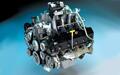
I like to know if the High runner intake manifold shown. is a single or duel path unit...
long runner for torque.. and short runner for Horsepower...aka late 80's Acura V6.... it worked well.
computer controlled path plates for what is needed.
long runner for torque.. and short runner for Horsepower...aka late 80's Acura V6.... it worked well.
computer controlled path plates for what is needed.


Elder User
Joined: Mar 2017
Posts: 764
Likes: 30
Let's just pray that the new 7.3L gasser does not have some underlying Achilles heel yet to be discovered after a year or two in the market. Overall, it looks quite simple and robust. But there are times when engineering model-based designs cannot prescribe every manner in which people can break stuff out in the field. Let's just hope this is a RELIABLE engine. The torque will be there (my guess is low 500 range). The simplicity is there in serviceability. Just make it reliable and we're home free!
Do I want one? Yes! Will I go out and buy a first model year? Nope! I'll hang onto my 6.2L for a few years until I see there's no unsettling issue with the new 7.3L.
Do I want one? Yes! Will I go out and buy a first model year? Nope! I'll hang onto my 6.2L for a few years until I see there's no unsettling issue with the new 7.3L.