


Another aod question
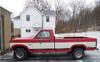
Mountain Pass

Joined: Jul 2018
Posts: 128
Likes: 1
Lariat 85,
I am a little late, but I wanted to thank you for your response.
I will get the Red Rider out on the road this weekend and see how she is shifting.
Quick question: When you mean change the transmission fluid but do not flush it - I assume that this process is like when I change the motor oil in a car. I drain it, put a new filter on it and refill. Frankly, I would not know how to flush a transmission of all its fluid - and in this case it's probably a good thing that I don't know how to do it.
Thanks again.
I am a little late, but I wanted to thank you for your response.
I will get the Red Rider out on the road this weekend and see how she is shifting.
Quick question: When you mean change the transmission fluid but do not flush it - I assume that this process is like when I change the motor oil in a car. I drain it, put a new filter on it and refill. Frankly, I would not know how to flush a transmission of all its fluid - and in this case it's probably a good thing that I don't know how to do it.
Thanks again.

Post Fiend
Joined: Feb 2008
Posts: 5,831
Likes: 121
From: St Albert, Alberta
No, it's not the same. With a Lokar TV cable, you can adjust both the coarse setting at the end fitting and fine tine it with the adjusting screws on the threaded sleeve. You really need both settings to get it right. Again, you will not be able to fine tune the TV pressure if the Ford TV rod is rigged to an aftermarket TV cable adapter bracket. Unless you get lucky, it is very difficult to dial in the TV pressure within a few pounds by the trunnion block alone. That is why Ford and Lokar went through the trouble of providing a way to fine tune the TV pressure. 
You know I am right, Matthew. So let's stop with this nonsense.
You know I am right, Matthew. So let's stop with this nonsense.
You have zero experience with these set ups, or even touched one or even laid eyes on one And you seem to think you know what you are talking about, Narcissistic much.....
Post Fiend
Joined: Feb 2008
Posts: 5,831
Likes: 121
From: St Albert, Alberta
Gents,
After reading this thread I think that what I have going on with my truck applies here. Not sure. Need your opinions.
I am a new owner of a 1986 Ford F-150 XLT Lariat 4X4. It has a 302 EFI engine and the AOD transmission (I went under the truck and counted the bolts and compared it to the Haynes Manual).
The truck drives well but I think that it shifts "hard" into gear when driving. Usually if I start off slow from a stop it shifts into each gear ok - no jolt so to speak. But sometimes if I am starting from a stop with more acceleration then from gear to gear it shifts "hard" (maybe up to 35-40 MPH- I think??) and it will drop down into gear hard too on occasion. The transmission does not slip as if it is going out (had that before on a different car), but it's the hard shift that has me looking at the forums for a possible cause.
The odometer reads 49,200 or so. I am the 4th owner of the truck so do not know if these are the only miles or if the odometer is actually 149,200. I would not know how to tell if the odometer has rolled over. (The truck body is in amazing condition - no rust. Not that this is an indicator.)
My questions:
1) Could the possible cause of my hard shifting be the TV cable that you all talk about? Would an adjustment of this cable stop this hard shift? From the thread it seems like it could be this TV cable that I see under the truck.
2) Transmission issue: Could the fluid need to be changed? Again, I do not know what the true miles on the truck are (49,200 or 149,200). Transmission fluid level is fine (actually it is reading a little higher than the normal range - I added a little too much). The transmission fluid is dirty - no longer red but the color of dirty oil. Should I pull the plug and drain some fluid out so it is more in the normal range? It was hard shifting before I added fluid. Should I take it to a garage and have them drain all the fluid and replace it with fresh fluid? I have read on the Internet where some say "leave the transmission fluid alone if you have high miles" while others say to change it. Not sure who is right in that debate.
Sorry for these stupid questions but I am NOT a mechanic. I am learning as I go which is why I joined this group. I have waited 36 years to own this dream truck so I want to keep it running.
I hope that I gave you enough information to give an opinion.
After reading this thread I think that what I have going on with my truck applies here. Not sure. Need your opinions.
I am a new owner of a 1986 Ford F-150 XLT Lariat 4X4. It has a 302 EFI engine and the AOD transmission (I went under the truck and counted the bolts and compared it to the Haynes Manual).
The truck drives well but I think that it shifts "hard" into gear when driving. Usually if I start off slow from a stop it shifts into each gear ok - no jolt so to speak. But sometimes if I am starting from a stop with more acceleration then from gear to gear it shifts "hard" (maybe up to 35-40 MPH- I think??) and it will drop down into gear hard too on occasion. The transmission does not slip as if it is going out (had that before on a different car), but it's the hard shift that has me looking at the forums for a possible cause.
The odometer reads 49,200 or so. I am the 4th owner of the truck so do not know if these are the only miles or if the odometer is actually 149,200. I would not know how to tell if the odometer has rolled over. (The truck body is in amazing condition - no rust. Not that this is an indicator.)
My questions:
1) Could the possible cause of my hard shifting be the TV cable that you all talk about? Would an adjustment of this cable stop this hard shift? From the thread it seems like it could be this TV cable that I see under the truck.
2) Transmission issue: Could the fluid need to be changed? Again, I do not know what the true miles on the truck are (49,200 or 149,200). Transmission fluid level is fine (actually it is reading a little higher than the normal range - I added a little too much). The transmission fluid is dirty - no longer red but the color of dirty oil. Should I pull the plug and drain some fluid out so it is more in the normal range? It was hard shifting before I added fluid. Should I take it to a garage and have them drain all the fluid and replace it with fresh fluid? I have read on the Internet where some say "leave the transmission fluid alone if you have high miles" while others say to change it. Not sure who is right in that debate.
Sorry for these stupid questions but I am NOT a mechanic. I am learning as I go which is why I joined this group. I have waited 36 years to own this dream truck so I want to keep it running.
I hope that I gave you enough information to give an opinion.
Dexron when it ages oxidizes and darkens as it's additive package breaks down just, this will impact the performance of the trans . Also if the the fluid smells burnt it is time to consider a rebuild. As the trans is doomed and failure is going to happen. If the fluid is dark and smells burnt and the trans is working do not change the fluid. The trans is doomed either way but changing it may hasten it;s demise.
If the fluid is dark but not burnt change it and best to flush it.
Not changing the fluid in high mile transmissions is a myth for modern transmissions (70's and newer) and was applicable to the original Dexron and Type A. As both of these fluids contained whale oil as part of the package ,and would leave deposits, when the whale oil was removed from trans fluid the new formulas would generally dissolve the deposits left by the whale oils and end up causing issues.
To fully drain the trans you will have to pull the trans pan and remove the flywheel inspection plate and drain the torque converter.
As for flushing it's fine if done by pump inlet flushing.
Trans Cooler line flushing should be avoided regardless of mileage. The machine hooks up to the tran cooler lines and flush the trans through the cooler lines. These types of flushes do not clean the pan and any crude that is flushed out of the trans ends up in the pan that can potentially cause issues down the road..
Pump inlet flushing requires the removal of the pan and filter and the trans is flushed through the pump inlet the fluid makes one pass through the trans and is collected. Unlike in trans cooler flushing where the fluid recirculated and gradually diluted with new fluid. Any crud or garbage or deposits that flushed free are flushed out of the trans.
Flushing is fine as long as it is a pump inlet flush that rinses the trans clean and does not recirculate the fluid..
If you are unable to have a pump inlet flush done then just drain and replace.

Super Moderator


Joined: Apr 2004
Posts: 34,517
Likes: 2,826

Back to the troublesome TV cable adjustment. Make life simpler:
TCI® 1980-93 Ford AOD Constant Pressure Valve Body? - TCI® Auto
TCI® 1980-93 Ford AOD Constant Pressure Valve Body? - TCI® Auto
Post Fiend
Joined: Feb 2008
Posts: 5,831
Likes: 121
From: St Albert, Alberta
Back to the troublesome TV cable adjustment. Make life simpler:
TCI® 1980-93 Ford AOD Constant Pressure Valve Body? - TCI® Auto
TCI® 1980-93 Ford AOD Constant Pressure Valve Body? - TCI® Auto
Silverfox Performance's constant pressure VB is another option
VB AOD
I have used one and had good success with it. And seems to have more consistent positive reviews than the TCI one.
Lentech's constant pressure Street Terminator VB for the AOD is also another that has good reviews but it is pricey like all of Lentech's stuff.
Lentech » Products

Cargo Master
Joined: Dec 2004
Posts: 3,362
Likes: 22
From: Florence, SC
Not only are you not right but you do not have the first clue what you are talking about ,zero zip nada .
You have zero experience with these set ups, or even touched one or even laid eyes on one And you seem to think you know what you are talking about, Narcissistic much.....
You have zero experience with these set ups, or even touched one or even laid eyes on one And you seem to think you know what you are talking about, Narcissistic much.....
Nothing I said was wrong or incorrect. If you don't have the Ford AOD throttle shaft, it is impossible to fine tune the TV pressure with the Ford TV rod. No aftermarket carburetor has a throttle shaft that is compatible with a TV rod. That is why so many people end up with the Lokar TV cable when they change carburetors.
If what you say is true and I "don't have the first clue", show me *one* example of someone using a TV rod on an aftermarket carburetor.
I have heard mixed reviews on the TCI constant pressure valve body.
Silverfox Performance's constant pressure VB is another option
VB AOD
I have used one and had good success with it. And seems to have more consistent positive reviews than the TCI one.
Lentech's constant pressure Street Terminator VB for the AOD is also another that has good reviews but it is pricey like all of Lentech's stuff.
Lentech » Products
Silverfox Performance's constant pressure VB is another option
VB AOD
I have used one and had good success with it. And seems to have more consistent positive reviews than the TCI one.
Lentech's constant pressure Street Terminator VB for the AOD is also another that has good reviews but it is pricey like all of Lentech's stuff.
Lentech » Products
Post Fiend
Joined: Feb 2008
Posts: 5,831
Likes: 121
From: St Albert, Alberta
"Narcissistic?" Perhaps. But I *do* know what I am talking about, Chief.
Nothing I said was wrong or incorrect. If you don't have the Ford AOD throttle shaft, it is impossible to fine tune the TV pressure with the Ford TV rod. No aftermarket carburetor has a throttle shaft that is compatible with a TV rod. That is why so many people end up with the Lokar TV cable when they change carburetors.
If what you say is true and I "don't have the first clue", show me *one* example of someone using a TV rod on an aftermarket carburetor.
Yes, that is the correct way to fully drain the transmission, and a good mechanic or shop will recommend this over a flush. Other shops will charge extra for the "flush," but will not actually do it on any vehicle that is over 10 years old. They will simply change the fluid and filter, which replaces about 85% of the fluid. That is why I advised 1986RedRyder not to flush the transmission.
.
Nothing I said was wrong or incorrect. If you don't have the Ford AOD throttle shaft, it is impossible to fine tune the TV pressure with the Ford TV rod. No aftermarket carburetor has a throttle shaft that is compatible with a TV rod. That is why so many people end up with the Lokar TV cable when they change carburetors.
If what you say is true and I "don't have the first clue", show me *one* example of someone using a TV rod on an aftermarket carburetor.
Yes, that is the correct way to fully drain the transmission, and a good mechanic or shop will recommend this over a flush. Other shops will charge extra for the "flush," but will not actually do it on any vehicle that is over 10 years old. They will simply change the fluid and filter, which replaces about 85% of the fluid. That is why I advised 1986RedRyder not to flush the transmission.
.
I have used a TV rod on after market carbs multiple times more than I count actually and have told you how it is done. And NO one has bothered to do this just like no one has bothered to swap the throttle shafts with the 4100 either something I have been doing for 30 years plus, and that is just a parts swap with no thought required.. So so show me one example besides myself or influenced by myself that has done it..... What do you think we did for AOD swaps before the Lokar cable or befor ford was even using a cable in the late 80's ? You think that just nobody bothered to use the AOD for swaps ? Give your head a shake man.
And no it is not impossible to fine tune, as the movement at the trunion is almost 3 times what it is at the throttle to get the same effect. The trunnion can be adjusted in increments as little as 0.001" using a vernier and a couple of spring clamps.
So you tell me why it is impossible to fine tune at the trunnion since you keep saying it is.
And if the fluid is oxidized but not burnt it needs to be flushed to get all traces of it out as it will contaminate the new fluid and hasten it's demise. Just flushed properly, and not with an oil cooler line flush.
And the constant line pressure VB 's do not have to have really stiff shifts, they can be near stock depending on what stage VB you get. The TCI one is sort of a one size fits all but the Lentch and Silverfox ones can be from near stock to neck snapping tire slipping shifts depending on what stage you get.
Cargo Master
Joined: Dec 2004
Posts: 3,362
Likes: 22
From: Florence, SC
I have used a TV rod on after market carbs multiple times more than I count actually and have told you how it is done. And NO one has bothered to do this just like no one has bothered to swap the throttle shafts with the 4100 either something I have been doing for 30 years plus, and that is just a parts swap with no thought required.. So so show me one example besides myself or influenced by myself that has done it..... What do you think we did for AOD swaps before the Lokar cable or befor ford was even using a cable in the late 80's ? You think that just nobody bothered to use the AOD for swaps ? Give your head a shake man.
What do I think you did before the Lokar cable? That's a good question. If there were not any Lokar TV cables around, then that also means there were not any TV cable corrector brackets around either, were they? So that means you could not have jerry-rigged the TV rod to a TV cable corrector bracket like you are claiming.
I think I will take your advice and give my head a shake - to your BS.
And the constant line pressure VB 's do not have to have really stiff shifts, they can be near stock depending on what stage VB you get. The TCI one is sort of a one size fits all but the Lentch and Silverfox ones can be from near stock to neck snapping tire slipping shifts depending on what stage you get.
FTE Stories
Ford Trucks for Ford Truck Enthusiasts

Top 10 Fords at 2026 Carlisle Ford Nationals
Joe Kucinski
3 Best / 3 Worst Parts of Modern Ford Ownership
Brett Foote
10 Amazing Upgrades That Solve Common Ford Truck Owner Headaches
Pouria Savadkouei
Every 2026 Ford Engine Explained
Brett Foote
10 Ugly Ford Trucks That We Still Kinda Love
Joe Kucinski
10 Things Every Truck Owner NEEDS (2026 Edition)
Michael S. Palmer
Rezvani's Latest Post-Apocalyptic Monster Is a Ford F-150 Raptor Underneath
Verdad Gallardo
Top 10 Most Expensive Ford Trucks Ever Sold on Bring a Trailer
Joe Kucinski
2027 Ford Super Duty Buyer's Guide (Every Model, Engine, & Package)
Brett Foote
Post Fiend
Joined: Feb 2008
Posts: 5,831
Likes: 121
From: St Albert, Alberta
I suspect most people who had an AOD didn't swap out their carburetors. Some may have swapped transmissions when they swapped carburetors. Others probably tried to connect the TV rod to an older 4V carburetor with the Ford kickdown linkage. Of course, then the AOD didn't live very long, which lead so many to conclude that the AOD is "junk."
What do I think you did before the Lokar cable? That's a good question. If there were not any Lokar TV cables around, then that also means there were not any TV cable corrector brackets around either, were they? So that means you could not have jerry-rigged the TV rod to a TV cable corrector bracket like you are claiming.
I think I will take your advice and give my head a shake - to your BS.
What do I think you did before the Lokar cable? That's a good question. If there were not any Lokar TV cables around, then that also means there were not any TV cable corrector brackets around either, were they? So that means you could not have jerry-rigged the TV rod to a TV cable corrector bracket like you are claiming.
I think I will take your advice and give my head a shake - to your BS.
And then you seem to think the AOD got the bead rep it has cause of people were wrecking then by putting 4BBL's on cars...... Now you are reaching ,to the point of being just stupid.
The AOD got the rep it had cause it was a POS initially the first 2 years 80-81 seen failures in regular service to the point it made the 6.0L Diesel look good...
It was not till 82-83 that you could even consider it a somewhat reliable trans.. Why do you think the AOD seen improvements basically every single year for the first decade of it;s production.....
And again you DO NOT need the corrector bracket. Or did you miss all that. It can make the job easier, You can use the ford auto kickdown lever all you need to do maintain the ratio at the trans by bending the TV lever or fabbing another. This has been explained already. But that is beyond your understanding apparently. See unlike you have I actually done this stuff instead of just being a armchair quarterback.
So to sum up you have said it cannot be done and won;t work with never having touched a TV rod or no idea of it;s function or how it works..... and reassons given why it won't well just cause you say it won't. You must be a flat earther too... cause you are applying the same flawed logic.... You really do not have the first clue what you are talking about.
And no you said just change the fluid, if the fluid is oxidized it needs to go ALL of it and the trans rinsed clean of old fluid, Just changing the fluid will leave enough oxidized fluid in the trans that it will pull all the oxidation inhibitors out of the new fluid and it will start degrade immediately.
Oh BTW here is fabbed TV lever for use with a holley on the auto trans kick down ...... Not mine but someone else's.

Cargo Master
Joined: Dec 2004
Posts: 3,362
Likes: 22
From: Florence, SC
You can use the ford auto kickdown lever all you need to do maintain the ratio at the trans by bending the TV lever or fabbing another. This has been explained already. But that is beyond your understanding apparently. See unlike you have I actually done this stuff instead of just being a armchair quarterback.
It looks like someone fabricated a bracket to replace the factory dogleg TV lever on the transmission end. That has nothing to do with this discussion, and you are dodging the question.
How do I know that TV rod is connected to a Holley carburetor? I asked you for *one* example of a TV rod connected to an aftermarket carburetor, and you still haven't given me one.
Post Fiend
Joined: Feb 2008
Posts: 5,831
Likes: 121
From: St Albert, Alberta
That wouldn't work, because the Ford kickdown lever doesn't completely follow the travel of the throttle lever 100% like the AOD TV lever does. That is why Ford used a completely throttle lever on their AOD carburetors.
That's cute, Matthew.
It looks like someone fabricated a bracket to replace the factory dogleg TV lever on the transmission end. That has nothing to do with this discussion, and you are dodging the question.
How do I know that TV rod is connected to a Holley carburetor? I asked you for *one* example of a TV rod connected to an aftermarket carburetor, and you still haven't given me one.
That's cute, Matthew.
It looks like someone fabricated a bracket to replace the factory dogleg TV lever on the transmission end. That has nothing to do with this discussion, and you are dodging the question.
How do I know that TV rod is connected to a Holley carburetor? I asked you for *one* example of a TV rod connected to an aftermarket carburetor, and you still haven't given me one.
Give this up already you do not have a freaking clue what you are talking about and are just making yourself look like a fool..



Laughing Gas
Joined: Feb 2010
Posts: 781
Likes: 8
From: Sanford, NC
I have to agree with Lariat85 that you would have to use a carburetor that had the adjustment built on it to get a rod to work well. When you change to a different carburetor that doesn't
have this adjustment feature you have to do something else to make it work right. I tried mine with the rod but it didn't work well at all. I had to fabricate the brackets that held the cable and a major
fabricate on the carb to use a ford cable. It was easy to adjust and works great. I would never recommend a rod unless it was used on a completely stock vehicle.
I also have a 2150 2bbl with the rod adjustment on it and the rod if anyone needs it.
have this adjustment feature you have to do something else to make it work right. I tried mine with the rod but it didn't work well at all. I had to fabricate the brackets that held the cable and a major
fabricate on the carb to use a ford cable. It was easy to adjust and works great. I would never recommend a rod unless it was used on a completely stock vehicle.
I also have a 2150 2bbl with the rod adjustment on it and the rod if anyone needs it.
Post Fiend
Joined: Feb 2008
Posts: 5,831
Likes: 121
From: St Albert, Alberta
I have to agree with Lariat85 that you would have to use a carburetor that had the adjustment built on it to get a rod to work well. When you change to a different carburetor that doesn't
have this adjustment feature you have to do something else to make it work right. I tried mine with the rod but it didn't work well at all. I had to fabricate the brackets that held the cable and a major
fabricate on the carb to use a ford cable. It was easy to adjust and works great. I would never recommend a rod unless it was used on a completely stock vehicle.
I also have a 2150 2bbl with the rod adjustment on it and the rod if anyone needs it.
have this adjustment feature you have to do something else to make it work right. I tried mine with the rod but it didn't work well at all. I had to fabricate the brackets that held the cable and a major
fabricate on the carb to use a ford cable. It was easy to adjust and works great. I would never recommend a rod unless it was used on a completely stock vehicle.
I also have a 2150 2bbl with the rod adjustment on it and the rod if anyone needs it.
The Formula is pretty straightforward.
It is just Arc radius out / Arc radius in, once you have that it gives you the ratio between both arcs This is same formula is used for calculating spur gear ratio's.
Example lets say that the stock radius of the arc on the throttle for the TV rod is 1.25" (which it is) and the radius of the arc at the trans for the TV rod lever is 3" (not exact)
so 3 / 1.25 gives you a ratio of 2.4:1
If you move the the TV rod to an auto trans kickdown, lets say the throttle arc radius becomes 1.5" (which it does) you need to keep the same ratio of 2.4 to the trans. If you do not modify the trans rod lever you end up with a radius arc of 3" at the trans and radius arc of 1.5" at the throttle so 3 / 1.5 gives you a ratio of of 2.0:1 This off the stock ratio of 2.4:1 and will cause shifting issues.
.
To correct the ratio you must change the radius arc of the trans leverm to figure out what it needs to be you just multiply the new throttle new arc radius by the needed ratio so 1.5" x 2.4 gives you a radius arc of 3.6" The new trans lever needs a centline to arc radius of 3.6". To verify it 3.6 / 1.5 = a ratio of 2.4:1.
The same can be done with the factory cable set up as they have a different arc radi from the rod set up. And yes even though the cable set ups and the rod setups have different arc center lines at the throttle and trans the ratio between them is the same....
All you need is the factory arc radi at the throttle and the trans to find the the stock ratio. And any adjustment you want make to rod arc radi can be done with that.
None of this is rocket science, some simple measurements and entry level algebra are all that is needed to correct the ratio and figure out the trans lever correction when the throttle arc radi is changed. You can also verify aftermarket (Lokar set ups) to insure the correct ratio is maintained. And in the early kits it was not.......
You can move the TV rod to any point on the throttle arc you want as long as the TV lever on the trans is adjusted/corrected to maintain the stock ratio between the 2.
When Ford did the 2150 for the AOD they mounted the ADO TV rod on separate arm that is locked to the throttle on opening but not closing this was to allow for adjustment of the TV Rod at the carb they also fixed the accel pump rod to the TV rod arm. Since the TV arm is locked to the throttle on opening the sweep is to large to accommodate the accel pump travel so an over travel was installed in the accel pump.
On the non AOD carbs an holleys the accel pump got its own arm that was tied to the throttle with a spring, The accel pump arm moved with the throttle until it reached the end of it's travel, Then the spring took up the rest of the over travel in the throttle..
Ford did the it way they did to simplify the production of the of the 2150 throttle shaft and there is not the space to install 3 axial mounted return springs. If the TV Rod and the Accel pump were on separate arms you would need a return spring for the throttle an over travel spring for the Accel pump and the return spring for the TV rod. Unlike the kick down rods TV rods have no return spring in the trans and it must be pulled home at the carb. On the lokar set up it is pushed home at the trans with a coil spring around the cable mounting bracket pushing the TV cable arm home... Even kick down rod arms have a return spring but; it's usually a coil spring hooked to the kick down arm and then to the carb or a bracket, it's done this way the same reason there is no room on the throttle shaft to install 3 axial mounted return springs. But if the kickdown spring becomes detached breaks ect the kick down rod will still return home, if this happens with the AOD TV rod, mounted to the kick down arm, the rod drops to the WOT position, although this is immediately noticeable Ford setup the AOD throttle shaft in the 2150 and 7200VV the way the did to eliminate the add on return spring, cause if it broke came undone etc and the TV rod dropped to the WOT position, driving like this for any distance would wreck the trans. Basically it was idiot proofing.
Functional operation of the TV rod lever on an OD carb is Identical to the to kick down arm, the difference is in the arc radius.
Cargo Master
Joined: Dec 2004
Posts: 3,362
Likes: 22
From: Florence, SC
I suppose an engineer or a "gearhead" can always find a way to make something work. I think you forget that many people in here aren't either. Even though what you are saying makes sense, it isn't near as easy to do if you don't first understand what needs to be done. At the end of the day, there are quite a few modifications that need to be made.
In order to make the TV rod work with an aftermarket carburetor:
Then, you would need to modify the TV rod like this:
But if you use a Ford or an aftermarket carburetor with the [C4, C6] kickdown linkage, you would need to do this:
And then you would need to modify the TV rod like this:
After all this is done, this is the only way you can fine tune the TV pressure:
But in order to do this,
Now, I agree with you in that the stock Ford TV rod is a better arrangement than an aftermarket TV cable for all the reasons you mentioned. However, going through all of this trouble in order to keep the TV rod hardly seems worth it. So I am going to say that a Lokar TV cable assembly is a simpler and better way to control an AOD than this modified TV rod arrangement. Not only are there quite a few calculations and/or measurements that would need to be done in order to make it work, it is very important that all of your modifications are absolutely 100% correct. If they are not, your AOD will become DOA in a hurry. In the end, it will take the average person longer to figure all of this out and do it than it does to completely install a Lokar TV cable that doesn't require any modifications at all other than trimming the TV cable. The Lokar TV cable is also MUCH easier to adjust both the coarse adjustment AND the fine tune adjustment compared to this modified TV rod setup - that now must be done underneath the vehicle - with additional tools and three hands. Conversely, you do not need a pressure gauge or any special tools in order to set the TV pressure with the stock TV rod system or a Lokar TV cable.
That is why I said from the very beginning that you *must* have a carburetor with the correct Ford AOD throttle lever in order to make the TV rod system work correctly. And the only 4-barrel carburetor the Ford AOD throttle lever will work with correctly is the Autolite 4100. I think we can both agree that the absolute best and simplest way to control an AOD is with the stock Ford TV rod system paired with the best 4-barrel carburetor ever made - the Autolite 4100. Both of these systems are "nuts reliable."
Just to show there are no hard feelings, I would like to link a post we were both involved in discussing this very subject:
https://www.ford-trucks.com/forums/1...version-2.html
https://www.ford-trucks.com/forums/1...od-tv-rod.html
In order to make the TV rod work with an aftermarket carburetor:
Originally Posted by matthewq4b
To use the TV rod on the Holley or Edelbrock you use their AOD adapter, just ream out the bushing on the carb and trim, tools need a drill and drill and bit and knife
Then, you would need to modify the TV rod like this:
Originally Posted by matthewq4b
You use the post mount, and ream out the plastic bushing on the on the rod so it can be installed with an E-clip like the old 3 speed kick downs.
then the rod needs sectioned but nothing a hack saw some tubing and silver solder won't fix.
then the rod needs sectioned but nothing a hack saw some tubing and silver solder won't fix.
But if you use a Ford or an aftermarket carburetor with the [C4, C6] kickdown linkage, you would need to do this:
Originally Posted by matthewq4b
Even the Ford auto trans kickdown can be modified to accept the TV rod, Alternatively you can modify the TV lever on the trans and leave the kick down alone, this is quite easy as it just means shortening the throw on a the trans lever to maintain the same ratio.
Really all you need to do is fit the rod mounting 1.500" (with the carb trans lever) from the throttle shaft centerline.
If you move the the TV rod to an auto trans kickdown, lets say the throttle arc radius becomes 1.5" (which it does) you need to keep the same ratio of 2.4 to the trans. If you do not modify the trans rod lever you end up with a radius arc of 3" at the trans and radius arc of 1.5" at the throttle so 3 / 1.5 gives you a ratio of of 2.0:1 This off the stock ratio of 2.4:1 and will cause shifting issues.
.
To correct the ratio you must change the radius arc of the trans leverm to figure out what it needs to be you just multiply the new throttle new arc radius by the needed ratio so 1.5" x 2.4 gives you a radius arc of 3.6" The new trans lever needs a centline to arc radius of 3.6". To verify it 3.6 / 1.5 = a ratio of 2.4:1.
Really all you need to do is fit the rod mounting 1.500" (with the carb trans lever) from the throttle shaft centerline.
If you move the the TV rod to an auto trans kickdown, lets say the throttle arc radius becomes 1.5" (which it does) you need to keep the same ratio of 2.4 to the trans. If you do not modify the trans rod lever you end up with a radius arc of 3" at the trans and radius arc of 1.5" at the throttle so 3 / 1.5 gives you a ratio of of 2.0:1 This off the stock ratio of 2.4:1 and will cause shifting issues.
.
To correct the ratio you must change the radius arc of the trans leverm to figure out what it needs to be you just multiply the new throttle new arc radius by the needed ratio so 1.5" x 2.4 gives you a radius arc of 3.6" The new trans lever needs a centline to arc radius of 3.6". To verify it 3.6 / 1.5 = a ratio of 2.4:1.
And then you would need to modify the TV rod like this:
Originally Posted by matthewq4b
All you need to do to the rod is drill out the existing nylon bushing and mount with the E clip again not rocket science or replace the plastic bushing all together with the aftermarket steel bushing.
After all this is done, this is the only way you can fine tune the TV pressure:
Originally Posted by matthewq4b
The trunnion can be adjusted in increments as little as 0.001" using a vernier and a couple of spring clamps.
But in order to do this,
Originally Posted by matthewq4b
You need to set the TV with a pressure gauge.
Now, I agree with you in that the stock Ford TV rod is a better arrangement than an aftermarket TV cable for all the reasons you mentioned. However, going through all of this trouble in order to keep the TV rod hardly seems worth it. So I am going to say that a Lokar TV cable assembly is a simpler and better way to control an AOD than this modified TV rod arrangement. Not only are there quite a few calculations and/or measurements that would need to be done in order to make it work, it is very important that all of your modifications are absolutely 100% correct. If they are not, your AOD will become DOA in a hurry. In the end, it will take the average person longer to figure all of this out and do it than it does to completely install a Lokar TV cable that doesn't require any modifications at all other than trimming the TV cable. The Lokar TV cable is also MUCH easier to adjust both the coarse adjustment AND the fine tune adjustment compared to this modified TV rod setup - that now must be done underneath the vehicle - with additional tools and three hands. Conversely, you do not need a pressure gauge or any special tools in order to set the TV pressure with the stock TV rod system or a Lokar TV cable.
That is why I said from the very beginning that you *must* have a carburetor with the correct Ford AOD throttle lever in order to make the TV rod system work correctly. And the only 4-barrel carburetor the Ford AOD throttle lever will work with correctly is the Autolite 4100. I think we can both agree that the absolute best and simplest way to control an AOD is with the stock Ford TV rod system paired with the best 4-barrel carburetor ever made - the Autolite 4100. Both of these systems are "nuts reliable."
Just to show there are no hard feelings, I would like to link a post we were both involved in discussing this very subject:
https://www.ford-trucks.com/forums/1...version-2.html
https://www.ford-trucks.com/forums/1...od-tv-rod.html
Post Fiend
Joined: Feb 2008
Posts: 5,831
Likes: 121
From: St Albert, Alberta
Matthew, I see what you are saying.
I suppose an engineer or a "gearhead" can always find a way to make something work. I think you forget that many people in here aren't either. Even though what you are saying makes sense, it isn't near as easy to do if you don't first understand what needs to be done. At the end of the day, there are quite a few modifications that need to be done.
In order to make the TV rod work with an aftermarket carburetor:
Then, you would need to modify the TV rod like this:
But if you use a Ford or an aftermarket carburetor with the [C4, C6] kickdown linkage, you would need to do this:
And then you would need to modify the TV rod like this:
After all this is done, this is the only way you can fine tune the TV pressure:
But in order to do this,
Now, I agree with you in that the stock Ford TV rod is a better arrangement than an aftermarket TV cable for all the reasons you mentioned. However, going through all of this trouble in order to keep the TV rod hardly seems worth it. So I am going to say that a Lokar TV cable assembly is a simpler and better way to control an AOD than this modified TV rod arrangement. Not only are there quite a few calculations and/or measurements that would need to be done in order to make it work, it is very important that all of your modifications are absolutely 100% correct. If they are not, your AOD will become DOA in a hurry. In the end, it will take the average person longer to figure all of this out and do it than it does to completely install a Lokar TV cable that doesn't require any modifications at all other than trimming the TV cable. The Lokar TV cable is also MUCH easier to adjust both the coarse adjustment AND the fine tune adjustment compared to this modified TV rod setup - that now must be done underneath the vehicle - with additional tools and three hands. Conversely, you do not need a pressure gauge or any special tools in order to set the TV pressure with the stock TV rod system or a Lokar TV cable.
That is why I said from the very beginning that you *must* have a carburetor with the correct Ford AOD throttle lever in order to make the TV rod system work correctly. And the only 4-barrel carburetor the Ford AOD throttle lever will work with correctly is the Autolite 4100. I think we can both agree that the absolute best and simplest way to control an AOD is with the stock Ford TV rod system paired with the best 4-barrel carburetor ever made - the Autolite 4100. Both of these systems are "nuts reliable." Just to show there are no hard feelings, I would like to link a post we were both involved in discussing this very subject:
https://www.ford-trucks.com/forums/1...version-2.html
https://www.ford-trucks.com/forums/1...od-tv-rod.html
I suppose an engineer or a "gearhead" can always find a way to make something work. I think you forget that many people in here aren't either. Even though what you are saying makes sense, it isn't near as easy to do if you don't first understand what needs to be done. At the end of the day, there are quite a few modifications that need to be done.
In order to make the TV rod work with an aftermarket carburetor:
Then, you would need to modify the TV rod like this:
But if you use a Ford or an aftermarket carburetor with the [C4, C6] kickdown linkage, you would need to do this:
And then you would need to modify the TV rod like this:
After all this is done, this is the only way you can fine tune the TV pressure:
But in order to do this,
Now, I agree with you in that the stock Ford TV rod is a better arrangement than an aftermarket TV cable for all the reasons you mentioned. However, going through all of this trouble in order to keep the TV rod hardly seems worth it. So I am going to say that a Lokar TV cable assembly is a simpler and better way to control an AOD than this modified TV rod arrangement. Not only are there quite a few calculations and/or measurements that would need to be done in order to make it work, it is very important that all of your modifications are absolutely 100% correct. If they are not, your AOD will become DOA in a hurry. In the end, it will take the average person longer to figure all of this out and do it than it does to completely install a Lokar TV cable that doesn't require any modifications at all other than trimming the TV cable. The Lokar TV cable is also MUCH easier to adjust both the coarse adjustment AND the fine tune adjustment compared to this modified TV rod setup - that now must be done underneath the vehicle - with additional tools and three hands. Conversely, you do not need a pressure gauge or any special tools in order to set the TV pressure with the stock TV rod system or a Lokar TV cable.
That is why I said from the very beginning that you *must* have a carburetor with the correct Ford AOD throttle lever in order to make the TV rod system work correctly. And the only 4-barrel carburetor the Ford AOD throttle lever will work with correctly is the Autolite 4100. I think we can both agree that the absolute best and simplest way to control an AOD is with the stock Ford TV rod system paired with the best 4-barrel carburetor ever made - the Autolite 4100. Both of these systems are "nuts reliable." Just to show there are no hard feelings, I would like to link a post we were both involved in discussing this very subject:
https://www.ford-trucks.com/forums/1...version-2.html
https://www.ford-trucks.com/forums/1...od-tv-rod.html
Ok you are all mixed up and confused.. We will do this one step at a time. Once install at a time.
TO use a rod on a single Holley 4BBL with Ford Auto trans kick down.
If you are going to use a single 4BBL carb with a Ford Auto trans kick down for the TV rod. You need to correct the Trans TV lever. The measurements are simple and easy to do, you use a caliper/vernier to make the measurements , any one who works on their car or is building a car should own one.. And you already have the TV Rod Arc radi and Kick down radi from this thread. The measurements take a couple mins literally.
Modifying the Trans lever can be done in a vise with a couple whacks from a hammer to open it up.
To fit the rod to the carb auto kickdown you need to drill out the carb end bushing on the tv rod with a 1/4" drill bit or remove it and install an aftermarket bushing..
Once the rod has been drilled and the Trans TV lever arc radi corrected the mods are done. it is ready for install.
The Rod may need some massaging to clear the back of the intake on some applications. Of all the installs I have done I have only had to do this twice... And any extra length needed in the rod can be picked in the coarse adjustment.
THE ROD DOES NOT NEED TO BE CUT OR SECTIONED.
Once the rod is installed you adjust the TV pressure using the factory gauge block by the factory procedure using the auto trans kickdown adjustment screw.
This the simplest and easiest method and it is easier and faster than installing the Lokar kit.
The only things that need to be done to do this install.is to
1. Drill the bushing in the TV Rod to 1/4" or install an aftermarket bushing.
2 Calculate TV Trans lever correction.
3. Correct TV trans lever arc.
4. Adjust TV pressure as per factory procedure including the factory gauge block for a TV rod using the kickdown adjustment screw.
Install done.
This is a simpler install than the Lokar kit and takes less time..
Even with the lokar kit you should be measuring the levers and checking the ratio to insure it is the same as factory. As many times it is not and it will need corrected.
Cost $0 -$7 (if you use after market bushings) Compared to $90-$125 for the Lokar kit.
Time to install 10 mins-15 mins. You will spend more time putting the vehicle on jack stands than doing the install.
TO use rod on an X brand Carb or a Holley with no ford auto trans kick down.
This install requires more work.
You will have to decide where you are going to mount the TV rod at the carb.
It can be bolted directly to the throttle lever if you want . Many carbs have extra holes on the throttle lever you can use. Or you can drill your own.
Once this location has been picked and the arc radius measured the arc radius correction for the trans lever can be figured out and corrected.
To actually mount the rod you still drill the TV rod for 1/4" And install a 1/4" throttle stud such as linked below , this what the TV rod will mount too.
https://www.holley.com/products/fuel...ge/parts/20-38
Ideally you want the throttle TV rod arc radius to be as close as possible to the stock 1.25" arc radius to minimize the adjustment needed on the trans lever. Minimizing this will allow you to use the factory lever and just tweak it. If you are able to match the 1.25" throttle arc radius you do not have to modify the trans TV lever. If you can not do either it may mean fabbing a new trans lever.
I have never had to do this and have always been able to tweak the stock lever in a vise with a couple whacks with a hammer.
Again THE TV ROD DOES NOT NEED TO BE CUT OR SECTIONED TO INSTALL IT.
On this setup there is no adjustment on the on the carb end of the rod as the carb end of the TV rod is fixed to the throttle.
To set the TV pressure will require it to be set with the coarse adjustment trunnion block.
This is a bit of pain, but it is easily done. The first thing to do is make sure the trunnion block slides on the rod freely and easily.
Once the is done you can slide the trunnion block up and down the rod till you hit the required PSI. You hold the rod with one hand slide the trunnion with the other. When you get it where you want to it hold the trunion in place then hand tighten the set screw this will hold it till you can wrench it. This adjustment can be aided by clamping your Vernier to the rod with a spring clamp and using the depth rod against the trunnion block to move it 0.001" at time if needed to dial it right in. Doing it that it is a one handed job.
Once it is set it never has to be touched again.
Cost $7-$40 time to install 20-30 mins Most of the time will be adjusting the trunnion block. and still less time than the Lokar install.
To use the rod on Multiple carb set up 2 x 4BBLS 3 x 2BBLS
Ideally you want to mount the rod to the carb closest to the fire wall, this will ONLY work if you are not using progressive throttle linkage such as many triple deuces use..
Install can be done in either way noted above.
THE TV ROD DOES NEED TO BE SECTIONED/SHORTENED TO INSTALL IT ON THE REAR MOST CARB....
If you are using progressive linkage the rod will need to mounted to the primary carb and the rod will likely needed to fabbed to clear throttle linkage and or other carbs.
Cost $7-$40 time to install varies depending on modifications needed, but should not exceed an hour.
So again YOU DO NOT NEED the correct Ford AOD throttle lever in order to make the TV rod system work correctly just like like the factory set up... This can be done with the Auto trans kickdown in the EXACT same manner as the the Ford AOD TV arm on a 2150 or 7200VV or CFI, with the exact same method of adjustment as factory to the point of even using the factory gauge block.....
All that needs to be done to make this work is to calculate the new arc radius on the trans lever using entry level algebra and grade 3 math skills and 1 minute on a calculator. A few whacks with a hammer on the lever in a vise, and drill out the bushing on the TV rod. The job can literally be done in about 10 mins.
Where the lokar cable has a distinct advantage is in multiple carb setups, and setups that have minimal fire wall clearances. Any vehicle that was fitted with a 3 speed auto will have the clearances needed for the TV rod as it occupies the space the 3 speed auto kick down rod did. But in custom swaps like early vehicles where there is little to no fire wall clearance these applications will be better off with a cable. But STILL measure the levers and check the ratio. These types of vehicles are not usually daily drivers either, or going to be off roaded, so the reduced reliability and durability of the Lokar set up is not as much of an issue.
Things to watch for Factory TV rods and Factory TV Cable set up's use TV trans levers with different radi arc's SO whatever trans lever you use be sure to know the correct corresponding throttle arc radi.