When you click on links to various merchants on this site and make a purchase, this can result in this site earning a commission. Affiliate programs and affiliations include, but are not limited to, the eBay Partner Network.
ENGINE SIZE:
446 cu (390 .040 stroker) FITECH SETUP USED:
GO EFI-4, 600hp power adder FUEL SYSTEM:
Tanks Inc. fuel pump hanger / EFI conversion
PA-6 pump (Walbro/TI F90000262)
AN6 line for feed and return - Hotrod fuel hose
FST RF500 Spin-on filter ENGINE VACUUM:
12” in gear,
14-16” in Park CAM SETTING (1,2,3, or 4) AND SPECS:
3 for now but I will also try 2 since I have fuel pump under control
224/224@.050, 110lsa IAC COUNTS @ idle and cruise
6-11 in Park TIMING CONTROL: Y/N?
N; manual advance; recurved Pertronix 2 IDLE RPM:
770 TARGET IDLE AFR:
14:1 WIRING:
10g wire to the TB, fuel pump and source + load side of relays. Used a shielded line to the pump to lessen interference + get a cleaner signal for pwm control. ANY ADJUSTED PARAMETERS & WHY:
My fuel pump is right at or slightly above 15amp limit of the TB. Also it flows just over what internal regulator can handle. As a result of the regulator not handling the flow, it was causing some surging/hunting at idle. So I decided to use the PWM control via a solid state relay to lower the current to the pump and keep the load off of the TB while monitoring fuel pressure to ensure it didn’t fall below the required PSI.
Today I set the low flow at 30 and that seems to be working well so far. I have not needed to adjust the other (med and high) flow numbers at this point.
Next I plan to adjust (lower) prime fuel multiplier—especially for cold cranking. Right now i need to feather the throttle to keep it running when it’s cold. Once its hot you touch the key and it fires.
Hindsight: Aeromotive 340 would probably been a better choice: no need for the SS relay, nor issues with the internal regulator. If I run into future fuel issues I will simply install an external regulator and return to the tank from that vs the TB fuel rail. I will include a picture of my installed relays and a crappy diagram. Dont hate on me if you know how to actually make one of these! (note: probably obvious, but the truck was not running when I took the photo of the fuel filter)
Edit: where it says "stator" its actually the green/red voltage regulator wire.
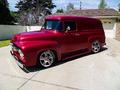
I have been following this thread, but not posting, since I installed the FiTech 400hp two years ago. Finally got the F250 finished enough (electrical took time) to start, run and short drive. Still need to have proper exhaust installed and alignment before I drive it much, but for the benefit of others, I thought I would give my results with the system at this point. Once I cranked the engine enough to bring up the oil pressure, I connected the ignition and within a few seconds the engine started right up from the initial set-up settings. Broke in the cam (hopefully!!!) properly and it starts easy every time. I have not driven it enough to allow any self-learning feature to occur, but it appears that the air/fuel ratio is spot-on. Idle is a little faster than my initial settings, but sounds fine. I have adjusted the timing and, so far, I am very happy that I haven't had to make any adjustments that would be required with a carburetor. Still early in the game, and getting a real exhaust (not junkyard mufflers) should even out the idle....very please at this point. The setup I have: 1966 F250, 1974 390/C6, Lokar cables with the FiTech bracket for the throttle and kickdown, Tanks Inc. 22 gallon mustang tank in the rear with steel send and return lines all the way to the FiTech unit, in-tank Walbro fuel pump, in-line Holley micro fuel filter. The only thing I would have done different at this time would be to avoid the Tanks Inc. neoprene filler/sender/fuel pump to tank gaskets. They are soft crap and leak like crazy. I have changed one to their cork gasket and waiting for results to determine if it too will ultimately leak, but so far ok. I would recommend this system to anybody thinking about FI....the price is right and it seems to work well right out of the box.
I have been following this thread, but not posting, since I installed the FiTech 400hp two years ago. Finally got the F250 finished enough (electrical took time) to start, run and short drive. Still need to have proper exhaust installed and alignment before I drive it much, but for the benefit of others,
Awesome and thanks for sharing! It’s probably too big of an ask but I do wish people on this thread would used the chevelle.com forum format because it gives you the same vitals like AIC, RPM, AFR, Cam setting, etc. info to quickly scan and compare. But in any case, this is good information for others to reference.
Ahhh, the thread I have been looking for! I have an '83 F150 shortbed 4x4 that's about to get a 351W transplant to replace a wheezy 4.9L six. It has a granny gear 4-speed so I don't have to worry about transmission management. I want to put the FiTech Go Street EFI 400 system on it with an in-tank high pressure fuel pump set up. I am wondering about how well the 16 gallon side mount tank is going to work with something like the Tanks Inc. fuel pump kit given that the tank doesn't really have a flat top to cut open for the installation. I have to look into that a little further before I decide what to do. Do I need to go with a behind the axle tank?
Anyway, carry on. This is a very helpful discussion...ned.
Ned:
If your tank is not set up for fuel injection there are a couple things that you need to consider. There is more to it than just cutting open the tank. FI tanks have a "sump" so that the submerged electric pump is less apt to run dry and burn up the pump. Also, the TANKS INC. fuel pump set up is already plumbed with send and return lines into the tank, which is what you'll need with an in-tank pump and fuel injection. So, I don't know if the side mount tank that you're referring to, has these features.
Also, as a matter of updating my previous post, the cork gaskets which I switched to, do not leak. I had to pull the bed and change both the neoprene to cork. In addition, I used a fuel-resistant sealer...the popular blue stuff which is used for fuel tank gaskets. Can't recall the name, but it's over the counter. I did have some trouble with the TANKS INC. Fuel Sender. I messed with the mounting position, length and float position, and finally got it to read nearly full, with a full tank. However, it doesn't indicate the actual level of the tank as the gauge changes from full. When the gauge reads one-quarter, I still have over half a tank. I got tired of removing it and installing it over and over again, now I'm not going to pull the bed again. I just make sure to keep my tank close to full as I don't really want to find out where "empty" is!!
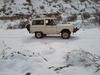
I have had very good luck with Fitech in tank pump with no return line on my Bronco. The unit does have place for a return line but i have been running for almost 18 months without and can’t find any issue not having a return. The unit is installed in the top of the main tank in back. Instead of having 2 in tank units i use a transfer pump from the aux. tank to the stock siphon unit on the sending unit set up on the main back tank. Do lots of creeping around the mountains and desert and has done fine. Did have an ECU fail in the TB unit but Fitech stood up and replaced it. I use the 400 hp unit.
dodmort: Thanks for explaining your set up. FiTech seems pretty adamant about using a return line with their TB systems so your experience is pretty interesting.
The tank on my shortbed looks like the picture above my only challenge is finding a good spot to drill the hole for the pump assembly if I go with something like the FiTech in tank pump. I assume this tank has baffles in it so I'll have to poke around a little. Of course all the pictures I've found of these installations show large flat top between-the-frame-rails tanks.
Rezvani's Latest Post-Apocalytic Monster Is a Ford F-150 Raptor Underneath
Slideshow: Called the Fortress, the 850-horsepower pickup combines Raptor underpinnings with military-inspired features, survival equipment, and a starting price of $285,000.