When you click on links to various merchants on this site and make a purchase, this can result in this site earning a commission. Affiliate programs and affiliations include, but are not limited to, the eBay Partner Network.
Hello all! I've recently installed a T5 from an 86 S10 into my 49 F1 with 226 I6. The guy I bough it from is very reputable and went through it and also installed new bearings. I really love the new addition and it's a real joy to drive compared to the 4 speed crash box, however after about 50 miles or so I started to notice a noise only at certain times. It's not a grind, but more like a moan or rubbing, more like metal moving around metal with no lube. Here are the times I notice it most:
- After downshifting until the RPMs go down (while the clutch is still pressed IN) it will go away when I let the clutch out.
- If I wind it up but don't end up shifting into the next gear (clutch is NOT pressed it).
- Sometime upon start up but not often (clutch IN, trans in first).
- Also yesterday I pulled onto an uneven spot where my drivers side was on a small hill about 18" higher than the pass side. It really got loud no matter what I did; clutch in, clutch out, neutral.
Other things to consider:
- I had the flywheel and Pressure Plate balanced together.
- The pilot bushing, pressure plate, clutch disc, throwout bearing are all
new.
I'm wondering if it is the fact that the pilot bushing is a hair tight. I know Brain75 reamed his out a bit, but I did not. We both got ours from Dwight Bond. Do you think it could be that or maybe not enough grease on it? Any other suggesting would be appreciated!
Sounds are always tough to diagnose via the internet.
I doubt it's the pilot bushing. They should be made out of oilite bronze and are self-lubricating and even if they're a little tight, they're significantly softer than the steel input shaft and will "wear to fit" quickly.
My first inclination is the throwout bearing. But your symptoms aren't all lining up - some support this diagnosis, some don't.
My second thought is the input bearing. When these begin to go bad, you typically have a whine or grind in all gears except 4th. High loads like downshifting or running the RPM up w/o shifting will often make it worse or more noticeable.
If it's the throwout bearing, it will eventually make itself easier to diagnose, so my advice would be to drive it until it gets worse.
If it's the input bearing, it will manifest itself as metal in the oil and progressively worse noise. It may be too early yet to see much significant metal in the oil (you will likely see some regardless), but you can drain the oil and filter it to see what kind of metal and how much to help you diagnose - oil is cheap in the grand scheme of things.
Bottom line: if it's not making a lot of grinding or gnashing noise at the moment, continue to drive it and pay attention to the sound to see if it gets better or worse and if you can pinpoint what is causing it more specifically.
And you may never see much metal in the oil of a T5 since there is a 2 inch magnet in the bottom of the case.
If you are sure it is the trans, my guess would be a bearing as well. Check your fluid level? The comment about being parked on a hill and the noise being worse makes me think maybe there is very little fluid in it.
Yeah this thing is a little baffling since it does it sometimes when the clutch is in and sometimes when it is out. I took it over to a big Ford guy here to have him adjust the timing and tune things up a bit and he thinks it's the throwout needing more lube, but I know I lubed it up because I have a picture of it. He has a bunch of old Fords around and I'm having him check for a set of 3.53 gears or so. My axle bearings are shot anyway and if I'm in there doing that I might as well put in a lower gear set that will also fit better with my 8BA in the future. Right now I have 2.75's in my 9".
Thanks for the input fellas, and I'll try to keep you up to date.
Lubed or not, it could still be your TO bearing. Check the adjustment and be sure you have a return spring as well.
What sort of clutch linkage do you have? Did you adapt the stock mechanical linkage? Did you put in a cable linkage? Did you fabricate a hydraulic setup?
If mechanical, the TO bearing becomes more likely because the revving in a gear and downshifting cause forward and backward movement of the engine/trans on the mounts that gets transmitted to the linkage. Same with being on a hill or angle - depending on the style of engine mounts. Biscuit style mounts are notorious for having a lot of movement.
Thanks for again for the advice Ernie. I wanted to ask you about how to adjust the T/O bearing. You mentioned checking the adjustment, but I'm unclear on how to adjust it at all.
I'll give you a quick rundown of what I have done for my swap:
- Stock and original; hub and hub assembly, hogshead, linkage, fork, spring return, and flywheel.
- Stock and new; T/O bearing, pressure plate.
- Not stock and new; Clutch disc from Astro van, pilot bushing from Dwight Bond.
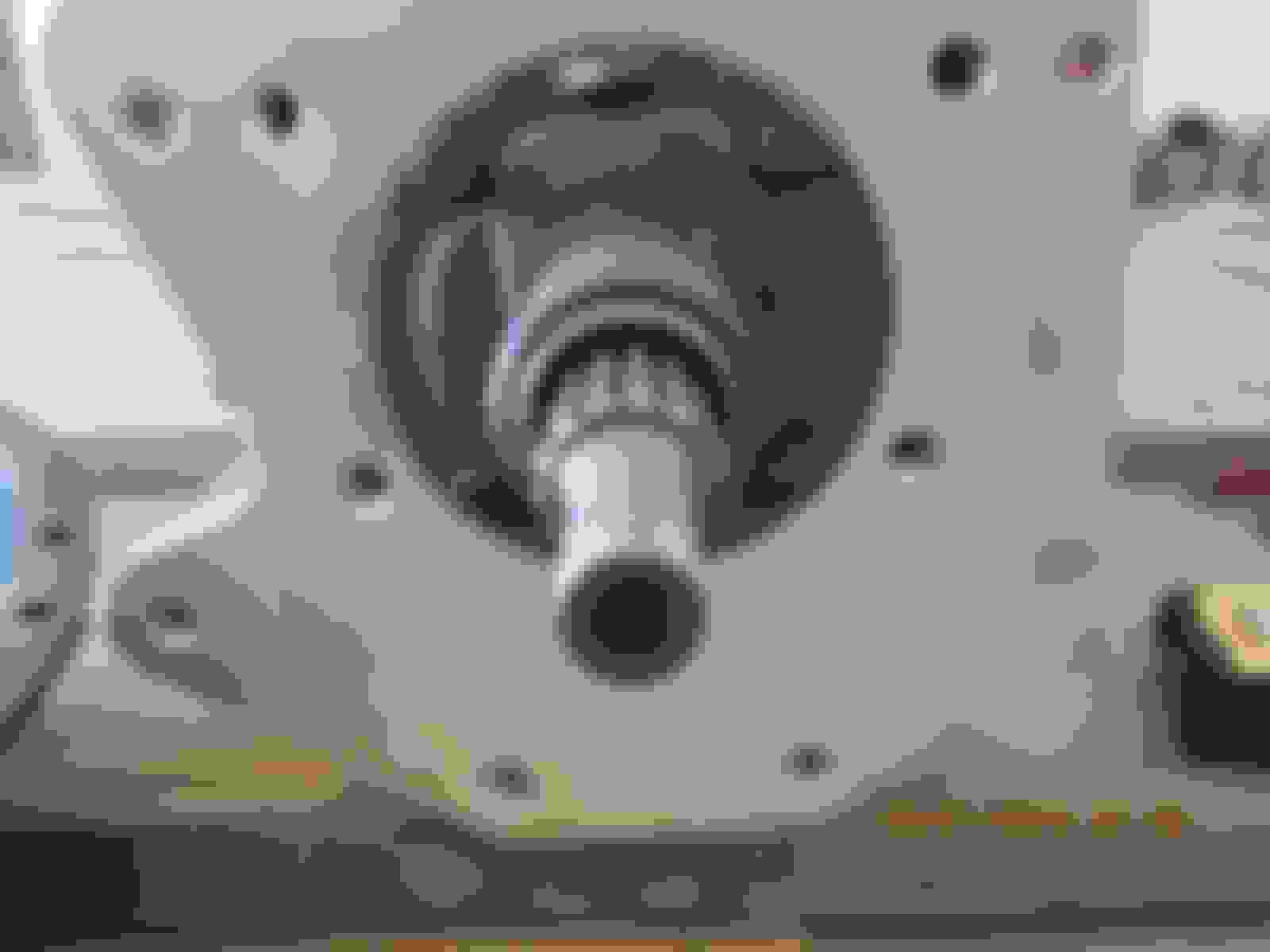
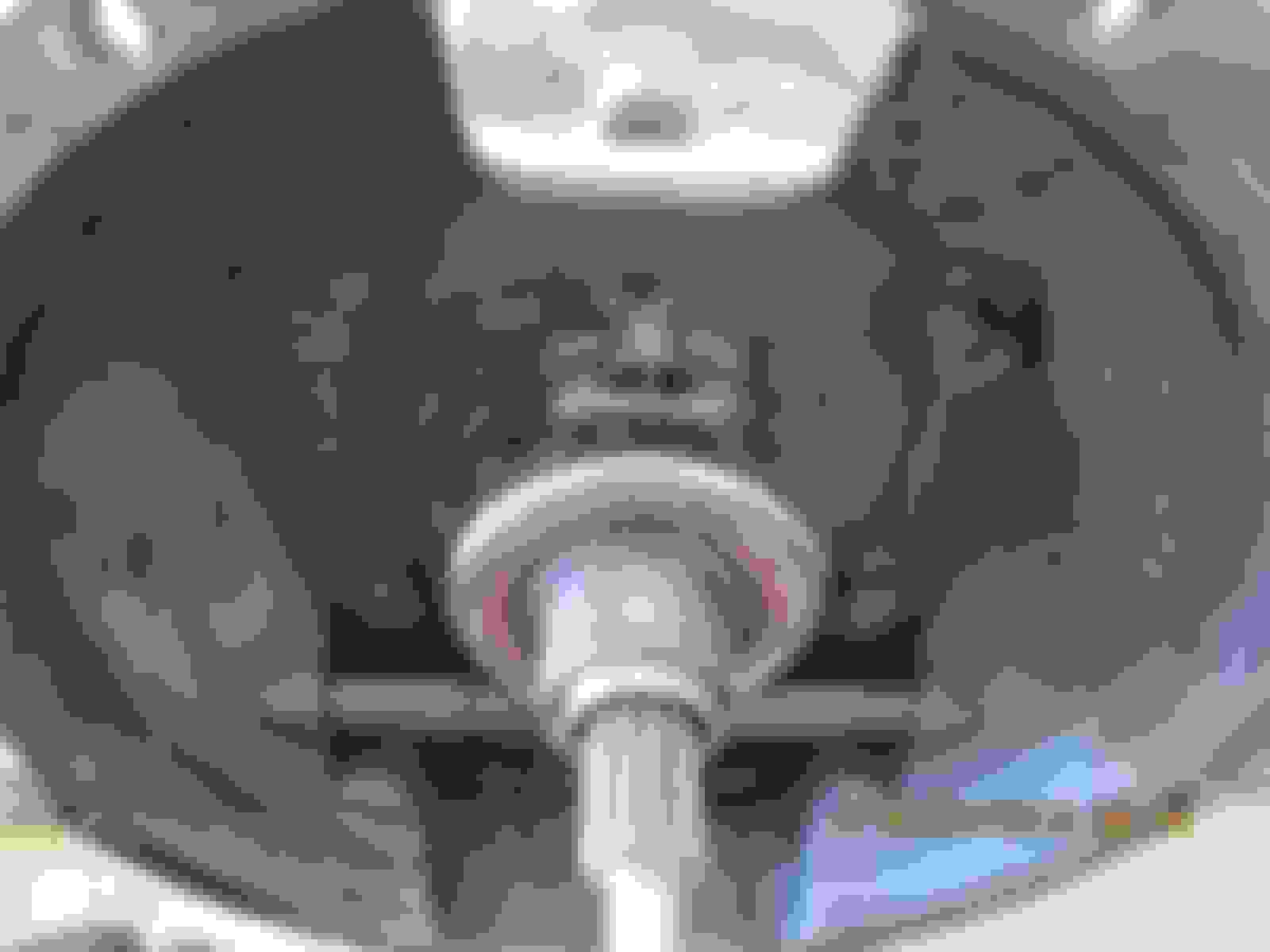
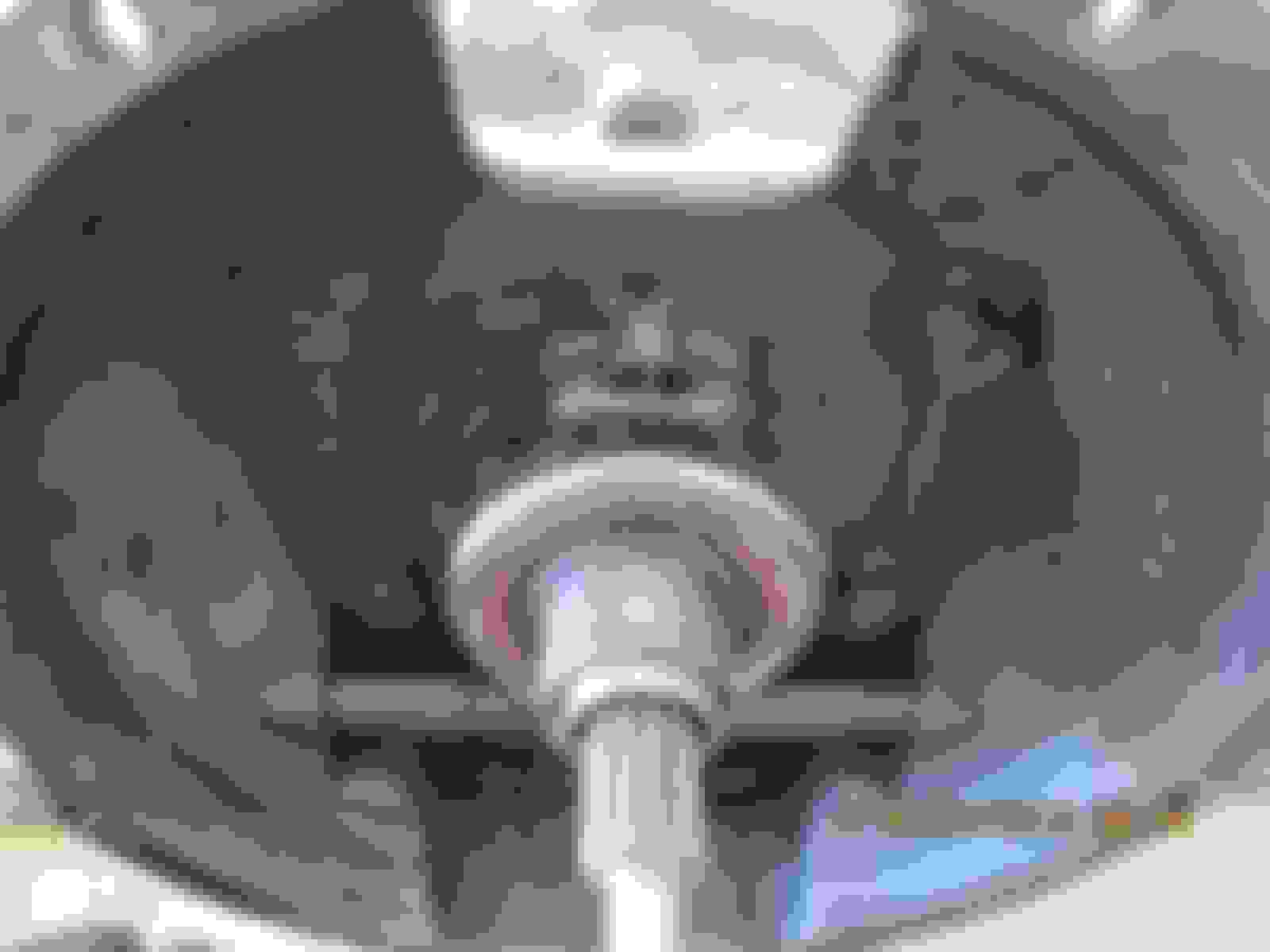
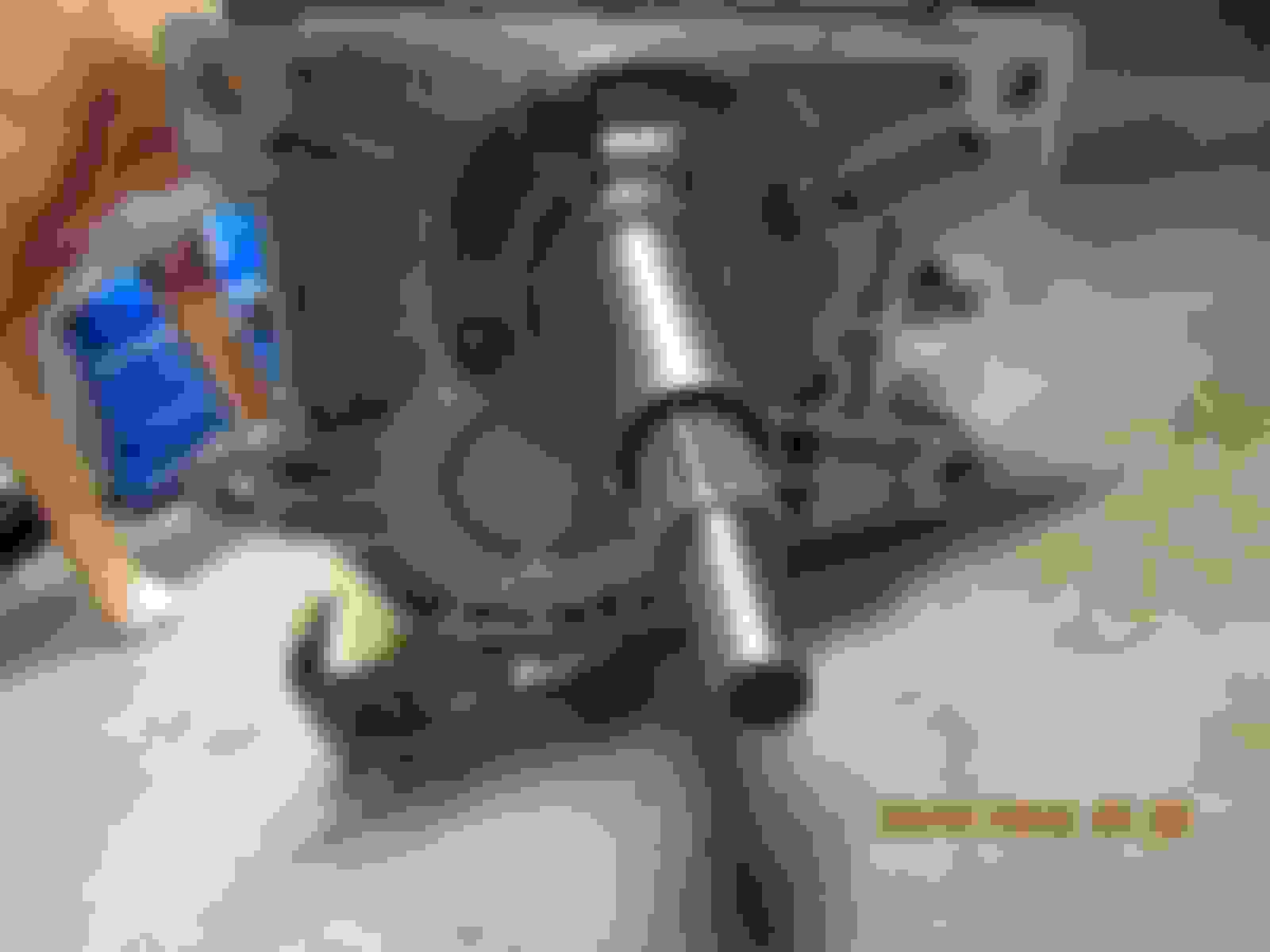
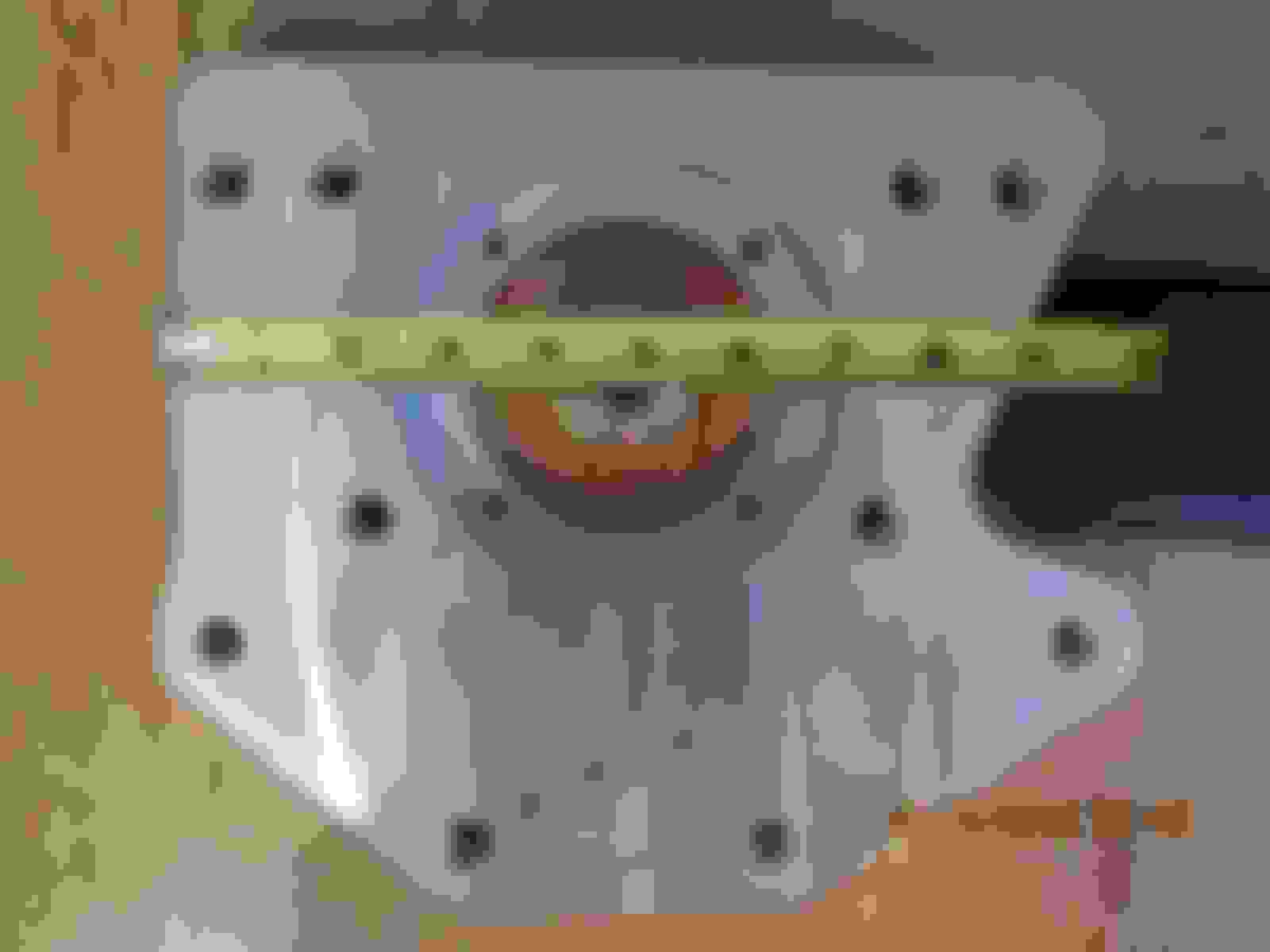
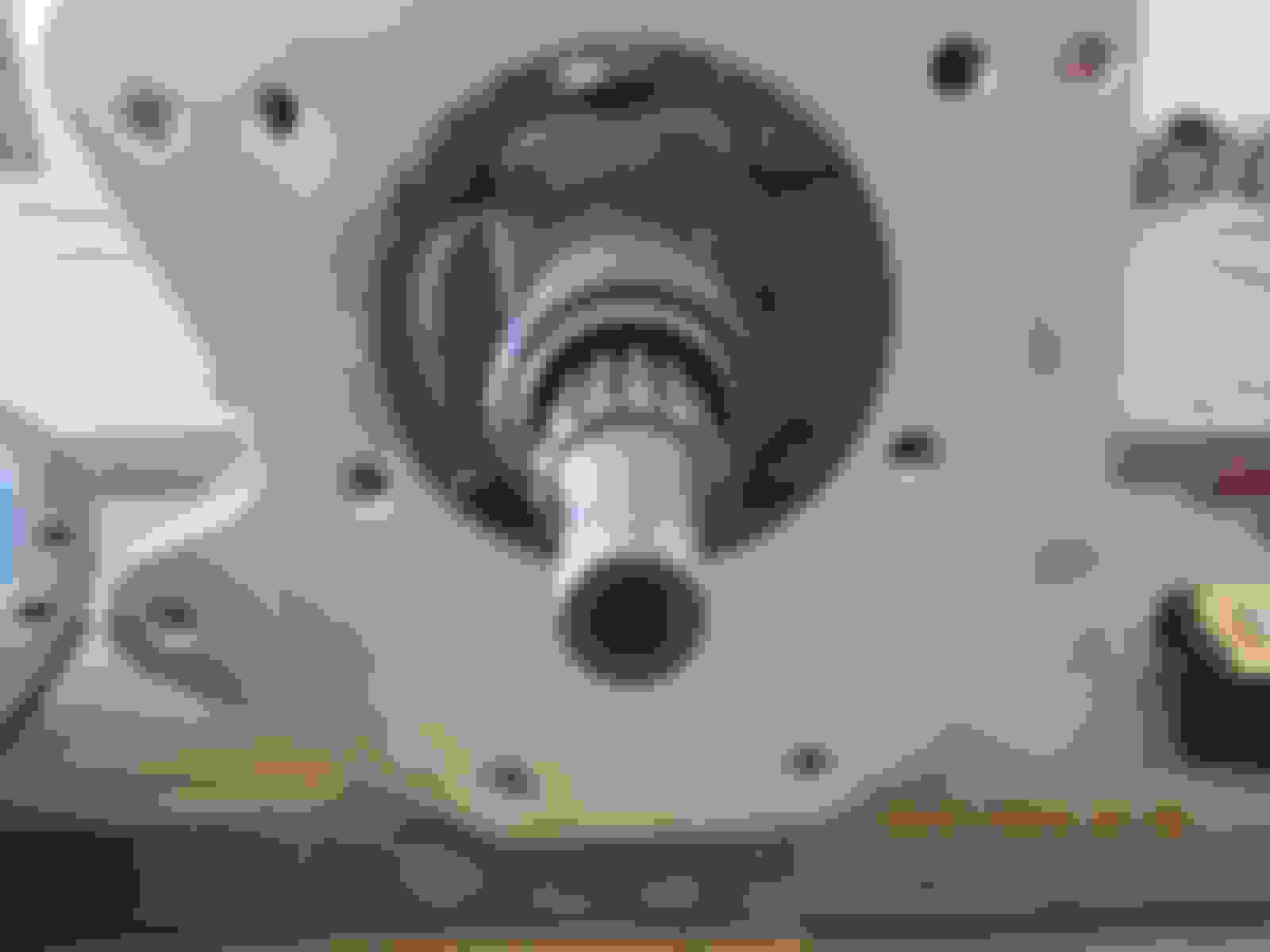
Pictures of my set up:
Flywheel and pressure plate were balanced together
I hope that helps answer your questions and let me know if you have anymore suggestions.
On another note: I ended up having my Ford buddy swap in some 3.53 gears. In the process he replaced the worn out axle bearings and one bad axle. Boy does it feel good going down the road now,especially since he fixed my air leak in the vacuum line going to the distributor and set the timing!
So I took off the inspection plate and lubed up what I could in and around the T/O bearing. While I was in there I noticed that the T/O bearing is always touching the pressure plate fingers. I assume that this could cause the noise???? The noise is most noticeable when the clutch is pressed in and at high RPMs though which means the bearing would be on the fingers anyway. Right?
The bearing is new, but I know that doesn't always mean that it's good.
I can't really see the face of the bearing, but I know it's touching the fingers of the PP because I can see it spinning all the time no matter what position the clutch is in. As far as I can tell it should not do that. I have read on some Mustang forums about this and the consensus is that it should not touch until engaged.
I vote for the throw-out bearing. My Advance Auto (Made
in Mexico) TO bearing went south in less than 1000 miles. It sounded like I was driving a semi which would have been cool if I wasn't in a Mustang GT. I upgraded to a Timkin and never had another problem. I ended up spending the extra $20 anyway, but I'll never recoup the 5 hours it took to replace it.
While I was in there I noticed that the T/O bearing is always touching the pressure plate fingers. I assume that this could cause the noise????
This is what I was getting at with the linkage. The little spring inside the hogshead is not sufficient to ensure that the TO bearing is not 'riding' on the PP fingers. You must have a spring on the external arm of the hogshead or on the linkage to ensure the TO bearing is not always touching.
I'm going to assume you still have the original mechanical linkage between the pedal, the pivot, and the hogshead lever. This is why I asked about engine mounts.
As for adjustment, you want to have some play in the linkage and still be able to fully disengage the clutch when you press the pedal down.
It sounds like your adjustment may be a little too tight, which, even if you didn't change anything the fact you have all new components in the clutch could tighten it up just enough to cause this issue because of the new disk and pressure plate...along with various tolerance stacks that may not have gone in your favor.
Try backing off whatever adjustment you have - I'm not super familiar with the stock setup, but typically there's a rod between the z-bar (or U-bar on our trucks, I think) and the hogshead that has a threaded portion - make the overall length of that last part shorter by a few turns and try it out.
Thanks Ernie, I think I get what you're saying. I adjusted the linkage to what the manual said for the 4-speed 11" clutch which is 1 1/8-1 3/8" freeplay. I'll check it again. Also, I used the original spring return. Is that the spring you mentioned?
This is before I installed the new T/O bearing, but everything else is the same as I installed it.
I have a possible suspect; stick with me here.....
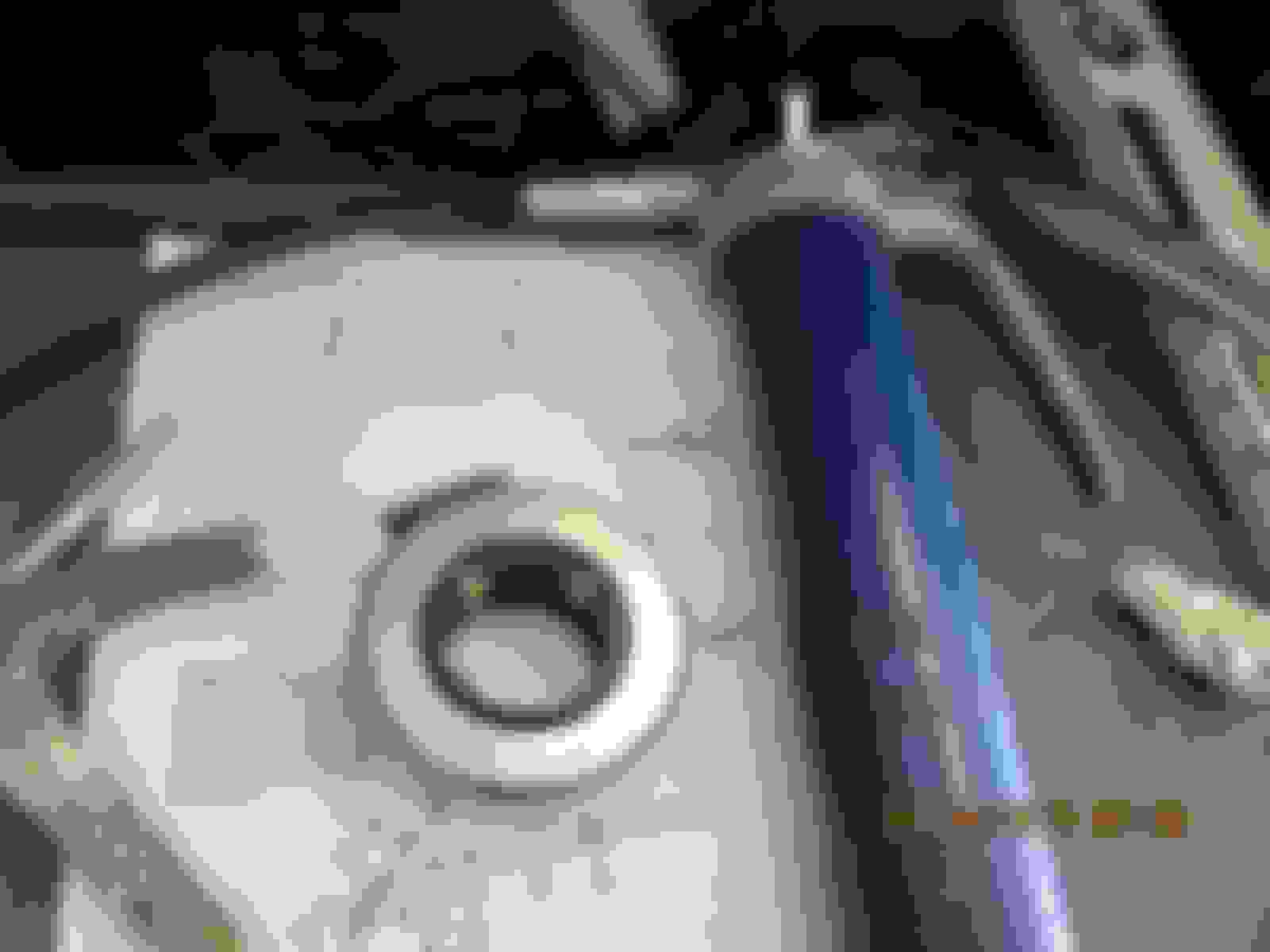
When I did my install I left on the original s10 retainer shown here:
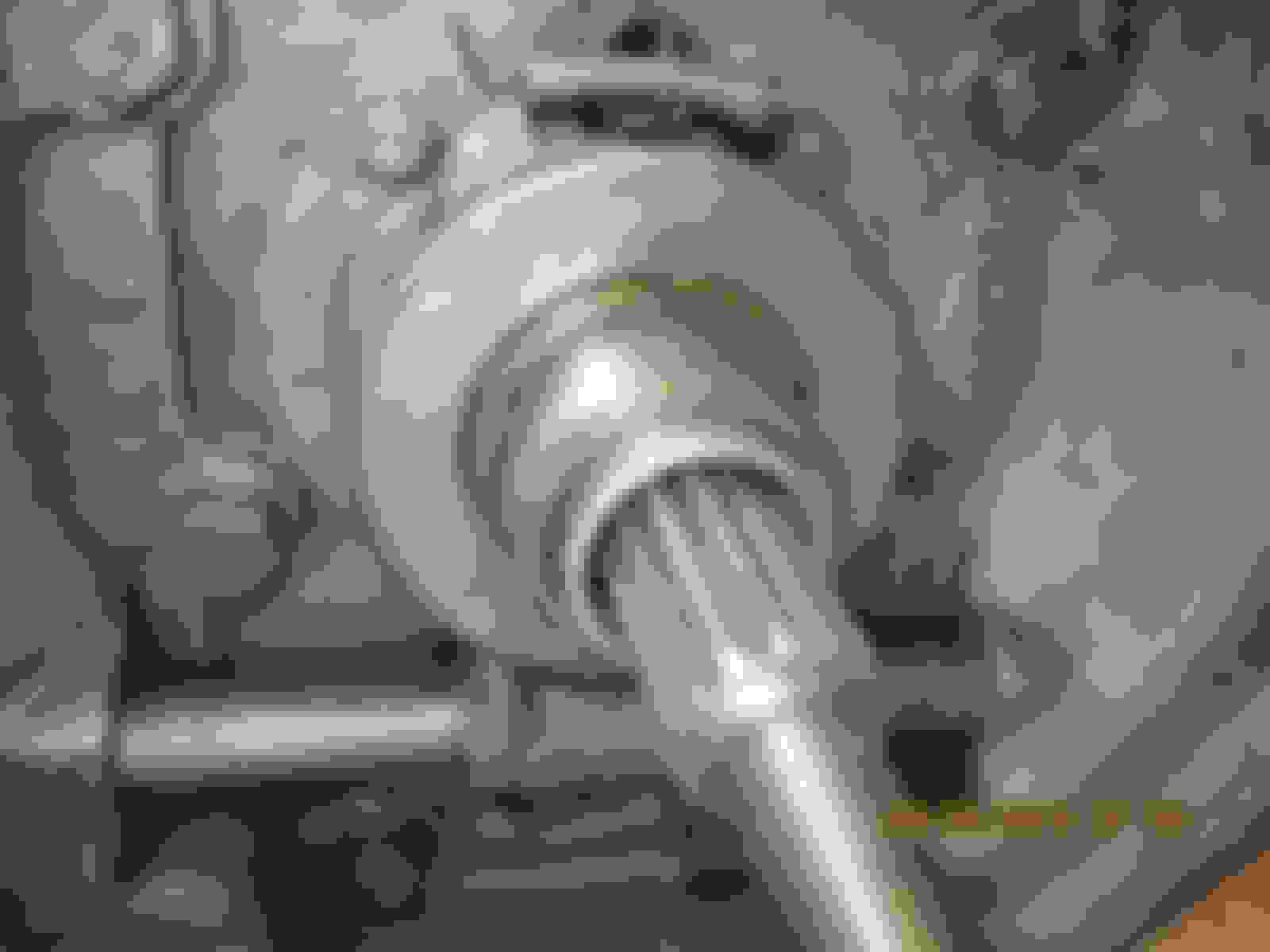
Then I installed the Dwight Bond plate with the inset facing the original retainer shown here:
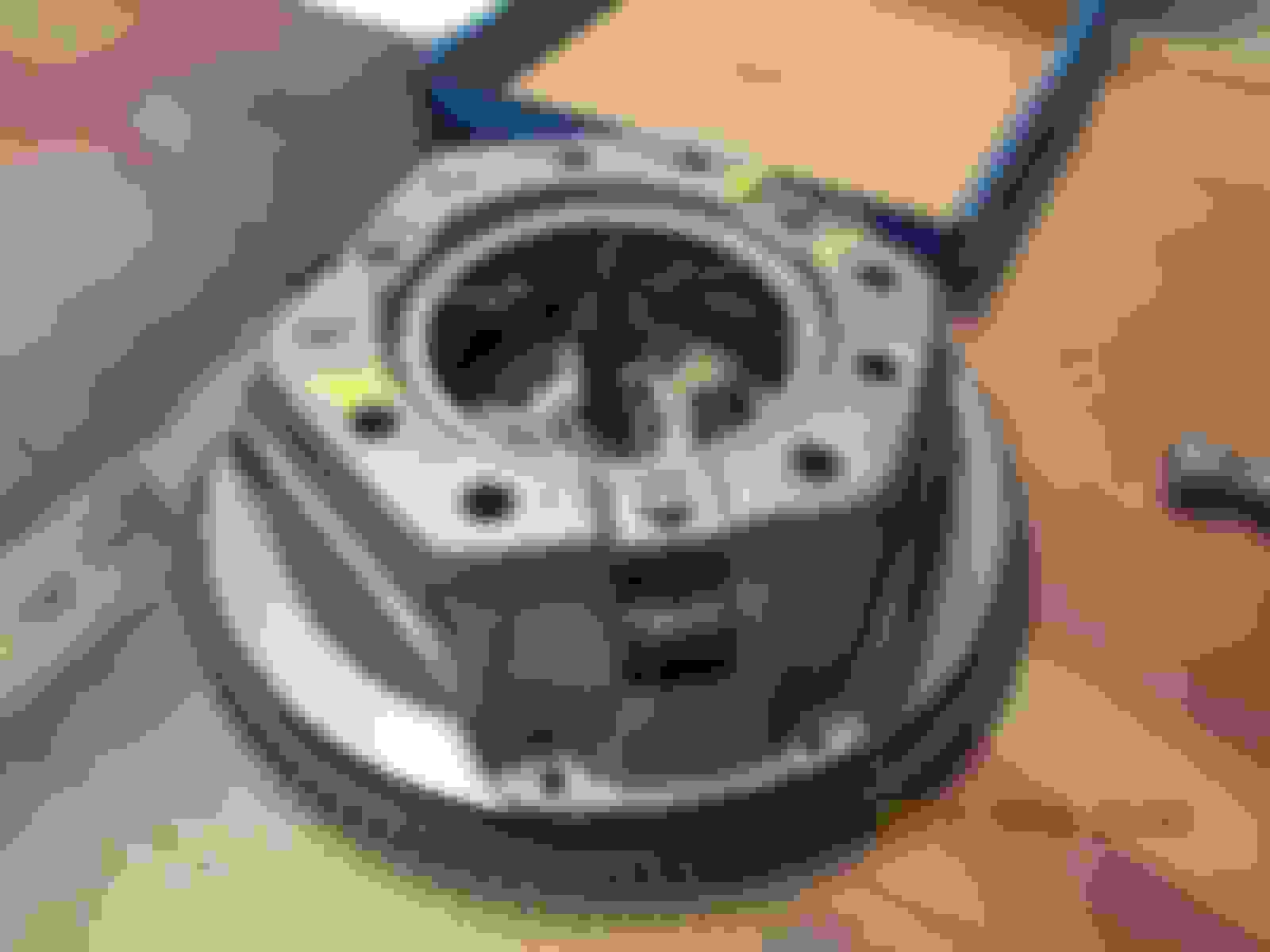
Because I wanted to eliminate having to use an bushing between the original hub assembly and s10 retainer I then installed the original retainer onto the Dwight Bond plate,however on that side there was a small raised lip (opposite of the offset, but not as tall) shown here:
I wonder if it is pushing everything forward too far....... I just checked my clutch pedal freeplay and it's spot on, but I may have to back it off some more if my theory is correct. Thoughts????
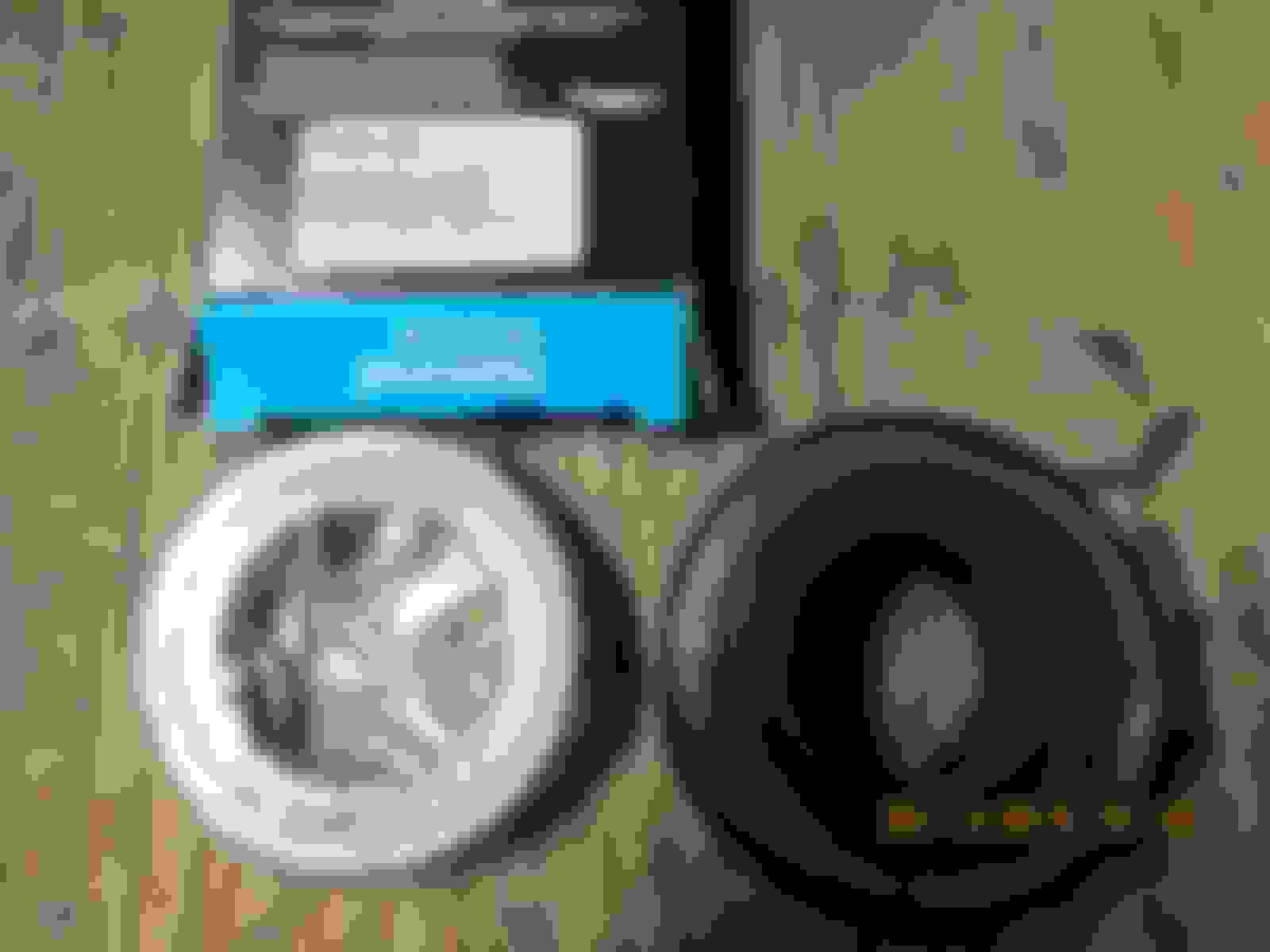
You can see in the picture below the s10 retainer under the original. I like the idea of the original because I could use the original spring and I didn't have to use a bushing on the s10 retainer to make it match my hub assembly.
This Hennessey Takes the Expedition Tremor's Off-Roading Capability to the Next Level
Slideshow: The VelociRaptor Expedition gains a lift, upgraded suspension, Brembo brakes, and trail-ready equipment while retaining the stock 440-horsepower EcoBoost V6.
Rezvani's Latest Post-Apocalyptic Monster Is a Ford F-150 Raptor Underneath
Slideshow: Called the Fortress, the 850-horsepower pickup combines Raptor underpinnings with military-inspired features, survival equipment, and a starting price of $285,000.