


A/C compressor smoking


Thread Starter
|
Elder User
Joined: Feb 2013
Posts: 856
Likes: 3
From: Livonia, MI
A/C compressor smoking
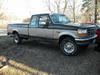
Started my 96 F150 4.9 straight 6 and after driving about a mile, smoke was pouring out from under the hood. Immediately pulled over, shut engine off, and popped the hood. The compressor was burning up. Smoke coming out the front of the compressor. I let it cool down for 10 minutes, unplugged the harness. I turned all of the controls off and drove it home (20 miles) and it seemed OK. I have a couple questions:
1) I haven't used the air in months (and it wasn't blowing very cold anyway). I did have the defrost on. Will the clutch on the compressor engage for the defroster?
2) Is it possible the clutch is bad, but the compressor good?
3) If I do need a new compressor, is it worth it to get a used one at a junkyard, or should I get a new one?
1) I haven't used the air in months (and it wasn't blowing very cold anyway). I did have the defrost on. Will the clutch on the compressor engage for the defroster?
2) Is it possible the clutch is bad, but the compressor good?
3) If I do need a new compressor, is it worth it to get a used one at a junkyard, or should I get a new one?
Posting Guru
Joined: Apr 2011
Posts: 1,119
Likes: 1
From: Hartland, WI
1. The A/C does turn on when defrost is selected, depending on ambient temperature. It does this to dry the air and defog the windshield more efficiently
2. Possibly, but the compressor seal could be damaged from heat.
3. Used ones are typically full of metal, moisture, and who knows what else. Better off getting a new/reman one and having piece of mind.
2. Possibly, but the compressor seal could be damaged from heat.
3. Used ones are typically full of metal, moisture, and who knows what else. Better off getting a new/reman one and having piece of mind.
Thread Starter
|
Elder User
Joined: Feb 2013
Posts: 856
Likes: 3
From: Livonia, MI
1. The A/C does turn on when defrost is selected, depending on ambient temperature. It does this to dry the air and defog the windshield more efficiently
2. Possibly, but the compressor seal could be damaged from heat.
3. Used ones are typically full of metal, moisture, and who knows what else. Better off getting a new/reman one and having piece of mind.
2. Possibly, but the compressor seal could be damaged from heat.
3. Used ones are typically full of metal, moisture, and who knows what else. Better off getting a new/reman one and having piece of mind.
Posting Guru
Joined: Apr 2011
Posts: 1,119
Likes: 1
From: Hartland, WI
You need to have the right equipment to properly recover the refrigerant before opening the system. The system will then need to be placed into a deep vacuum to remove all the air and moisture before it can be recharged. You are correct in that you need to have an EPA 609 certification to handle refrigerant.
Thread Starter
|
Elder User
Joined: Feb 2013
Posts: 856
Likes: 3
From: Livonia, MI
You need to have the right equipment to properly recover the refrigerant before opening the system. The system will then need to be placed into a deep vacuum to remove all the air and moisture before it can be recharged. You are correct in that you need to have an EPA 609 certification to handle refrigerant.
Thread Starter
|
Elder User
Joined: Feb 2013
Posts: 856
Likes: 3
From: Livonia, MI
OK, so a buddy is going to evacuate my system so that I can work on it. I need to decide between OEM parts vs after market. Typically, price is the obstacle. I'm going to replace the compressor, accumulator/drier, orifice tube. Will get an O-ring kit as well. Surprisingly, the price difference for Motorcraft compressor vs aftermarket at Rock Auto is only about $50. Motorcarft compressor is $226, so I'll get that. They do not have a motorcarft drier/accumulator. On other sites, the Motorcraft is approx $120. the aftermarket is only $30 - $50. Do I really need a Motorcraft drier/accumulator? Are there any moving parts in it?

Elder User
Joined: Mar 2008
Posts: 816
Likes: 2
From: Sandy Hook, CT
The drier is meant to be a replaceable part in my opinion-they wear out over time. If the system was ever opened & exposed to air, it has to be replaced. IIRC, all it is is a large tube filled with dessicant to remove moisture from the system. No moving parts at all. I've changed the one in my truck 4 times already (every 4 years or so) and I swear, you can hang meat in my cab on the hottest August afternoon. I've paid about what you did-about 20-30 bucks for it. Think of it as an expensive filter.

Thread
Thread Starter
Forum
Replies
Last Post


