



A nother vibration problem person ...

Thread Starter
|
Senior User
Joined: Aug 2004
Posts: 348
Likes: 0
A nother vibration problem person ...
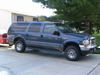
This truck is a 1999 4x4 with the 4.6
The truck had 8in wide rims with 33in procomp A/T's
We just put 10in wide rims with some 33in M/T's on the truck
Now it shakes pretty bad around 35-75 75+ unnown ...?
It smooths out around 60 and other spots to.
And the streering wheel moves when at like a steady 50.
Im goin to go balance the tires on monday, but is it bein that
the tires are M/T's and the rims are 10in wide that i cant fix this ?
I realy dont think balanceing the tires is goin to help that much.
And it is the rims and tires makein it do this sence it did it only
with the new rims and tires.
Thay sound so cool but this vibration thing is not cool.
The truck had 8in wide rims with 33in procomp A/T's
We just put 10in wide rims with some 33in M/T's on the truck
Now it shakes pretty bad around 35-75 75+ unnown ...?
It smooths out around 60 and other spots to.
And the streering wheel moves when at like a steady 50.
Im goin to go balance the tires on monday, but is it bein that
the tires are M/T's and the rims are 10in wide that i cant fix this ?
I realy dont think balanceing the tires is goin to help that much.
And it is the rims and tires makein it do this sence it did it only
with the new rims and tires.
Thay sound so cool but this vibration thing is not cool.

Fleet Mechanic

Joined: Oct 2003
Posts: 1,619
Likes: 12
From: Forest Hill MD
Have you read this?
https://www.ford-trucks.com/forums/s...d.php?t=206398
Its been awhile since I read the thread but I am 99.9% sure that this issue is covered. and the answer is yes the rims are the problems
Good Luck
Chris
https://www.ford-trucks.com/forums/s...d.php?t=206398
Its been awhile since I read the thread but I am 99.9% sure that this issue is covered. and the answer is yes the rims are the problems
Good Luck
Chris

Cargo Master


Joined: Dec 2004
Posts: 2,232
Likes: 3
From: NE Texas
It is very difficult to diagnose noises and vibrations over the internet. That said, a LARGE percentage of vibrations are tire/wheel related which I think is already evident since the vibration started when you put them on.
It is particularly noticable with such large tires. You need to start with a good DYNAMIC balance. This means a computer balancer set for dynamic balance which puts weights on both the inboard AND outboard planes of the wheel. It is QUITE common that the kids at the tire store won't balance them this way because someone has complained loudly because it scratched their fancy wheels.
There sometimes are alternatives to placing weights on the outboard lip of the wheel. On trucks a mildly out of balance tire/wheel can get by with static balance with all the weights on the inboard, but your truck has an independent front suspension, so this will likely not work very well. Another alternative is usable with heavily offset wheels. On these, you can put a tape weight behind the wheel center as far toward the outboard of the wheel as possible and get a good dynamic balance.
I have a $1000 set of Weld wheels on my truck and I choose to use tape weights CAREFULLY placed on the outboard flat area. This keeps from scratching the lip and when it comes time to rebalance they can be pryed off with a soft piece of plastic, the adhesive removed with solvent and then polish that portion of the wheel.
There are zillions of good computer balancers all over the country nowdays. You can hardly find a tire store or auto repair facility without at least one. They are VERY simple to operate. I could teach a 13 year old how to run one properly in 20 minutes.
Where the problem lies is finding an operator that CARES about giving you a proper balance. It is just too easy for him to do a static balance that calls for a weight ONLY on the inboard plane, slam on the weight, and consider it balanced.
A PROPER balance job is deciding how to put the correct weight on the right area of the wheel and then run the machine in dynamic mode to get them on both sides. It is THEN followed by respinning the wheel after weight placement to make sure that it is balanced.
Following the above methods will USUALLY result in vibration free tire/wheel at all speeds. For the problem cases that have bad results from this step, first ensure that the wheel is straight. This is easily accomplished by mounting to the spindle of the computer balancer and turning it slowly by hand while holding a yard stick or something at the wheel lip and seeing that there is no lateral runout.
If there is no lateral runout, the next step is to go to www.gsp9700.com and find a shop near you that has a Hunter GSP9700 balancer. This machine not only balances but has a pressure roller that pushes against the tire to check Road Force Variation(RFV) which is basically analyzing the tire to see if it has any stiff spots. That machine, if run by a competent operator, will either get a good balance or will TELL you that the tire is defective or any other problem that exists.
Again, the important thing is having a competent operator running this machinery.
Good luck,
Doc
ASE Master
It is particularly noticable with such large tires. You need to start with a good DYNAMIC balance. This means a computer balancer set for dynamic balance which puts weights on both the inboard AND outboard planes of the wheel. It is QUITE common that the kids at the tire store won't balance them this way because someone has complained loudly because it scratched their fancy wheels.
There sometimes are alternatives to placing weights on the outboard lip of the wheel. On trucks a mildly out of balance tire/wheel can get by with static balance with all the weights on the inboard, but your truck has an independent front suspension, so this will likely not work very well. Another alternative is usable with heavily offset wheels. On these, you can put a tape weight behind the wheel center as far toward the outboard of the wheel as possible and get a good dynamic balance.
I have a $1000 set of Weld wheels on my truck and I choose to use tape weights CAREFULLY placed on the outboard flat area. This keeps from scratching the lip and when it comes time to rebalance they can be pryed off with a soft piece of plastic, the adhesive removed with solvent and then polish that portion of the wheel.
There are zillions of good computer balancers all over the country nowdays. You can hardly find a tire store or auto repair facility without at least one. They are VERY simple to operate. I could teach a 13 year old how to run one properly in 20 minutes.
Where the problem lies is finding an operator that CARES about giving you a proper balance. It is just too easy for him to do a static balance that calls for a weight ONLY on the inboard plane, slam on the weight, and consider it balanced.
A PROPER balance job is deciding how to put the correct weight on the right area of the wheel and then run the machine in dynamic mode to get them on both sides. It is THEN followed by respinning the wheel after weight placement to make sure that it is balanced.
Following the above methods will USUALLY result in vibration free tire/wheel at all speeds. For the problem cases that have bad results from this step, first ensure that the wheel is straight. This is easily accomplished by mounting to the spindle of the computer balancer and turning it slowly by hand while holding a yard stick or something at the wheel lip and seeing that there is no lateral runout.
If there is no lateral runout, the next step is to go to www.gsp9700.com and find a shop near you that has a Hunter GSP9700 balancer. This machine not only balances but has a pressure roller that pushes against the tire to check Road Force Variation(RFV) which is basically analyzing the tire to see if it has any stiff spots. That machine, if run by a competent operator, will either get a good balance or will TELL you that the tire is defective or any other problem that exists.
Again, the important thing is having a competent operator running this machinery.
Good luck,
Doc
ASE Master

Lead Driver


Joined: Jul 2003
Posts: 7,406
Likes: 52
From: Wheatland, Mo

MBDiagMan....EXCELLENT info! I was wondering about that since I am looking at replacing my tires in a couple of months. I am going to use the web site and have them checked before I get too far.
Thanks!
Thanks!
Trending Topics
Thread Starter
|
Senior User
Joined: Aug 2004
Posts: 348
Likes: 0
I have shop at my school and the balancer will do that but i tryed it today and
it wouldent balance. I think thares mud or somethin inside the tire. just dident
have time to pull the tire and check.
Plus to help out im goin to order a Steering Stabilizer kit
it wouldent balance. I think thares mud or somethin inside the tire. just dident
have time to pull the tire and check.
Plus to help out im goin to order a Steering Stabilizer kit
FTE Stories
Ford Trucks for Ford Truck Enthusiasts

Top 6 Best Deals Available on New Fords & Lincolns Right Now
Brett Foote
This Hennessey Takes the Expedition Tremor's Off-Roading Capability to the Next Level
Verdad Gallardo
Top 10 Fords at 2026 Carlisle Ford Nationals
Joe Kucinski
3 Best / 3 Worst Parts of Modern Ford Ownership
Brett Foote
10 Amazing Upgrades That Solve Common Ford Truck Owner Headaches
Pouria Savadkouei
Every 2026 Ford Engine Explained
Brett Foote
10 Ugly Ford Trucks That We Still Kinda Love
Joe Kucinski
10 Things Every Truck Owner NEEDS (2026 Edition)
Michael S. Palmer
Rezvani's Latest Post-Apocalyptic Monster Is a Ford F-150 Raptor Underneath
Verdad Gallardo
Cargo Master
Joined: Dec 2004
Posts: 2,232
Likes: 3
From: NE Texas
shane,
There is a quick and easy way to check your balancer to make sure that it is not the problem. Take any wheel and tire and balance it according to that machine, then put about four ounces of weight on it and see if it shows you four ounces out of balance, meaning that it is calling for the same amount of weight opposite the weight that you added.
Also, if the machine is suspect, balance a tire/wheel, turn it ninety degrees on the spindle and run it again. If the machine is working properly, it will show the tire/wheel to still be balanced.
Good luck,
Doc
There is a quick and easy way to check your balancer to make sure that it is not the problem. Take any wheel and tire and balance it according to that machine, then put about four ounces of weight on it and see if it shows you four ounces out of balance, meaning that it is calling for the same amount of weight opposite the weight that you added.
Also, if the machine is suspect, balance a tire/wheel, turn it ninety degrees on the spindle and run it again. If the machine is working properly, it will show the tire/wheel to still be balanced.
Good luck,
Doc
Senior User
Joined: Jan 2005
Posts: 225
Likes: 0
MBD you couldnt have put that any better. I had a set of stock rims balanced once before from a firestone dealer close to home. They got the truck done fairly fasy and as soon as i got the truck out on a highway and cruising at a higher speed i could Hear the wieghts falling of the rim and hitting the underside of my truck.lol
Cargo Master
Joined: Dec 2004
Posts: 2,232
Likes: 3
From: NE Texas
No, if you are talking about a computer spin balancer, you are not supposed to bolt a computer balancer to the floor. It must be free to move so that the vibration is properly sensed by the load cells. It says this in the instructions for any computer balancer that you look at.
Have a great day,
Doc
Have a great day,
Doc
