


Hey Ford


Laughing Gas


Joined: May 2020
Posts: 977
Likes: 455
From: Adirondacks
The Ranger Raptor 3.0 EB has the same HP as the F150 3.5 EB but less torque.

Super Moderator


Joined: Jan 2008
Posts: 40,046
Likes: 1,524
From: Maine, Virginia

And, the 3.5L is heavy as hell. It's in the same weight category as the 5.0L V8.
I mention this because I've seen the payload and towing specs on the 2026 Ranger. The ratings drop by 200 pounds when equipped with the optional V6. 200 pounds may not seem like a lot but it is when comparing the Ranger's capabilities to the other mid size trucks in it's class.
With the 2.3L, it can tow 7500 lbs and has a payload of up to 1788 pounds which dwarfs many F-150's.
Regarding MPG's, the V-6 powered Ranger averages about 20 MPG's which is what the 5.0L F-150 averages. Boosted engines are thirsty when you push them hard.
I mention this because I've seen the payload and towing specs on the 2026 Ranger. The ratings drop by 200 pounds when equipped with the optional V6. 200 pounds may not seem like a lot but it is when comparing the Ranger's capabilities to the other mid size trucks in it's class.
With the 2.3L, it can tow 7500 lbs and has a payload of up to 1788 pounds which dwarfs many F-150's.
Regarding MPG's, the V-6 powered Ranger averages about 20 MPG's which is what the 5.0L F-150 averages. Boosted engines are thirsty when you push them hard.

Fleet Mechanic

Joined: Jul 2005
Posts: 1,470
Likes: 108
From: Staten Island, NY
The 2.7 V6 in my 2025 Ranger averages about 17 mpg around town and an easy 23 mpg on the highway with A/C on and cruise set for 70. If you get it with the FX4 option you get a lower axle ratio and combined with the Sport Mode setting it moves pretty well. I actually get better gas mileage around town in Sport Mode than in Normal Mode.
If the loss of 200 pounds of payload capacity is the deciding factor for you then you're buying the wrong truck. Get an F150.
If the loss of 200 pounds of payload capacity is the deciding factor for you then you're buying the wrong truck. Get an F150.
Super Moderator
Joined: Jan 2008
Posts: 40,046
Likes: 1,524
From: Maine, Virginia
The 2.7 V6 in my 2025 Ranger averages about 17 mpg around town and an easy 23 mpg on the highway with A/C on and cruise set for 70. If you get it with the FX4 option you get a lower axle ratio and combined with the Sport Mode setting it moves pretty well. I actually get better gas mileage around town in Sport Mode than in Normal Mode.
If the loss of 200 pounds of payload capacity is the deciding factor for you then you're buying the wrong truck. Get an F150.
If the loss of 200 pounds of payload capacity is the deciding factor for you then you're buying the wrong truck. Get an F150.
We've had our 2020 Explorer since new. The only time I feel that we needed more engine than the 2.3L is in the W. Virginia mountains......the 2.3L was adequate in that scenario. The 2.3L has already proven itself to be more reliable than any of the V6 eco's. But I do agree, more engine is always more fun.
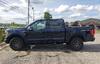
Thread Starter
|
Tuned

Joined: Jan 2021
Posts: 324
Likes: 113
From: Southgate Michigan
And, the 3.5L is heavy as hell. It's in the same weight category as the 5.0L V8.
I mention this because I've seen the payload and towing specs on the 2026 Ranger. The ratings drop by 200 pounds when equipped with the optional V6. 200 pounds may not seem like a lot but it is when comparing the Ranger's capabilities to the other mid size trucks in it's class.
RPM
With the 2.3L, it can tow 7500 lbs and has a payload of up to 1788 pounds which dwarfs many F-150's.
Regarding MPG's, the V-6 powered Ranger averages about 20 MPG's which is what the 5.0L F-150 averages. Boosted engines are thirsty when you push them hard.
I mention this because I've seen the payload and towing specs on the 2026 Ranger. The ratings drop by 200 pounds when equipped with the optional V6. 200 pounds may not seem like a lot but it is when comparing the Ranger's capabilities to the other mid size trucks in it's class.
RPM
With the 2.3L, it can tow 7500 lbs and has a payload of up to 1788 pounds which dwarfs many F-150's.
Regarding MPG's, the V-6 powered Ranger averages about 20 MPG's which is what the 5.0L F-150 averages. Boosted engines are thirsty when you push them hard.
Fleet Mechanic
Joined: Jul 2005
Posts: 1,470
Likes: 108
From: Staten Island, NY
Well a 3.5 Ranger is something pretty cool to dream about but I'm guessing it's no more than a dream. The 3.5 is a 65% increase in horsepower and 60% increase in torque over the base 2.3. That means a beefed up transmission, a new transfer case, stouter drive shafts and U joints and upgraded axles to handle the increase. Probably need to stiffen up the frame and suspension as well to handle the increased weight and torque.
When all is done you now have a Ranger that will cost considerably more than an F-150.
Oh, and don't forget insurance. Anybody old enough to remember how the insurance companies basically caused the demise of the muscle cars of the 60's and 70's?
But it is fun to dream!
When all is done you now have a Ranger that will cost considerably more than an F-150.
Oh, and don't forget insurance. Anybody old enough to remember how the insurance companies basically caused the demise of the muscle cars of the 60's and 70's?
But it is fun to dream!

Thread
Thread Starter
Forum
Replies
Last Post


