When you click on links to various merchants on this site and make a purchase, this can result in this site earning a commission. Affiliate programs and affiliations include, but are not limited to, the eBay Partner Network.
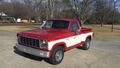
I'm fed up with radiators. 6th or 7th one is leaking again. Bought a few from summit racing, they would only last a month if your lucky. Bought one from Champion Rad and it has out lived all of the others. I can't count the number of bottles of antifreeze and copper rad stop this truck has seen in the last 1.5 years. Wondering if anyone has tried anything else that's lasts. I'm wondering if a lower rad cap pressure would help? They all leak out of the tanks where the tubes go in, the hot water washes it out or bakes it off.
I'm wondering if I have a junk headgasket or nobody make a good radiator
Pros here (as he looks around )
How about a little back ground on the truck like year, 150 / 250 ... motor size, 2wd or 4wd, truck been yours since off the line or have had it a few years?.
Truck ever in a wreck, how do the tires wear?
Were all the radiators all ALUM like pictured or plastic / ALUM?
What is the cap rated for and when was it tested or changed last?
When was the last time you checked all the battery ground cables and connections? Battery> motor> frame, motor to cab fire wall? May want to run a 10 ga wire from battery or frame to radiator support to make sure it is grounded.
Dont when I say battery ground. If the motor is not grounded good the coolant acts as a wire from motor to radiator and if the radiator & support are grounded guess where ground is?
Where the radiators all leaking in the same place? I think you hinted it was tubes to tanks, ground?
Lest see what the other pros have to say
Dave ----
That aluminum radiator is a good radiator, I have had a few of them. They do come with a ground wire you should attach from the radiator to a ground somewhere on the radiator support. You can run a lower psi radiator cap. The only thing it will affect is the level in your overflow bottle. The level will change more with a lower psi cap. I have used 7 psi caps when I had a old radiator that was on it's last leg. Never had a problem with it.
That aluminum radiator is a good radiator, I have had a few of them. They do come with a ground wire you should attach from the radiator to a ground somewhere on the radiator support. You can run a lower psi radiator cap. The only thing it will affect is the level in your overflow bottle. The level will change more with a lower psi cap. I have used 7 psi caps when I had a old radiator that was on it's last leg. Never had a problem with it.
A lower PSI cap will lower the boiling point of the coolant.
IIRC for every 2 PSI the boiling raises 1 deg. or is it for every 1 psi it raises 2 deg?
I know it raises with psi
Dave ----
Pros here (as he looks around
How about a little back ground on the truck like year, 150 / 250 ... motor size, 2wd or 4wd, truck been yours since off the line or have had it a few years?.
Truck ever in a wreck, how do the tires wear?
Were all the radiators all ALUM like pictured or plastic / ALUM?
What is the cap rated for and when was it tested or changed last?
When was the last time you checked all the battery ground cables and connections? Battery> motor> frame, motor to cab fire wall? May want to run a 10 ga wire from battery or frame to radiator support to make sure it is grounded.
Dont when I say battery ground. If the motor is not grounded good the coolant acts as a wire from motor to radiator and if the radiator & support are grounded guess where ground is?
Where the radiators all leaking in the same place? I think you hinted it was tubes to tanks, ground?
Lest see what the other pros have to say
Dave ----
Pulled the engine a year ago, i cleaned it up. I didn't ground the engine to the frame. Just the battery to the block. I never thought that would case this. Before I had the engine out and it was still 100% stock under the hood it did this to me. It had a steel and plastic tank rad, and never had a ground so I never thought of it
That aluminum radiator is a good radiator, I have had a few of them. They do come with a ground wire you should attach from the radiator to a ground somewhere on the radiator support. You can run a lower psi radiator cap. The only thing it will affect is the level in your overflow bottle. The level will change more with a lower psi cap. I have used 7 psi caps when I had a old radiator that was on it's last leg. Never had a problem with it.
That's something I'll have to try. None of mine came with a separate ground wire but i will add that on to it
So after reading a few articles about electrolysis I'm not convinced that's the problem. It's not eating the metal, it's the sealant they use to seal the tubes to the tanks. I will know for sure once I test it
So after reading a few articles about electrolysis I'm not convinced that's the problem. It's not eating the metal, it's the sealant they use to seal the tubes to the tanks.
I’m thoroughly confused. Your pics show what appears to be an aluminum radiator. Are you sure about the use of sealant? I installed an aluminum radiator almost 8 years ago. It is advertised as 100% welded. Details here:
With a failed head gasket, you’d typically have other symptoms, such as overheating and coolant leaking past the cap.
It’s easy enough to rule out this possibility. Get a combustion leak detector. It looks like a turkey baster and has a small compartment to hold a special test fluid. After running the engine, draw some air from the radiator neck into the tester. The fluid changes color if exhaust gas is present.
Have you pressure tested the cap, or maybe tried a new one? Just thinking out loud, wondering if you have been transferring a defective cap to each new radiator. If the cap is not venting pressure as designed, that could be overpressurizing the radiator. I’d expect a hose to let loose before a welded (?) seam, but who knows?
I’m thoroughly confused. Your pics show what appears to be an aluminum radiator. Are you sure about the use of sealant? I installed an aluminum radiator almost 8 years ago. It is advertised as 100% welded. Details here:
I'm 99% sure. it was a yellowish colored epoxy or sealant. I have 2 or 3 rads sitting in the shop, I'll head there and snap a photo. I could see it through the inlet or outlet
I’m thoroughly confused. Your pics show what appears to be an aluminum radiator. Are you sure about the use of sealant? I installed an aluminum radiator almost 8 years ago. It is advertised as 100% welded. Details here:
With a failed head gasket, you’d typically have other symptoms, such as overheating and coolant leaking past the cap.
It’s easy enough to rule out this possibility. Get a combustion leak detector. It looks like a turkey baster and has a small compartment to hold a special test fluid. After running the engine, draw some air from the radiator neck into the tester. The fluid changes color if exhaust gas is present.
Have you pressure tested the cap, or maybe tried a new one? Just thinking out loud, wondering if you have been transferring a defective cap to each new radiator. If the cap is not venting pressure as designed, that could be overpressurizing the radiator. I’d expect a hose to let loose before a welded (?) seam, but who knows?
thats what i figured with the headgasket. I've done everything it seams like. I'm going to test in the morning for electrolysis and if it's a negative ill get a combustion leak detector. Never tested the cap, each rad came with a new one.
I'm surprised nobody else has mentioned this yet, but there's no need to state the obvious. Think of how much bandwidth would be tied up if everybody had to make such a statement every time I was correct, which as we all know is always. The entire internet would come to a crashing halt.
Back to your radiator, I've no idea what it means if welded joints are failing. And previously, epoxied joints also failed. It doesn't seem like electrolysis would cause the same exact failure on different types of radiators. Maybe there is some physical stress on the radiator, such as twisted mounts or a bent radiator support?
Rezvani's Latest Post-Apocalyptic Monster Is a Ford F-150 Raptor Underneath
Slideshow: Called the Fortress, the 850-horsepower pickup combines Raptor underpinnings with military-inspired features, survival equipment, and a starting price of $285,000.




 )
) when I say battery ground. If the motor is not grounded good the coolant acts as a wire from motor to radiator and if the radiator & support are grounded guess where ground is?






