When you click on links to various merchants on this site and make a purchase, this can result in this site earning a commission. Affiliate programs and affiliations include, but are not limited to, the eBay Partner Network.
Hello every one I’m new to this forum. So first of all would like to say Hi.
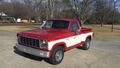
I have an 83 F150. It’s a Frankenstein set up. When I bought it some one took out the inline 6 and replaced it with a 351M. This motor had high milage an leaked like crazy an ran poopy. So I pulled it an freshened it up. Block was in good shape so honed cylinders an added new rings bearings cam lifters etc…. I also added in aluminum intake an Edelbrock carb. dropped it back in runs well.
Ok so the problem I have been having is that the front and rear rubber intake gaskets keep blowing out. I have the aluminum Turkey pan gasket in an the the rubber end gaskets. Used the black oil resistant RTV. Happened once popped off intake replaced end gaskets resealed happened again.
Should I be using a different something different? Or should I just use RTV on the end with no gasket?
many help would be cool. Thanks ahead of time
Yes throw out the rubber end seals.
Use carb clean or brake clean on the motor end walls and the intake.
Add RTV to the motor side just make sure it is thick so when the intake is placed on it will squeez out but .....
Let it skim over a bit before putting the intake on.
Use the pan gasket the way you have been.
Dave ----
No skim over is it sets up or dries a little, when you touch it it will not stick to your finger.
Under the skin will still be wet.
Then drop the intake on.
Dave ----
No oil cap on one valve cover breather on the other. Thanks for the clarification.
Not so much a oil cap but the PCV pulls vapors out and with out it the crank case builds up pressure and blows out gaskets.
Because you are pulling out vapors you have to let in clean air.
Factory had a hose from the other valve cover to the air filter with a little filter in it.
This way any air being pulled out was replaced with the clean air and all gasket will be happy.
Not if you have to much blow by, worn out motor, then the PCV cant keep up and you have issues.
Dave ----
I think Dave is right on the money with crankcase pressure building due to no PCV system. In addition, new rings with existing pistons won't always create a very good seal. I bet you're getting a fair amount of compression blow-by into the crankcase. That means you've got too much pressure getting into the crankcase, with nowhere for it to go.
I'd also suggest doing a dry test fit of the intake manifold. Take a couple of long bolts, same threads as the manifold bolts, and cut off the heads. Now you have long guide pins to make it easy to align the manifold.
Set the manifold and turkey pan in place and measure the gap front and rear, between the bottom of the manifold and top of the block. Push up on the turkey pan to get an accurate reading underneath, where the Pop-O-Matic rubber end pieces normally go. Stack up some feeler gauges or use the shank of a drill bit for an accurate measurement. Ideally, this gap should be about 90% of the uncompressed thickness of the rubber end pieces. That squeezes the rubber piece just enough for a good seal, without being so tight it keeps the rest of the manifold from properly sealing to the cylinder heads.
Some people hate them, but I had the rubber end pieces for years on my 351W without any issues. I'm currently installed a reman engine, and the sides of the cylinder heads have been cleaned up. This causes the manifold to drop down further into the V between the heads, and leaves too little of a gap for the rubber seals. I had to omit them and use RTV instead.
With the turkey pan, you may find it difficult to get a good RTV seal if everything is installed in one fell swoop. The metal flanges at each end will tend to twist and float in the gap. The floating/twisting action can squeeze out the RTV, and then pull away leaving a gap. I recommend flipping the manifold upside down and first sealing the turkey pan to it at each end with RTV. Use weights to loosely hold the turkey pan to the bottom of the manifold, and let the sealant cure fully. Don't clamp the pieces together super tight, as the turkey pan may twist free and break the RTV bond when you release the clamps or weights. You want just enough pressure to lightly hold the pan and let it settle into its natural position, even if slightly twisted. Let this cure overnight. Once fully cured, add another layer of RTV on top of the engine block. Set this manifold/turkey pan combo loosely in place (aligned with the guide pins) and let this second bead of RTV cure overnight. You can install the bolts now, but leave them loose. The next day you can torque down the bolts. This second bead of RTV will have cured slightly thicker than the finished gap, and will compress nicely when the bolts are tightened.
I have found if I want to use the end gaskets, to use the yellow glue type sealer and glue them in place. And then set the intake in place over top the rubber pieces. You should still use a dab of rtv in the corners. I do not think your engine has coolant running through the intake, so no worries there about coolant leaks.
I've used this Permatex gasket maker many times instead of the rubber end seals on the intake manifold gasket of my Oldsmobile. I figure it would work the same for a
Rezvani's Latest Post-Apocalytic Monster Is a Ford F-150 Raptor Underneath
Slideshow: Called the Fortress, the 850-horsepower pickup combines Raptor underpinnings with military-inspired features, survival equipment, and a starting price of $285,000.