


80 F150 starting problems


Thread Starter
|
4wd Low
Joined: Feb 2006
Posts: 10
Likes: 0
80 F150 starting problems
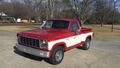
Geez, old man here trying to help my son. Here's the situation;1980 F150 351 automatic 4x4 rarely used, dump runs etc.A few weeks ago, truck wouldn't start and no lights etc. New battery installed, new cables but used old ground cable piece to ground from frame to engine. Cleaned both thoroughly before attaching. Still nada. New solenoid....almost started and starter wouldn't stop turning.. love those Chinese parts! Purchased another solenoid and all is well! A few days later, son needs to use truck..started fine and he drove it roughly 50 miles. Got home, parked it. Today, A few days later, he needed it to run a couple errands. No start! Nothing. He figured it was the starter so he purchased another. We put that on this evening but still no start. However, loud clicking from solenoid with key turn. Tried to jump across terminals....sparks but no starter activation. I'm baffled. Any of you have any thoughts on potential problem?
FTE Legend


Joined: Nov 2015
Posts: 30,502
Likes: 3,999
From: Angier, NC

So this no start is iYou get lights on dash and radio will work but just the clunk?
You get nothing no lights or clunk?
I had a lights and radio turn key and clunk. All cables are new less than 2 years old same with battery. I cleaned all connections and same thing.
What fixed mine was a top of the line relay from NAPA and clean all connections again.
The relay needs a good ground to the inner fender.
I also did not see where you have a ground from motor to frame and to the body / cab. Factory had all that as did mine, all new with the cab off rebuild and still the clunk till I replace the relay with a good one.
Dave ----
You get nothing no lights or clunk?
I had a lights and radio turn key and clunk. All cables are new less than 2 years old same with battery. I cleaned all connections and same thing.
What fixed mine was a top of the line relay from NAPA and clean all connections again.
The relay needs a good ground to the inner fender.
I also did not see where you have a ground from motor to frame and to the body / cab. Factory had all that as did mine, all new with the cab off rebuild and still the clunk till I replace the relay with a good one.
Dave ----


Thread Starter
|
4wd Low
Joined: Feb 2006
Posts: 10
Likes: 0
So this no start is iYou get lights on dash and radio will work but just the clunk?
You get nothing no lights or clunk?
I had a lights and radio turn key and clunk. All cables are new less than 2 years old same with battery. I cleaned all connections and same thing.
What fixed mine was a top of the line relay from NAPA and clean all connections again.
The relay needs a good ground to the inner fender.
I also did not see where you have a ground from motor to frame and to the body / cab. Factory had all that as did mine, all new with the cab off rebuild and still the clunk till I replace the relay with a good one.
Dave ----
You get nothing no lights or clunk?
I had a lights and radio turn key and clunk. All cables are new less than 2 years old same with battery. I cleaned all connections and same thing.
What fixed mine was a top of the line relay from NAPA and clean all connections again.
The relay needs a good ground to the inner fender.
I also did not see where you have a ground from motor to frame and to the body / cab. Factory had all that as did mine, all new with the cab off rebuild and still the clunk till I replace the relay with a good one.
Dave ----
We have a brand new battery and cables except to mimick the stock set up, we used a piece of the old negative cable to run from the same engine ground location, over to the body location near frame. I sanded / scraped the ground points to bare metal.
This truck started and ran well 2 days earlier.
Battery, as noted, is brand new and held a good charge.

Lead Driver


Joined: Nov 2013
Posts: 7,067
Likes: 1,132
A few random thoughts offered for free, and worth every penny. I'm about to get up my soapbox about the importance of charging the battery, so here is some appropriate theme music:
1) Charge that poor battery. This is step #1 for any electrical troubleshooting. Don't rely on the alternator to have fully charged the battery. Don't go troubleshooting without being absolutely positive the battery is fully charged, or you may miss the root cause and condemn perfectly good (read: expensive) parts. The easiest way to know is simply hook up an automatic charger overnight. You'll want something with at least a 10 amp output. Don't waste your time with trickle charger, it won't cut it.
[/soapbox mode off]
2) No more new parts until you figure what is going on. Any parts store will happily load the Parts Catapult (Pull!) for you, but this ends up getting expensive.
3) What brand starter relay did you finally install? You mentioned the first Chinese one was junk. The one presently installed? Read more here about the dismal reliability of most aftermarket brands:
https://www.ford-trucks.com/forums/1...i-mean-it.html
4) Make sure the base of the starter relay is properly grounded. The original ground is via the inner fender. This may have been adequate when brand new, but not so much years later once a little corrosion set in. A poor ground here reduces the clamping ability when the starter relay is actuated, with reduced current flow to the starter. Connect a ground jumper from the base to the starter relay to the battery's (-) post and see if that helps.
5) Test the starter relay as follows: Ignition off, key removed. Transmission in neutral or park. Parking brake set. Stay clear of the fan and belts, as the engine should spin for this test. Remove the small wire on the starter relay at the S terminal. Momentarily connect a test jumper from the battery's (+) terminal to this S terminal on the starter relay. The relay should make a satisfying clunk and the starter engages to spins the crankshaft. The engine won't start because the ignition is off, but we're not concerned with that yet.
6) The previous test only makes sure the starter relay responds to the same input as if you had turned the key to start. If no clunk and the starter relay base is properly grounded (see step #4 above), replace the starter relay with a QUALITY brand. See the link above for some brands known to work well.
7) If the starter relay makes a nice strong clunk but the starter doesn't turn (or bogs down), run the following test. This tests the battery, all cables, and the heavy contacts within the starter relay:
https://www.ford-trucks.com/forums/1...w-starter.html
8) These tests will absolutely pinpoint the problem. Once you isolate the fault(s) and correct it, compose a reply something along these lines. Feel free to use your own words, as long as you convey the general theme:
"Karl, you are an absolute genius. I followed your advice and quickly found the problem and corrected it with no wasted money or effort. What an amazing person you are. I feel like I'm a better person simply from having made your acquaintance. I bet you smell nice, too."
1) Charge that poor battery. This is step #1 for any electrical troubleshooting. Don't rely on the alternator to have fully charged the battery. Don't go troubleshooting without being absolutely positive the battery is fully charged, or you may miss the root cause and condemn perfectly good (read: expensive) parts. The easiest way to know is simply hook up an automatic charger overnight. You'll want something with at least a 10 amp output. Don't waste your time with trickle charger, it won't cut it.
[/soapbox mode off]
2) No more new parts until you figure what is going on. Any parts store will happily load the Parts Catapult (Pull!) for you, but this ends up getting expensive.
3) What brand starter relay did you finally install? You mentioned the first Chinese one was junk. The one presently installed? Read more here about the dismal reliability of most aftermarket brands:
https://www.ford-trucks.com/forums/1...i-mean-it.html
4) Make sure the base of the starter relay is properly grounded. The original ground is via the inner fender. This may have been adequate when brand new, but not so much years later once a little corrosion set in. A poor ground here reduces the clamping ability when the starter relay is actuated, with reduced current flow to the starter. Connect a ground jumper from the base to the starter relay to the battery's (-) post and see if that helps.
5) Test the starter relay as follows: Ignition off, key removed. Transmission in neutral or park. Parking brake set. Stay clear of the fan and belts, as the engine should spin for this test. Remove the small wire on the starter relay at the S terminal. Momentarily connect a test jumper from the battery's (+) terminal to this S terminal on the starter relay. The relay should make a satisfying clunk and the starter engages to spins the crankshaft. The engine won't start because the ignition is off, but we're not concerned with that yet.
6) The previous test only makes sure the starter relay responds to the same input as if you had turned the key to start. If no clunk and the starter relay base is properly grounded (see step #4 above), replace the starter relay with a QUALITY brand. See the link above for some brands known to work well.
7) If the starter relay makes a nice strong clunk but the starter doesn't turn (or bogs down), run the following test. This tests the battery, all cables, and the heavy contacts within the starter relay:
https://www.ford-trucks.com/forums/1...w-starter.html
8) These tests will absolutely pinpoint the problem. Once you isolate the fault(s) and correct it, compose a reply something along these lines. Feel free to use your own words, as long as you convey the general theme:
"Karl, you are an absolute genius. I followed your advice and quickly found the problem and corrected it with no wasted money or effort. What an amazing person you are. I feel like I'm a better person simply from having made your acquaintance. I bet you smell nice, too."
Thread Starter
|
4wd Low
Joined: Feb 2006
Posts: 10
Likes: 0
Karl, you ARE an absolute genius! All great stuff, I've forwarded it to my son's email. I'm not sure what brand the second solenoid is ............. We'll go over all this when we've got a minute. Right now we have the body off his FJ60 and are preparing the chassis for a LS and 4L60e trans repower. He's the brains, at my age and condition, I just clean up, hand him a tool now and then and kibitz a bit. We built a "custom" 75 Mercedes W114 coupe with Vette LS 2 and Tremec 6 speed. Damn nice and fast. This truck basically sits around his shop for that occasional dump run and when needed. As the FJ is his daily and his wife has the Wrangler, this truck (or the "MadCedes" fills in.
Anyway, super great input, thanks so very much. We'll be going through all of it!
Ol Ronco
"do you smell good too?"
Anyway, super great input, thanks so very much. We'll be going through all of it!
Ol Ronco
"do you smell good too?"
A few random thoughts offered for free, and worth every penny. I'm about to get up my soapbox about the importance of charging the battery, so here is some appropriate theme music:
https://www.youtube.com/watch?v=OFtNVEbasOo
1) Charge that poor battery. This is step #1 for any electrical troubleshooting. Don't rely on the alternator to have fully charged the battery. Don't go troubleshooting without being absolutely positive the battery is fully charged, or you may miss the root cause and condemn perfectly good (read: expensive) parts. The easiest way to know is simply hook up an automatic charger overnight. You'll want something with at least a 10 amp output. Don't waste your time with trickle charger, it won't cut it.
[/soapbox mode off]
2) No more new parts until you figure what is going on. Any parts store will happily load the Parts Catapult (Pull!) for you, but this ends up getting expensive.
3) What brand starter relay did you finally install? You mentioned the first Chinese one was junk. The one presently installed? Read more here about the dismal reliability of most aftermarket brands:
https://www.ford-trucks.com/forums/1...i-mean-it.html
4) Make sure the base of the starter relay is properly grounded. The original ground is via the inner fender. This may have been adequate when brand new, but not so much years later once a little corrosion set in. A poor ground here reduces the clamping ability when the starter relay is actuated, with reduced current flow to the starter. Connect a ground jumper from the base to the starter relay to the battery's (-) post and see if that helps.
5) Test the starter relay as follows: Ignition off, key removed. Transmission in neutral or park. Parking brake set. Stay clear of the fan and belts, as the engine should spin for this test. Remove the small wire on the starter relay at the S terminal. Momentarily connect a test jumper from the battery's (+) terminal to this S terminal on the starter relay. The relay should make a satisfying clunk and the starter engages to spins the crankshaft. The engine won't start because the ignition is off, but we're not concerned with that yet.
6) The previous test only makes sure the starter relay responds to the same input as if you had turned the key to start. If no clunk and the starter relay base is properly grounded (see step #4 above), replace the starter relay with a QUALITY brand. See the link above for some brands known to work well.
7) If the starter relay makes a nice strong clunk but the starter doesn't turn (or bogs down), run the following test. This tests the battery, all cables, and the heavy contacts within the starter relay:
https://www.ford-trucks.com/forums/1...w-starter.html
8) These tests will absolutely pinpoint the problem. Once you isolate the fault(s) and correct it, compose a reply something along these lines. Feel free to use your own words, as long as you convey the general theme:
"Karl, you are an absolute genius. I followed your advice and quickly found the problem and corrected it with no wasted money or effort. What an amazing person you are. I feel like I'm a better person simply from having made your acquaintance. I bet you smell nice, too."
https://www.youtube.com/watch?v=OFtNVEbasOo
1) Charge that poor battery. This is step #1 for any electrical troubleshooting. Don't rely on the alternator to have fully charged the battery. Don't go troubleshooting without being absolutely positive the battery is fully charged, or you may miss the root cause and condemn perfectly good (read: expensive) parts. The easiest way to know is simply hook up an automatic charger overnight. You'll want something with at least a 10 amp output. Don't waste your time with trickle charger, it won't cut it.
[/soapbox mode off]
2) No more new parts until you figure what is going on. Any parts store will happily load the Parts Catapult (Pull!) for you, but this ends up getting expensive.
3) What brand starter relay did you finally install? You mentioned the first Chinese one was junk. The one presently installed? Read more here about the dismal reliability of most aftermarket brands:
https://www.ford-trucks.com/forums/1...i-mean-it.html
4) Make sure the base of the starter relay is properly grounded. The original ground is via the inner fender. This may have been adequate when brand new, but not so much years later once a little corrosion set in. A poor ground here reduces the clamping ability when the starter relay is actuated, with reduced current flow to the starter. Connect a ground jumper from the base to the starter relay to the battery's (-) post and see if that helps.
5) Test the starter relay as follows: Ignition off, key removed. Transmission in neutral or park. Parking brake set. Stay clear of the fan and belts, as the engine should spin for this test. Remove the small wire on the starter relay at the S terminal. Momentarily connect a test jumper from the battery's (+) terminal to this S terminal on the starter relay. The relay should make a satisfying clunk and the starter engages to spins the crankshaft. The engine won't start because the ignition is off, but we're not concerned with that yet.
6) The previous test only makes sure the starter relay responds to the same input as if you had turned the key to start. If no clunk and the starter relay base is properly grounded (see step #4 above), replace the starter relay with a QUALITY brand. See the link above for some brands known to work well.
7) If the starter relay makes a nice strong clunk but the starter doesn't turn (or bogs down), run the following test. This tests the battery, all cables, and the heavy contacts within the starter relay:
https://www.ford-trucks.com/forums/1...w-starter.html
8) These tests will absolutely pinpoint the problem. Once you isolate the fault(s) and correct it, compose a reply something along these lines. Feel free to use your own words, as long as you convey the general theme:
"Karl, you are an absolute genius. I followed your advice and quickly found the problem and corrected it with no wasted money or effort. What an amazing person you are. I feel like I'm a better person simply from having made your acquaintance. I bet you smell nice, too."

Thread
Thread Starter
Forum
Replies
Last Post
damiunwalker
1973 - 1979 F-100 & Larger F-Series Trucks
3
Jul 7, 2019 05:58 PM
brs127s
1987 - 1996 F150 & Larger F-Series Trucks
5
May 13, 2002 02:45 PM