




Aluminum radiator question

Thread Starter
|
Hotshot


Joined: Jan 2001
Posts: 16,882
Likes: 3,126
From: SE Wisc. (the Rust Belt)
Aluminum radiator question
I posted a link to a place that builds aluminum radiators for different vintage cars on another discussion board for non Ford trucks but the question I have to a reply I got does apply to all vehicles in the old car hobby. The reply came from a fellow member from New Zealand:
I am no engineer so I don't know the answer that is why I am tapping the vast brain trust of FTE. I know there are engineers and other people with experience using aluminum radiators here. Any problems like stated above? Seems like there are mostly aluminum replacement radiators being offered now for either better cost or efficiency and I haven't hear about any problems. Could be the fluid being used in the system that can affect how the two metal act together. I don't know.
Be aware of electrolysis occurring due to the use of dissimilar metals being used in the vehicle cooling system which converts the cooling system into a battery! eg. Cast Iron engine and an aluminum radiator a recipe for disaster. With my 60 years of experience as an engineer in the automotive trade I have seen plenty of examples of engines ruined by such applications . Buyer beware.

Post Fiend


Joined: Feb 2001
Posts: 6,328
Likes: 124
From: Iowa
Better tell that to a million drag racers including myself. Not to mention a lot of OEM iron blocks, aluminum head with aluminum cores in the radiator and heater. I'd like to see an example of such a problem.

Cross-Country
Joined: Apr 2019
Posts: 70
Likes: 6
Coolant technology has come a long way; the right coolant choice is important for dissimilar metals. Pretty comprehensive article:
https://www.chevyhardcore.com/tech-s...eze-chemistry/
https://www.chevyhardcore.com/tech-s...eze-chemistry/
Fleet Mechanic


Joined: Feb 2015
Posts: 1,666
Likes: 111
From: southwest missouri

Can't speak for all cars but long ago I had a 62 corvette and it was aluminum Harrison radiator. Never had a problem. In aircraft school we did touch on electrolysis and corrosion.
Thread Starter
|
Hotshot
Joined: Jan 2001
Posts: 16,882
Likes: 3,126
From: SE Wisc. (the Rust Belt)
Coolant technology has come a long way; the right coolant choice is important for dissimilar metals. Pretty comprehensive article:
https://www.chevyhardcore.com/tech-s...eze-chemistry/
https://www.chevyhardcore.com/tech-s...eze-chemistry/
Post Fiend
Joined: Feb 2001
Posts: 6,328
Likes: 124
From: Iowa
This post made me go take a re-look at Champion radiator website. They have millions of aluminum radiators on the road and mine is 10 years old. They still recommend old school ethylene glycol based. They have some crazy photos of failures, especially the "red" coolants like I believe Toyota uses. They have a cross section section cut for illustration and it looks like somebody poured a gallon of stop leak in it. Completely sealed off the radiator in less than a year.

Cargo Master
Joined: Sep 2004
Posts: 2,757
Likes: 138
From: Alberta Canada
Geez
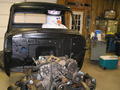
Well made some progress with engine swap, and ready to install brand new Al radiator and this pops up. More research to do so I get the coolant right.
Trending Topics

Cargo Master
Joined: Mar 2001
Posts: 2,759
Likes: 70
From: Elk River, MN
There is some interaction between dissimilar metals, but not when they do not touch, like a radiator and rubber hoses. You can see the interaction between say an aluminum thermostat housing and a cast iron block when coolant changes temperature and aluminum and cast iron do not react the same, The aluminum will tend to form small amounts of "crud" caused by the interaction. Newer coolant formulas reduces the interaction somewhat. An aluminum radiator standing alone with coolant does not cause any interaction of dissimilar metals. Joe, 79 year old mechanical engineer with 27 years working for Ford Light Truck engineering.
FTE Stories
Ford Trucks for Ford Truck Enthusiasts

10 Things Every Truck Owner NEEDS (2026 Edition)
Michael S. Palmer
Rezvani's Latest Post-Apocalyptic Monster Is a Ford F-150 Raptor Underneath
Verdad Gallardo
Top 10 Most Expensive Ford Trucks Ever Sold on Bring a Trailer
Joe Kucinski
2027 Ford Super Duty Buyer's Guide (Every Model, Engine, & Package)
Brett Foote
Top 10 Ford Truck Tragedies
Joe Kucinski
AEV FXL Super Duty - the Super Duty Raptor Ford Doesn't Make
Brett Foote
Lobo Vs Lobo: Proof the F-150 Lobo Should Be Even Lower!
Michael S. Palmer
Ford's 2001 Explorer Sportsman Concept Looks For a New Home
Verdad Gallardo
10 Best Ford Truck Engines We Miss the Most!
Joe Kucinski
Post Fiend
Joined: Feb 2001
Posts: 6,328
Likes: 124
From: Iowa
The only thing I am sure of is I have seen some real messes from mixing antifreeze types. I've worked on cars where somebody mixed whatever with DexCool and it makes a nasty slimy mess that starts clogging stuff. Whenever I do a repair that cracks open a cooling system I pretty much insist they are getting a thorough flush and I'll fill it with whatever they choose. That has kept me out of trouble so far.
Cargo Master
Joined: Sep 2004
Posts: 2,757
Likes: 138
From: Alberta Canada
Thread Starter
|
Hotshot
Joined: Jan 2001
Posts: 16,882
Likes: 3,126
From: SE Wisc. (the Rust Belt)
I'm glad I was able to stimulate some thought here. I just posted to gain some information for myself because I know absolutely nothing about the different coolants and the results of using aluminum radiators. Aluminum radiators just seem like the way everyone is going and even though my F-2 is all stock it does have 70 year old radiator in it and I'm sure it's going to fail some time down the road. I've replaced radiators with used ones I have but they are all getting old. I would like to keep the old truck on the road as long as I can drive it.



More Turbo

Joined: Jan 2006
Posts: 615
Likes: 6
From: Tucson, AZ
There will be corrosion by electrolysis in your engine radiator coolant system. This is due to the dissimilar metals (Aluminum and cast iron), stray electrical currents and the common conductor the coolant. Here is a link that is helpful to us all about electrolysis:
https://knowledge.northernfactory.co...497.1624587658
You need to make sure you have good grounds throughout your truck and have a sacrifical anode in your coolant.
The right coolant is critical for your engine coolant system. Here is a link to Ford's recommendations on type of coolant:
https://parts.ford.com/content/dam/f...sage_Chart.pdf
Most of us will be using the "green stuff", or ethylene glycol in our systems. When you fill your coolant system with the correct coolant if you don't use the pre-mixed coolant then dilute your concentrate coolant with water make sure you use distilled water as the dissolved solids in the tap water will immediately start to degrade your coolant. And just like oil, coolant has a specified life and needs to be replaced periodically.
Here endeth the engineering lesson for today, said the retired mechanical engineer.
https://knowledge.northernfactory.co...497.1624587658
You need to make sure you have good grounds throughout your truck and have a sacrifical anode in your coolant.
The right coolant is critical for your engine coolant system. Here is a link to Ford's recommendations on type of coolant:
https://parts.ford.com/content/dam/f...sage_Chart.pdf
Most of us will be using the "green stuff", or ethylene glycol in our systems. When you fill your coolant system with the correct coolant if you don't use the pre-mixed coolant then dilute your concentrate coolant with water make sure you use distilled water as the dissolved solids in the tap water will immediately start to degrade your coolant. And just like oil, coolant has a specified life and needs to be replaced periodically.
Here endeth the engineering lesson for today, said the retired mechanical engineer.
More Turbo
Joined: Jan 2006
Posts: 615
Likes: 6
From: Tucson, AZ
Okay, I stand corrected. The link to chevyhardcore posted by drdre. recommends not to use distilled water but rather "soft" water or water from a reverse osmosis system. Their explanation is correct.
This link: https://www.chevyhardcore.com/tech-s...eze-chemistry/
This link: https://www.chevyhardcore.com/tech-s...eze-chemistry/