




Fuel pressure issues

Thread Starter
|
Freshman User
Joined: Apr 2021
Posts: 40
Likes: 0
Fuel pressure issues
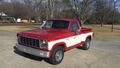
1986 f150 v8 5.0 Lariat XLT (Back tank deleted)
Hey everybody im clueless once again,
Been doing lots of repairs and maintanence checks everywhere to get it street ready, and a lingering issue since i bought the truck is fuel pressure.
At first fuel pressure was fine but would bleed within a minute, so went through and did the lines again and finally stopped the bleeding. Recently truck has been starting very very slow (like 10 psi eventually getting to 30 while cranking)
and finally i went through and checked the pressure again and it was rough. With about 6 primes it can get to the fuel pressure needed, and when i crank the pressure builds up to about 40 to run. I have replaced and tested
the intank pump and its problems, injectors have been replaced and recently replaced fuel filter. The high pressure pump runs, havent tested if it "really works" but it does run and moves gas. Back tank is deleted so the line of fuel goes
Tank- low pressure- high pressure- fuel filter- fuel rail- fpr- tank
There is a smell of gas out of the fpr, but i really dont think that is a reason since the rail isnt loosing pressure, even though the fpr isnt probably at its best. Might of missed some info so feel free to ask,
Hope someone can help,
Andrew
Hey everybody im clueless once again,
Been doing lots of repairs and maintanence checks everywhere to get it street ready, and a lingering issue since i bought the truck is fuel pressure.
At first fuel pressure was fine but would bleed within a minute, so went through and did the lines again and finally stopped the bleeding. Recently truck has been starting very very slow (like 10 psi eventually getting to 30 while cranking)
and finally i went through and checked the pressure again and it was rough. With about 6 primes it can get to the fuel pressure needed, and when i crank the pressure builds up to about 40 to run. I have replaced and tested
the intank pump and its problems, injectors have been replaced and recently replaced fuel filter. The high pressure pump runs, havent tested if it "really works" but it does run and moves gas. Back tank is deleted so the line of fuel goes
Tank- low pressure- high pressure- fuel filter- fuel rail- fpr- tank
There is a smell of gas out of the fpr, but i really dont think that is a reason since the rail isnt loosing pressure, even though the fpr isnt probably at its best. Might of missed some info so feel free to ask,
Hope someone can help,
Andrew

Moderator


Joined: Jan 2001
Posts: 57,014
Likes: 2,751
From: Virginia

So the engine runs fine? It just cranks excessively after it sits? And you checked recently and the fuel pressure is dropping fast after the engine is turned off?
Or is the problem the pressure is low after sitting for awhile (can be normal), but you are complaining the pressure is not building up fast enough?
Or is the problem the pressure is low after sitting for awhile (can be normal), but you are complaining the pressure is not building up fast enough?
Thread Starter
|
Freshman User
Joined: Apr 2021
Posts: 40
Likes: 0
Hey Franklin,
Yes, the pressure barely barely builds up on prime (within 10 psi), but also has led to some running shutters and such. Idle surges up and down but eventually the idle will come to a stand still (Dont think thats really a fuel symptom). The engine runs pretty well but when starting it coughs gas and has a really rough time turning over, after it does come on it surges in rpms in within 5 mins or so the idle comes down (also dont know if that is a symptom). And no, even with built pressure in the rail the cranking is excessive, and after i run it for awhile (engine hot) it barely wants to start at all. All ignition has been replaced and adjusted (besides timing). So i am kinda at a loss, but overall yes the prime only moves the guage within 10 psi and is causing some running issues somewhere. After i run the engine and turn it off it loses 5-10 psi and then holds 20-30 for about 15 minutes.
Thanks, Andrew
Yes, the pressure barely barely builds up on prime (within 10 psi), but also has led to some running shutters and such. Idle surges up and down but eventually the idle will come to a stand still (Dont think thats really a fuel symptom). The engine runs pretty well but when starting it coughs gas and has a really rough time turning over, after it does come on it surges in rpms in within 5 mins or so the idle comes down (also dont know if that is a symptom). And no, even with built pressure in the rail the cranking is excessive, and after i run it for awhile (engine hot) it barely wants to start at all. All ignition has been replaced and adjusted (besides timing). So i am kinda at a loss, but overall yes the prime only moves the guage within 10 psi and is causing some running issues somewhere. After i run the engine and turn it off it loses 5-10 psi and then holds 20-30 for about 15 minutes.
Thanks, Andrew
Last edited by andrewrandall01; Apr 30, 2021 at 12:46 PM.
Thread Starter
|
Freshman User
Joined: Apr 2021
Posts: 40
Likes: 0
Update:
Psi after priming maybe built up about 5 psi after every prime with the high pressure weazing pressure. BUT what i found is that after 3 or so primes the wheezing stopped and the fuel pressure shot up like there was air in the line.
I going to go through and check all my lines for leaks or whatever it could be but im thinking since my high pressure went from screaming to almost no sounds i think i have an air bleeding issue. ALSO psi bled about 15 psi after i turned the key off if that means anything to anybody.
Psi after priming maybe built up about 5 psi after every prime with the high pressure weazing pressure. BUT what i found is that after 3 or so primes the wheezing stopped and the fuel pressure shot up like there was air in the line.
I going to go through and check all my lines for leaks or whatever it could be but im thinking since my high pressure went from screaming to almost no sounds i think i have an air bleeding issue. ALSO psi bled about 15 psi after i turned the key off if that means anything to anybody.
Moderator
Joined: Jan 2001
Posts: 57,014
Likes: 2,751
From: Virginia
I am trying to zero in on one serious problem. I guess that would be not starting hot. I would not monitor and wonder about the fuel psi until it will not start. If you have good fuel psi and it will not start, you have some other problem besides fuel psi.
So the next time it won't start, check the psi and then check for spark.
So the next time it won't start, check the psi and then check for spark.
Thread Starter
|
Freshman User
Joined: Apr 2021
Posts: 40
Likes: 0
From what ive read i am assuming my starter is just not enough of a jump, battery is 750cc with a 65, so it has to be the starter. All engine components have been tested and rewired. But yea i will go through and make sure there isnt any obvious leaks and just clean all of it and let everyone know of any solutions.
FTE Legend


Joined: Nov 2015
Posts: 30,966
Likes: 4,130
From: Angier, NC
Update:
Psi after priming maybe built up about 5 psi after every prime with the high pressure weazing pressure. BUT what i found is that after 3 or so primes the wheezing stopped and the fuel pressure shot up like there was air in the line.
I going to go through and check all my lines for leaks or whatever it could be but im thinking since my high pressure went from screaming to almost no sounds i think i have an air bleeding issue. ALSO psi bled about 15 psi after i turned the key off if that means anything to anybody.
Psi after priming maybe built up about 5 psi after every prime with the high pressure weazing pressure. BUT what i found is that after 3 or so primes the wheezing stopped and the fuel pressure shot up like there was air in the line.
I going to go through and check all my lines for leaks or whatever it could be but im thinking since my high pressure went from screaming to almost no sounds i think i have an air bleeding issue. ALSO psi bled about 15 psi after i turned the key off if that means anything to anybody.
I am trying to zero in on one serious problem. I guess that would be not starting hot. I would not monitor and wonder about the fuel psi until it will not start. If you have good fuel psi and it will not start, you have some other problem besides fuel psi.
So the next time it won't start, check the psi and then check for spark.
So the next time it won't start, check the psi and then check for spark.
Psi after priming maybe built up about 5 psi after every prime with the high pressure weazing pressure. BUT what i found is that after 3 or so primes the wheezing stopped and the fuel pressure shot up like there was air in the line.
Are both low PSI & high PSI pumps to run when priming?
What should the running PSI be?
If the fuel PSI is not there, no gas, how will it start / run?
Now if the fuel PSI was there then I would maybe look into the wiring to the injectors.
Dave ----
Trending Topics
Moderator
Joined: Jan 2001
Posts: 57,014
Likes: 2,751
From: Virginia
I see it as a fuel PSI thing.
What should the normal PSI be with just turning the key on - prime just 1 time?
Are both low PSI & high PSI pumps to run when priming?
What should the running PSI be?
If the fuel PSI is not there, no gas, how will it start / run?
Now if the fuel PSI was there then I would maybe look into the wiring to the injectors.
Dave ----
What should the normal PSI be with just turning the key on - prime just 1 time?
Are both low PSI & high PSI pumps to run when priming?
What should the running PSI be?
If the fuel PSI is not there, no gas, how will it start / run?
Now if the fuel PSI was there then I would maybe look into the wiring to the injectors.
Dave ----
FTE Stories
Ford Trucks for Ford Truck Enthusiasts

Top 6 Best Deals Available on New Fords & Lincolns Right Now
Brett Foote
This Hennessey Takes the Expedition Tremor's Off-Roading Capability to the Next Level
Verdad Gallardo
Top 10 Fords at 2026 Carlisle Ford Nationals
Joe Kucinski
3 Best / 3 Worst Parts of Modern Ford Ownership
Brett Foote
10 Amazing Upgrades That Solve Common Ford Truck Owner Headaches
Pouria Savadkouei
Every 2026 Ford Engine Explained
Brett Foote
10 Ugly Ford Trucks That We Still Kinda Love
Joe Kucinski
10 Things Every Truck Owner NEEDS (2026 Edition)
Michael S. Palmer
Rezvani's Latest Post-Apocalyptic Monster Is a Ford F-150 Raptor Underneath
Verdad Gallardo
FTE Legend
Joined: Nov 2015
Posts: 30,966
Likes: 4,130
From: Angier, NC
Hey Franklin,
Yes, the pressure barely barely builds up on prime (within 10 psi), but also has led to some running shutters and such. Idle surges up and down but eventually the idle will come to a stand still (Dont think thats really a fuel symptom). The engine runs pretty well but when starting it coughs gas and has a really rough time turning over, after it does come on it surges in rpms in within 5 mins or so the idle comes down (also dont know if that is a symptom). And no, even with built pressure in the rail the cranking is excessive, and after i run it for awhile (engine hot) it barely wants to start at all. All ignition has been replaced and adjusted (besides timing). So i am kinda at a loss, but overall yes the prime only moves the guage within 10 psi and is causing some running issues somewhere. After i run the engine and turn it off it loses 5-10 psi and then holds 20-30 for about 15 minutes.
Thanks, Andrew
Yes, the pressure barely barely builds up on prime (within 10 psi), but also has led to some running shutters and such. Idle surges up and down but eventually the idle will come to a stand still (Dont think thats really a fuel symptom). The engine runs pretty well but when starting it coughs gas and has a really rough time turning over, after it does come on it surges in rpms in within 5 mins or so the idle comes down (also dont know if that is a symptom). And no, even with built pressure in the rail the cranking is excessive, and after i run it for awhile (engine hot) it barely wants to start at all. All ignition has been replaced and adjusted (besides timing). So i am kinda at a loss, but overall yes the prime only moves the guage within 10 psi and is causing some running issues somewhere. After i run the engine and turn it off it loses 5-10 psi and then holds 20-30 for about 15 minutes.
Thanks, Andrew
What if he is cranking it a lot to build fuel PSI and over heating the starter and it is just wore out now?
I think he needs to disconnect (electrical part) the 2 pumps (low & high PSI) to see what happens.
It should not build any PSI at all.
Then hook up the low PSI pump and see if when priming it builds any PSI.
May even want to remove the fuel line out of the pump to see if he is getting anything when priming.
If that checks out after a few tests do the same to the high PSI pump.
I am guessing that 1 or both pumps are having issues when trying to prime the system and he needs to find what one it is and that is the only way I know of testing.
Once he can get the fuel to build PSI every time when priming then we can look into the hot no crank as we should be able to start the motor every time being it now has fuel PSI.
But thats just me LOL
Dave ----

Lead Driver


Joined: Nov 2013
Posts: 7,184
Likes: 1,175
Crank: The ability of the starter system to spin the crankshaft at a healthy speed so the engine can then start. This cranking speed needs to be reliable under all conditions, regardless of whether the engine actually runs on it own when the key is released from the Start position. Is the starter cranking speed good at all times? This is a basic prerequisite to get the engine running. It will do no good to spend lots of time and effort on the fuel and ignitions systems if the starter system can't get the crankshaft spinning first at the proper speed. "Crank" can also refer to a crabby old guy who tends to split hairs in online forums.
Start: What the engine does once the starter system spins (cranks) the crankshaft at a good speed. Fuel is delivered, ignition takes place, and the engine now spins the crankshaft without any help from the starter.
Turn over: A flaky pastry with a fruit filling and light frosting. Mmmm! Goes really well with hot coffee served by a cute young waitress with Daddy issues.


Cargo Master

Joined: Sep 2006
Posts: 2,120
Likes: 390
From: Evansville, Indiana
Regarding the fuel system in this 1986 5.0L EFI:
When the key is turned to the on position, the in-line high pressure pump runs for a timed cycle controled by the ECM (computer). The cycle is normally no more than two seconds. At this point the pressure in the rail should be at least 30psi. The pressure should not drop at all if the key is turned off. If pressure drops, the #1 most likely cause is a failed check valve at the high pressure pump discharge. Less likely causes for pressure dropping are fouled fuel flow valve (FFV, commonly also called fuel pressure valve) or ruptured diaphragm in FFV. Also, fuel injector can be leaking. All three less likely causes will show a steady loss of pressure all the way to minimum pressure. Normally about 3psi. The failing high pressure pump check can allow pressure to drop at any rate, stop dropping at any pressure.
The OP does cite possible air issue with fuel system. The entire fuel delivery system is designed to be completely full of fuel at all times. In a perfectly operating system the pressure between the HP pump and FFV would never fall below 30psi. Specs say pressure should hold at 30psi or above for twenty minutes. The primary side of the fuel system, the low pressure tank pump loop normally holds about 3psi.
OP says one tank has been deleted. One might assume that the two now unused ports at the six port reservoir were simply disconnected and capped. I do not know if this could cause the reservoir to siphon empty, fuel draining to tank. I doubt it though. Easy enough to check. Unscrew reservoir cap from the parked overnight truck.
Note: I plan to delete my truck's side tank. I bought a four port reservoir ($70) for this.
My view: If the primary loop is full of fuel, the most likely culprit is the HP pump and its integral check valve.
OP says FFV smells of gasoline. Test: disconnect vacuum source and build fuel pressure. If the FFV diaphragm is leaking, you'll get fuel running out of the vacuum connection port.
When the key is turned to the on position, the in-line high pressure pump runs for a timed cycle controled by the ECM (computer). The cycle is normally no more than two seconds. At this point the pressure in the rail should be at least 30psi. The pressure should not drop at all if the key is turned off. If pressure drops, the #1 most likely cause is a failed check valve at the high pressure pump discharge. Less likely causes for pressure dropping are fouled fuel flow valve (FFV, commonly also called fuel pressure valve) or ruptured diaphragm in FFV. Also, fuel injector can be leaking. All three less likely causes will show a steady loss of pressure all the way to minimum pressure. Normally about 3psi. The failing high pressure pump check can allow pressure to drop at any rate, stop dropping at any pressure.
The OP does cite possible air issue with fuel system. The entire fuel delivery system is designed to be completely full of fuel at all times. In a perfectly operating system the pressure between the HP pump and FFV would never fall below 30psi. Specs say pressure should hold at 30psi or above for twenty minutes. The primary side of the fuel system, the low pressure tank pump loop normally holds about 3psi.
OP says one tank has been deleted. One might assume that the two now unused ports at the six port reservoir were simply disconnected and capped. I do not know if this could cause the reservoir to siphon empty, fuel draining to tank. I doubt it though. Easy enough to check. Unscrew reservoir cap from the parked overnight truck.
Note: I plan to delete my truck's side tank. I bought a four port reservoir ($70) for this.
My view: If the primary loop is full of fuel, the most likely culprit is the HP pump and its integral check valve.
OP says FFV smells of gasoline. Test: disconnect vacuum source and build fuel pressure. If the FFV diaphragm is leaking, you'll get fuel running out of the vacuum connection port.

Thread
Thread Starter
Forum
Replies
Last Post
nickpierce
1987 - 1996 F150 & Larger F-Series Trucks
7
Jul 8, 2007 07:14 AM
jnickles
1987 - 1996 F150 & Larger F-Series Trucks
2
Jun 10, 2006 03:16 PM