


Interior change

Thread Starter
|
Senior User
Joined: Jun 2015
Posts: 114
Likes: 0
Interior change
Hey everyone,
I was just wondering how feasible it would be to remove the headliner and rear plastics in my cab and find the style they did in the base models where it was all open. Unfortunately all my plastics have become old and brittle with time and finding replacements for all of that has been a nightmare. I do realize there will be screw holes, but was wondering if anyone had done this? I am do to replace my rear window and so I am afraid removing some of those plastics will break them.
Thanks
I was just wondering how feasible it would be to remove the headliner and rear plastics in my cab and find the style they did in the base models where it was all open. Unfortunately all my plastics have become old and brittle with time and finding replacements for all of that has been a nightmare. I do realize there will be screw holes, but was wondering if anyone had done this? I am do to replace my rear window and so I am afraid removing some of those plastics will break them.
Thanks

More Turbo
Joined: Mar 2015
Posts: 666
Likes: 5
From: Springfield, MO
Just ran out to the shop and and took a quick look at my non-headliner truck and my headerliner (removed) cab. Nothing stood out to me as to why it wouldn't work. Looks like you'd have some holes above the back window for that long piece of trim and then would have to drill a hole at the top of the A pillar for that trim. Didn't dry fit any pieces though so this was just a quick visual. 1985 Custom vs 1986 Lariat.
More Turbo
Joined: Mar 2015
Posts: 666
Likes: 5
From: Springfield, MO
I've had the thought that if the trim in my 80 ever got bad enough I might play around with 1) bedlining it or 2) seeing if a heat shrink rubber sheeting exists that would wrap it.
I figure the bedliner would cover any epoxied over cracks or that flaky sun-damage.
Haven't done research into either options beyond the thought
I figure the bedliner would cover any epoxied over cracks or that flaky sun-damage.
Haven't done research into either options beyond the thought
Thread Starter
|
Senior User
Joined: Jun 2015
Posts: 114
Likes: 0
I know the previous owner did use the bedliner on my dash pad seeing as it had badly cracked but looks pretty solid now. I suppose it would work similar on the interior panels and would certainly strengthen them.
Senior User
Joined: May 2019
Posts: 237
Likes: 0
From: Pasco, WA
I've made quite a few things using polyester fabric and fiberglass resin. I've made side plates and fenders for motorcycles, used the method to repair plastic pieces like a patch. I'm soon going to attempt to repair a dash cover for my 86 which are hard to find without being all cracked. What you do, is abrade he surface, lightly with a wire wheel or with sand paper. Then clean real well with alcohol, then use any type of polyester fabric you want, think thin athletic material, and apply fiberglass resin to it. The fiberglass resin melts into the plastic and polyester fabric creating a great bond. Obviously you will have to sand the pieces and paint them when done, but it will add back the strength and look great. I had a dash cover for a Dodge 1500 that was broke in half. I put the two pieces together, laid a piece of fabric on the backside and used the resin, when it was done I almost couldn't see the crack anymore, and the dash had plenty of strength. I've made fenders for a bike from scratch too. I bent uyp a wire frame shaped out a piece of styro foam, then stretched the fabric over and applied resin. when the fender was done it was very strong and rigid. If you're good, you can even use material like for a fleece blanket, when the resin is applied the fabric melts and ends up with a texture similar to bed liner. Anyway, enough about it, but the more you play with this method the more ideas you can get.
For covering these plastic trim pieces, I would recommend a thin material, and you don't want to over apply the resin, use just enough to saturate. The resin tends to shrink a bit when it cures, and it will also generate a fair amount of heat as it cures, so it can cause the piece to warp if you're not careful. If it were me, I would wrap the piece, hold it in place with masking tape, then apply resin to the edges and about an inch in. Let it cure for 2 days. Then apply resin to the middle of the piece, this will allow the fabric in the middle to stretch as the resin on the edges cures first and add strength to the edges of the piece. Then when you apply resin to the inside it will not have such a risk of warping the trim.
For covering these plastic trim pieces, I would recommend a thin material, and you don't want to over apply the resin, use just enough to saturate. The resin tends to shrink a bit when it cures, and it will also generate a fair amount of heat as it cures, so it can cause the piece to warp if you're not careful. If it were me, I would wrap the piece, hold it in place with masking tape, then apply resin to the edges and about an inch in. Let it cure for 2 days. Then apply resin to the middle of the piece, this will allow the fabric in the middle to stretch as the resin on the edges cures first and add strength to the edges of the piece. Then when you apply resin to the inside it will not have such a risk of warping the trim.
Mountain Pass

Joined: Mar 2019
Posts: 103
Likes: 2
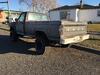
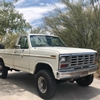
If you want I can go out and snap some pics of my truck without the headliner.
i also have another truck that HAD a headliner but doesn’t anymore if you wanna see that.
Its definitely doable and I prefer not having one!
i also have another truck that HAD a headliner but doesn’t anymore if you wanna see that.
Its definitely doable and I prefer not having one!
Trending Topics
Thread Starter
|
Senior User
Joined: Jun 2015
Posts: 114
Likes: 0
Yes please those photos would be greatly appreciated. That was my thought was simple is better if possible.
FTE Stories
Ford Trucks for Ford Truck Enthusiasts

3 Best / 3 Worst Parts of Modern Ford Ownership
Brett Foote
10 Amazing Upgrades That Solve Common Ford Truck Owner Headaches
Pouria Savadkouei
Every 2026 Ford Engine Explained
Brett Foote
10 Ugly Ford Trucks That We Still Kinda Love
Joe Kucinski
10 Things Every Truck Owner NEEDS (2026 Edition)
Michael S. Palmer
Rezvani's Latest Post-Apocalyptic Monster Is a Ford F-150 Raptor Underneath
Verdad Gallardo
Top 10 Most Expensive Ford Trucks Ever Sold on Bring a Trailer
Joe Kucinski
2027 Ford Super Duty Buyer's Guide (Every Model, Engine, & Package)
Brett Foote
Top 10 Ford Truck Tragedies
Joe Kucinski
Thread Starter
|
Senior User
Joined: Jun 2015
Posts: 114
Likes: 0
I've made quite a few things using polyester fabric and fiberglass resin. I've made side plates and fenders for motorcycles, used the method to repair plastic pieces like a patch. I'm soon going to attempt to repair a dash cover for my 86 which are hard to find without being all cracked. What you do, is abrade he surface, lightly with a wire wheel or with sand paper. Then clean real well with alcohol, then use any type of polyester fabric you want, think thin athletic material, and apply fiberglass resin to it. The fiberglass resin melts into the plastic and polyester fabric creating a great bond. Obviously you will have to sand the pieces and paint them when done, but it will add back the strength and look great. I had a dash cover for a Dodge 1500 that was broke in half. I put the two pieces together, laid a piece of fabric on the backside and used the resin, when it was done I almost couldn't see the crack anymore, and the dash had plenty of strength. I've made fenders for a bike from scratch too. I bent uyp a wire frame shaped out a piece of styro foam, then stretched the fabric over and applied resin. when the fender was done it was very strong and rigid. If you're good, you can even use material like for a fleece blanket, when the resin is applied the fabric melts and ends up with a texture similar to bed liner. Anyway, enough about it, but the more you play with this method the more ideas you can get.
For covering these plastic trim pieces, I would recommend a thin material, and you don't want to over apply the resin, use just enough to saturate. The resin tends to shrink a bit when it cures, and it will also generate a fair amount of heat as it cures, so it can cause the piece to warp if you're not careful. If it were me, I would wrap the piece, hold it in place with masking tape, then apply resin to the edges and about an inch in. Let it cure for 2 days. Then apply resin to the middle of the piece, this will allow the fabric in the middle to stretch as the resin on the edges cures first and add strength to the edges of the piece. Then when you apply resin to the inside it will not have such a risk of warping the trim.
For covering these plastic trim pieces, I would recommend a thin material, and you don't want to over apply the resin, use just enough to saturate. The resin tends to shrink a bit when it cures, and it will also generate a fair amount of heat as it cures, so it can cause the piece to warp if you're not careful. If it were me, I would wrap the piece, hold it in place with masking tape, then apply resin to the edges and about an inch in. Let it cure for 2 days. Then apply resin to the middle of the piece, this will allow the fabric in the middle to stretch as the resin on the edges cures first and add strength to the edges of the piece. Then when you apply resin to the inside it will not have such a risk of warping the trim.



FTE Legend


Joined: Nov 2015
Posts: 30,938
Likes: 4,124
From: Angier, NC

I don't know if I will have time this weekend to give it a try but I have 2 sets of kick panels and at least 1 dash pad I have started to repair.
My pad had a hole where the speaker was so I hot glued sheet metal on the back side and then filled the hole. I think I used latex sealer in a tube and just loaded it in till almost level.
Then for the cracks and a final over the speaker hole I used auto body seal sealer. That is where I left it about a year ago so it needs work before I can spray on the texture.

Now this textured spray needs to be top coated and that is not a problem for me as I am painting all the panels inside to look like new again.
Picture of the dash frame after painting with SEM color coat.

Dave ----
FTE Legend
Joined: Nov 2015
Posts: 30,938
Likes: 4,124
From: Angier, NC


This is the worst of the 2 I have and thinking I could not hurt it trying to bring it back to life!
Dave ----


