When you click on links to various merchants on this site and make a purchase, this can result in this site earning a commission. Affiliate programs and affiliations include, but are not limited to, the eBay Partner Network.
I think I need to sandblast a fixed/welded part of a chassis that is salvagable, but I have never done it and know it can be messy and unhealthy. I don't mind the expense because I see myself using it for isolated tasks for many years, but the "how" and health is what I need advice on.
I read about these units that are kinda expensive but if I got 5 years occasional use out of it, I think it'd be worth it. Says it vacuums up 90% of the stuff against a flat surface(sure...).
Snap-On has a similar setup https://store.snapon.com/Vacuum-Sand...m-P637158.aspx
Northern Tool has an identical one https://www.northerntool.com/shop/to...t2IxoCzz_w_wcB
If you have a Harbor Freight close by you can chose blast media from glass beads, walnut shells, aluminum oxide, and the aggressive "Black Beauty" (slag).
Bear in mind that there are different types and sieve sizes of media for specific applications.
I forgot that you can also get clean and dry "playground" sand at Home Depot or Lowe's for use in the pressure washer blaster.
Using sand is obsolete these days, glass bead and a proper half or full face N100 cartridge respirator is what you need in a open area. Closed confined areas need fresh air respirators but I won't cover that here.
I'm one of the posters in the HAMB link you posted. I don't like blasting, it's dirty and makes a mess no matter how careful you try to be with trying to contain it.
I've used the small type open sand pots and sealed pressurized one for larger jobs. With the smaller open type pots I've used playground sand and black slag. Black slag is pretty aggressive and I only use it in the open type of blasters because they aren't very powerful. Yeah, sand is nasty and can cause silicosis but from the articles I've read you have to be exposed for long periods of time like a pro who does blasting as a living or as a underground miner. I've blasted quite a bit over the years using sand and I'm still living. I use a respirator and blast in the open and only for a few hours averaging maybe once every year. I used to work in a truck body shop and would blast truck frames at least once a month.
If you decide to use sand make sure you buy it in paper packaging, I tried to use sand packaged in plastic and it was too wet and would clog the blaster which is real annoying. You can buy the black slag at some hardware stores.
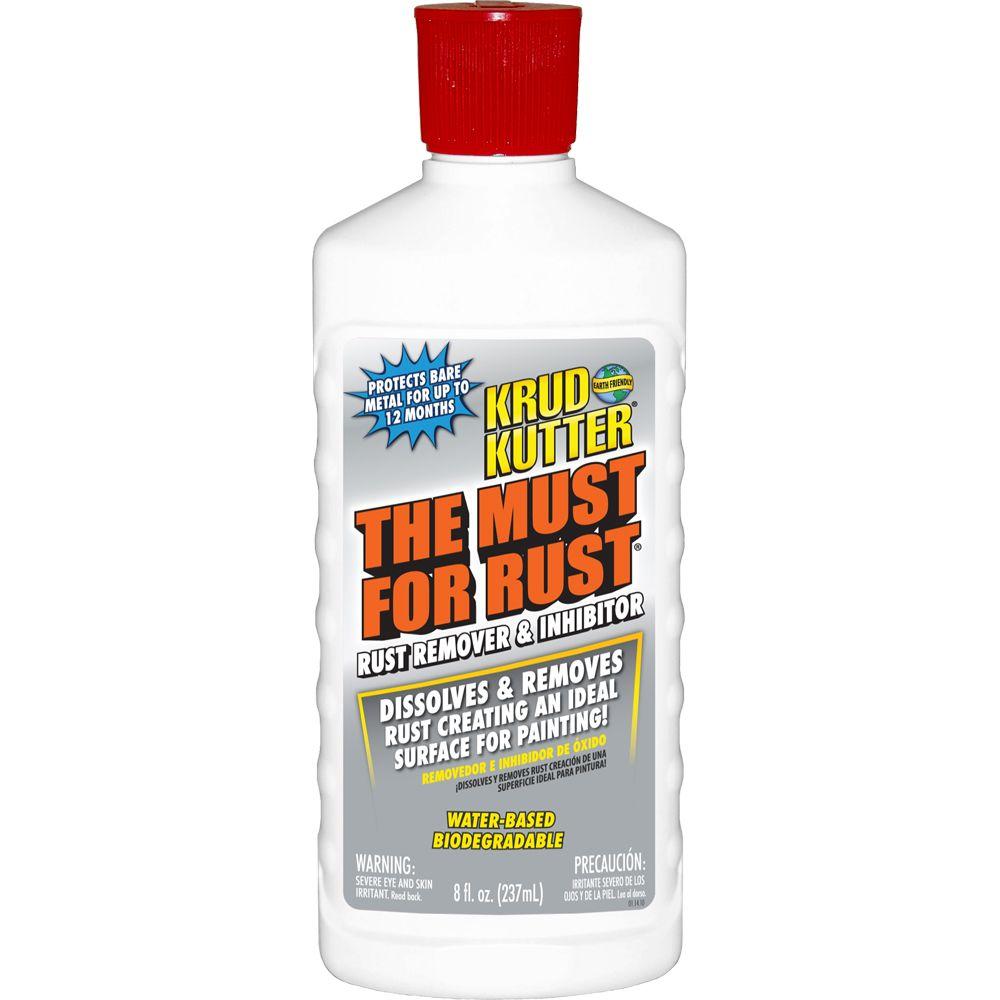
I looked at your pictures. Have you considered using a phosphoric acid based product? They work really good for deep pitted rusted metal and will not warp the metal like blasting can. I used a product called "Krud Kutter" it worked great on the rust pitted roof of my '37 Buick. It took a while but not nearly as messy as blasting.
I have not looked at that stuff. I bought some Navel jelly a while back and didn't use all of it. Would that do the same? I didn't even think of using that stuff.....thanks for the suggestion.
I do not think sandblasting is the solution to all my needs; I don't see it being a big part of my life so if I can avoid it I will. I see it more as a last resort.
I've used naval jelly in the distant past and didn't like it. It messy and if you weren't careful it can burn your skin if you get it on it. Like I said, that was a long time ago and don't remember much other that is was a gooey mess and didn't seem to work all that good. The Krud Buster product I got at my local big box store. It's phosphoric acid and you still have to take precautions to protect your eyes and skins. I think it's the best to use if doing a large piece of sheet metal like the roof of my '37 Buick or any other part that get warped if you tried to blast it especially if you've never blasted anything before. The parts you posted pictures of could be done either way. If you use Krud Buster, or any other phosphoric acid type product the trick is to keep it wet. You'll see the rust particles lift up and out of the pockets leaving clean metal. I used a small stainless steel brush to agitate the liquid to keep the action going. I bought Krud Buster in a spray bottle and the larger refill bottle. You should do it outside so whatever drips on the ground won't fall on a surface it might eat into. I laid a nylon tarp under my car because I had it my shop.
Read the instructions on the bottle. You can leave it dry on the metal and it'll form a rust inhibiting coating that can be sanded off or you can rinse it off with water.
For sandblasting I use crushed glass. I used respirators in the past but more recently I use my breathing air supply system which I also use when shooting any kind of catylyzed paint. I do not sandblast any larger relatively flat sheet metal surface such as a hood. I use paint stripper for those areas. I have an older Lindsay sandblast pot which unlike the more common Tip/Eastwood/etc pots does NOT plug. I bought my older Lindsay pot years ago second hand at Hershey.
You absolutely need to blast that area clean. Prepare yourself first, though. It just looks badly pitted right now. When the blasting is done, it will look like swiss cheese. Don't be surprised at all if it's so bad that it has to be cut out and replaced. It's necessary though, if you want to save it. Anything less than blasting it clean will result in the rust coming back with a vengeance. Phosphoric acid products are awesome for light surface fuzz on sheetmetal, but worthless once it has as tight a grip on the steel as it has in that package tray area.
I also have and use what Smitty posted, I have done my entire cab, my frame, several small parts and other projects with it. There is no dust with it and the water cool the metal to prevent warping. My cab was done 5 years ago and it is still in raw water sandblasted finish, no primer, is stored under tarps most of the time and still does not have surface rust on it. I know I have a mostly dry climate where I am at but we had over 700 inches of snow this year and over 600 two years ago. I don't recommend not priming it but the process obviously did something to the surface.
Rezvani's Latest Post-Apocalyptic Monster Is a Ford F-150 Raptor Underneath
Slideshow: Called the Fortress, the 850-horsepower pickup combines Raptor underpinnings with military-inspired features, survival equipment, and a starting price of $285,000.