When you click on links to various merchants on this site and make a purchase, this can result in this site earning a commission. Affiliate programs and affiliations include, but are not limited to, the eBay Partner Network.
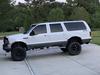
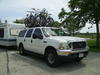
I went by the local auto parts store and bought some A/C in a can for my Excursion, I have to add some before every summer ..Turned the A/C on Max followed the directions on the back of the can , when the compressor would kick on the needle would go to 40psi , when compressor kick off go back down to 20psi ..it took the whole can but it still doesn’t seem very cold in the Excursion , should I add another can ?
It may take a lot more to make it work. I think a total system front and rear is over 4 pounds of refrigerant. You may not have to add that much but in my experience that Ford system will operate when it is in the green area on those cheap gauges you got with the can.
If you get some dye and a UV flashlight you can look for your own leaks. Then when it does fail completely you can help advise the repair guy on what needs doing.
Mine worked like yours but leaked out in a week. The compressor itself was leaking. And then a year later that remanufactured compressor leaked where the 2 halves bolted together
Because the shop I used was a NAPA certified repair shop they covered the warranty for the part and the labor. It was $700 the first time to be repaired
How many times have you been adding Freon this way? At this point the system needs a set of gauges connected to both low and high ports for a full triage of system pressures. The system probably has excess moisture, and or non condensables in it, alternately if the dryer sees too much moisture, the desiccant pellets can swell causing a restriction, or the orifice strainer could be plugged. When the system charge gets low enough, and there is no low pressure cut off, the compressor suction can drop below atmospheric pressure or (0psi), and pull in atmospheric air if the leak is anywhere on the low side.
But It sounds like your description is reversed, I could realistically see the pressures dropping on a low charge to your 20 psi, and maybe 40 on the off cycle.
That doesn't make any sense, when the compressor cycles off, suction pressures rise above the running pressure due to the system starting to immediately equalize. The only thing that makes sense with the pressures stated is if maybe hes connected to the high side port. High side pressures rise during compressor operation, and lower during the off cycle.
It makes perfect sense because the reason the compressor is turning off is there isn't enough refrigerant on the low side to maintain enough pressure to keep the LPS from kicking out.
"when the compressor would kick on the needle would go to 40psi , when compressor kick off go back down to 20psi"
The whole reason a compressor would turn off via a low pressure switch is when the pressure is too low, yes from a low charge, and the suction combined. Suction reduces the standing pressure on the low side. To have pressure rise on the suction side when running, then drop when off doesn't make any sense.
This Hennessey Takes the Expedition Tremor's Off-Roading Capability to the Next Level
Slideshow: The VelociRaptor Expedition gains a lift, upgraded suspension, Brembo brakes, and trail-ready equipment while retaining the stock 440-horsepower EcoBoost V6.
Rezvani's Latest Post-Apocalyptic Monster Is a Ford F-150 Raptor Underneath
Slideshow: Called the Fortress, the 850-horsepower pickup combines Raptor underpinnings with military-inspired features, survival equipment, and a starting price of $285,000.