



Brake flush

Thread Starter
|
Laughing Gas


Joined: Apr 2016
Posts: 850
Likes: 114
From: Virginia
Brake flush
Hey guys, over the past couple of months, my brakes have been feeling a little more spongy than normal. I really noticed the sponginess when I hooked up to a trailer a couple days ago that weighed roughly 3000 pounds (no trailer brakes, but I was only moving it 2 miles down the road). They still stop the truck fine, but the pedal goes down about 2-3 inches before any braking happens. The only brake work I've done on the truck is new pads and rotors on the rear which wouldn't allow air to enter the system seeing as how I didn't touch the calipers. Just to be sure, I bled the rear calipers yesterday thinking I might get lucky and see a couple air bubbles come out. However, there was no air at all in the rear brakes. So now I'm thinking a total flush is in order as the fluid that came out of the rear calipers yesterday was pretty nasty (dark green/brown). I don't have a helper today, so can I just gravity bleed all four calipers, or do I need a helper to push the brake pedal? I know gravity bleeding takes a while, but it will still get most of the old fluid out right? As always, thanks for any help/advice.

It's a Van Gogh


Joined: Feb 2010
Posts: 7,813
Likes: 1,335
From: Elk Grove, CA

Fluid sounds like it was a little past time, so I'd definitely do a complete flush. Might see the bubbles when you do the fronts. I like speed bleeders because I like the idea of squeezing the bubbles out. Just how I was taught, I might try gravity bleed eventually, it works for lots of people.
Friendly reminder; keep your eyes on the master cylinder, don't let it get too low. Doddering off to grab another cold one and getting distracted by the game can happen to the best of us. More than once.
Before you get to work on the flush, drive the truck until you feel the sponginess. Then stop and feel for heat from the brakes. If one or more is too hot it's probably boiling the nasty fluid, causing the spongy pedal. Sticking slide pins form an unholy alliance with waterlogged brake fluid.
Friendly reminder; keep your eyes on the master cylinder, don't let it get too low. Doddering off to grab another cold one and getting distracted by the game can happen to the best of us. More than once.
Before you get to work on the flush, drive the truck until you feel the sponginess. Then stop and feel for heat from the brakes. If one or more is too hot it's probably boiling the nasty fluid, causing the spongy pedal. Sticking slide pins form an unholy alliance with waterlogged brake fluid.
Thread Starter
|
Laughing Gas
Joined: Apr 2016
Posts: 850
Likes: 114
From: Virginia
I hadn't thought about checking for heat from the brakes, that will definitely help narrow down my problem. I know the slide pins on the rear are good to go as I greased them liberally when I did pads and rotors. Might have to check the fronts. Of course my team (Carolina Panthers) is playing on TV for the first time this season on the same day I decide to mess with the brakes lol. Then later this evening as I was putting a new boot on my driveshaft, my rear passenger's door decided to stop opening...add that to the list of winter projects to do  . Thanks for the help so far guys
. Thanks for the help so far guys
Logistics Pro
Joined: Aug 2009
Posts: 3,609
Likes: 324
From: Arizona

I found gravity bleeding worked great on the fronts but the rears took forever. I flushed the whole system very thoroughly when I replaced calipers and rubber lines up front (rears are next). I used about 3 quarts, kept t up till it was really clean. Make sure to use fresh, unopened fluid, it does absorb moisture after opening

Lead Driver
Joined: Sep 2010
Posts: 7,793
Likes: 50
When gravity feeding, you guys just crack the bleeders and let drain or is there a stick or brick against the brake pedal?
Trending Topics

Fleet Mechanic
Joined: Jul 2010
Posts: 1,753
Likes: 34
From: Los Angeles, Ca.
I'm a solo mechanic and gravity bleed everything, it works. It sounds like your system is due for a bleeding, but that's unlikely to cure your low pedal unless air got in. In your first post you said you didn't touch the calipers, but you obviously did. As long as you didn't open the bleeders, loosen the hoses, or let the pistons pop out while doing the brakes there should be no air in the system. You could have a bad hose or a sticking caliper, lower on the probability list would be a master or ABS problem.
You can't gravity bleed with a with something holding the pedal down, it has to be up. Using something to hold the pedal down is a great way to keep from loosing fluid while replacing hoses, cylinders, ABS modules, etc; it 'locks' the fluid in the master. Once the new part is in you release the brake pedal with the bleeder(s) open and gravity bleeding starts. For example, my most recent caliper hose replacement. I put a pry bar between the seat & pedal to hold it down a couple inches. Swapped the hose, opened the bleeder, and removed the pry bar. Once fluid started coming out I smacked the caliper a few times to make sure there were no trapped bubbles and closed the bleeder, good to go.
You can't gravity bleed with a with something holding the pedal down, it has to be up. Using something to hold the pedal down is a great way to keep from loosing fluid while replacing hoses, cylinders, ABS modules, etc; it 'locks' the fluid in the master. Once the new part is in you release the brake pedal with the bleeder(s) open and gravity bleeding starts. For example, my most recent caliper hose replacement. I put a pry bar between the seat & pedal to hold it down a couple inches. Swapped the hose, opened the bleeder, and removed the pry bar. Once fluid started coming out I smacked the caliper a few times to make sure there were no trapped bubbles and closed the bleeder, good to go.
FTE Stories
Ford Trucks for Ford Truck Enthusiasts

Top 10 Fords at 2026 Carlisle Ford Nationals
Joe Kucinski
3 Best / 3 Worst Parts of Modern Ford Ownership
Brett Foote
10 Amazing Upgrades That Solve Common Ford Truck Owner Headaches
Pouria Savadkouei
Every 2026 Ford Engine Explained
Brett Foote
10 Ugly Ford Trucks That We Still Kinda Love
Joe Kucinski
10 Things Every Truck Owner NEEDS (2026 Edition)
Michael S. Palmer
Rezvani's Latest Post-Apocalyptic Monster Is a Ford F-150 Raptor Underneath
Verdad Gallardo
Top 10 Most Expensive Ford Trucks Ever Sold on Bring a Trailer
Joe Kucinski
2027 Ford Super Duty Buyer's Guide (Every Model, Engine, & Package)
Brett Foote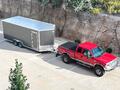
FTE Chapter Leader


Joined: Jan 2005
Posts: 13,127
Likes: 4,726
From: Henderson, NV
If you are dissatisfied with gravity bleeding, one way to get pressure behind the fluid is to use a pressure bleeder like this one:
http://www.walmart.com/ip/MOTIVE-PRO...-101/176013987
Or build your own with a garden sprayer. Just be careful not to pressurize the system too much (15psi max if memory serves). The reservoir is only held into the master cylinder by a rubber grommet.
http://www.walmart.com/ip/MOTIVE-PRO...-101/176013987
Or build your own with a garden sprayer. Just be careful not to pressurize the system too much (15psi max if memory serves). The reservoir is only held into the master cylinder by a rubber grommet.
Thread Starter
|
Laughing Gas
Joined: Apr 2016
Posts: 850
Likes: 114
From: Virginia
88 E-350, I did misspeak in my first post as I did actually touch the calipers. I meant that I didn’t disconnect any hoses or loosen the bleeder screw. Sorry for the confusion.
FordTruckNoob, thanks for the idea of the pressure bleeder. I should be fine with gravity bleeding as I’m a fairly patient guy, but depending how slow it gravity bleeds, I might go the pressure bleed route.
Also, the truck will still stop pretty quick as I came up behind a tractor with a bushog going 5mph and had to slow down from 60 pretty quick. The main thing I’m trying to get rid of is the play/spongy feeling in the pedal. I can push the pedal down about 2-3 inches before any braking happens. This was very noticeable when I towed that trailer the other day and got my attention to say the least.
FordTruckNoob, thanks for the idea of the pressure bleeder. I should be fine with gravity bleeding as I’m a fairly patient guy, but depending how slow it gravity bleeds, I might go the pressure bleed route.
Also, the truck will still stop pretty quick as I came up behind a tractor with a bushog going 5mph and had to slow down from 60 pretty quick. The main thing I’m trying to get rid of is the play/spongy feeling in the pedal. I can push the pedal down about 2-3 inches before any braking happens. This was very noticeable when I towed that trailer the other day and got my attention to say the least.
FTE Chapter Leader
Joined: Jan 2005
Posts: 13,127
Likes: 4,726
From: Henderson, NV
Originally Posted by Jo7.3
The main thing I’m trying to get rid of is the play/spongy feeling in the pedal. I can push the pedal down about 2-3 inches before any braking happens. This was very noticeable when I towed that trailer the other day and got my attention to say the least.
Fleet Mechanic
Joined: Jul 2010
Posts: 1,753
Likes: 34
From: Los Angeles, Ca.
Did that play happen all of a sudden or slowly build up? Get under the dash and press the pedal to see if there's looseness between the pedal & pushrod. If it happened right after doing the rear brakes re-visit those and see if something's not right. If you can get a helper, or tool, to hold pressure on the brake pedal check the hoses looking for any bulging/deformation. If you see anything awry in a hose replace it ASAP as it could burst at any time. I had a vehicle once where the stopper that keeps the pedal from over-traveling on the release was gone which caused a loose pedal. If your truck has a rear proportioning valve (a thing attached to the frame connected to the rear brake hoses and a rod attached to the axle housing) it can cause weak braking. It won't cause slop in the pedal, but it can make it so you have to press farther down if it's keeping the rears from working.
Another option to speed the bleed is putting vacuum to the bleeders. Or attach a hose to the bleeder nipple and drop it into a can/bottle, it not only reduces the mess, it'll let you pump the pedal without having air suck into the caliper. It speeds up the process plus the pumping action will help stir the fluid in the caliper and get more of the old stuff flushed out. When I encounter old nasty fluid I try to suck the fluid out of the master then add before bleeding. It gets a head start on the process and you'll usually notice a more dramatic color change in the draining fluid than if you're adding new fluid to the old as it goes down. If you can't suck it out, let it drain as low as possible, without sucking air, before starting to add new fluid.
Another option to speed the bleed is putting vacuum to the bleeders. Or attach a hose to the bleeder nipple and drop it into a can/bottle, it not only reduces the mess, it'll let you pump the pedal without having air suck into the caliper. It speeds up the process plus the pumping action will help stir the fluid in the caliper and get more of the old stuff flushed out. When I encounter old nasty fluid I try to suck the fluid out of the master then add before bleeding. It gets a head start on the process and you'll usually notice a more dramatic color change in the draining fluid than if you're adding new fluid to the old as it goes down. If you can't suck it out, let it drain as low as possible, without sucking air, before starting to add new fluid.
Thread Starter
|
Laughing Gas
Joined: Apr 2016
Posts: 850
Likes: 114
From: Virginia
I haven’t replaced any brake lines or hoses on it so I’ll add that to the list of things to check. Ever since I’ve had the truck, the pedal has never been rock solid, but it’s worse now that it was 2.5 years ago. Didn’t seem to get any worse right after I replaced the rear brakes though.
Thread Starter
|
Laughing Gas
Joined: Apr 2016
Posts: 850
Likes: 114
From: Virginia
Update: I finally got around to bleeding the brakes and also flushed the powersteering fluid out while I was at it. It didn't make a huge difference, but the brake pedal is a little firmer, and I don't have that obnoxious whining sound from the powersteering pump anymore. So overall it was successful. Thanks for the help as always.


Thread
Thread Starter
Forum
Replies
Last Post
joegeds
1987 - 1996 F150 & Larger F-Series Trucks
10
Mar 10, 2016 04:52 AM
TXranger2003
Brakes, Steering, Suspension, Tires, & Wheels
4
Nov 22, 2005 08:43 AM