


Air Cleaners

Lead Driver


Joined: Nov 2013
Posts: 7,173
Likes: 1,173
I'm going to make some popcorn. Anybody want some? This is even more fun than when I said, "So how about that election?" at Christmas dinner.
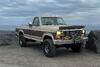
Mandatory Ford Content: I filled both tanks and locked both hubs to be ready for my commute during tomorrow's big storm.
Mandatory Ford Content: I filled both tanks and locked both hubs to be ready for my commute during tomorrow's big storm.

Moderator

Joined: Nov 2007
Posts: 22,415
Likes: 92
From: Denver Metro Area, CO


Mountain Pass


Joined: Apr 2016
Posts: 241
Likes: 2
From: Duluth, Minnesota
Originally Posted by ctubutis
Enjoy that thing, it's leaving here after two days and Monday's high is expected to be near 60F which means all the snow will melt.
Edit: well for me the high is 24 degrees... with snow.
Lead Driver
Joined: Nov 2013
Posts: 7,173
Likes: 1,173
Same thing with most winglets on business jets. The performances improvement is slim in most cases, and under many flight profiles there is a slight negative. However, potential buyers want them because they look cool, so it's mostly a marketing thing.
Moderator
Joined: Nov 2007
Posts: 22,415
Likes: 92
From: Denver Metro Area, CO
Single-digit highs yesterday, subzero the past two nights - but it was sunny and got into the low 20s today, I think we get to Freezing tomorrow (and it'll be WARM!).
Overall snow wasn't much down here in the lower city elevations, maybe 5" at my house in the 'burbs.
Some places in the mountains got 3 feet, though; man, if you're into skiing at all, conditions are excellent ATM....
Overall snow wasn't much down here in the lower city elevations, maybe 5" at my house in the 'burbs.
Some places in the mountains got 3 feet, though; man, if you're into skiing at all, conditions are excellent ATM....
Mountain Pass
Joined: Apr 2016
Posts: 241
Likes: 2
From: Duluth, Minnesota
Originally Posted by ctubutis
Some places in the mountains got 3 feet, though; man, if you're into skiing at all, conditions are excellent ATM....
Moderator
Joined: Nov 2007
Posts: 22,415
Likes: 92
From: Denver Metro Area, CO
Desert southwest - New Mexico, Texas, Arizona, California.
FTE Stories
Ford Trucks for Ford Truck Enthusiasts

Top 10 Most Expensive Ford Trucks Ever Sold on Bring a Trailer
Joe Kucinski
2027 Ford Super Duty Buyer's Guide (Every Model, Engine, & Package)
Brett Foote
Top 10 Ford Truck Tragedies
Joe Kucinski
AEV FXL Super Duty - the Super Duty Raptor Ford Doesn't Make
Brett Foote
Lobo Vs Lobo: Proof the F-150 Lobo Should Be Even Lower!
Michael S. Palmer
Ford's 2001 Explorer Sportsman Concept Looks For a New Home
Verdad Gallardo
10 Best Ford Truck Engines We Miss the Most!
Joe Kucinski
2026 Shelby F-150 Off-Road: Better Than a Raptor R?
Brett Foote
2027 Super Duty Carhartt Package First Look: 12 Things You NEED to Know!
Michael S. Palmer
Post Fiend
Joined: Feb 2008
Posts: 5,831
Likes: 121
From: St Albert, Alberta
Given your responses matt, I can only be left to assume that all of the manufacturer's have been severely mistaken in their placement of air intakes in core supports and fender wells of millions of production vehicles over the last how many years, given that they are subject to head on ingestion of numerous elements. Yes?
I'm not trying to be a wise guy...just trying to sort out your logic.
I'm not trying to be a wise guy...just trying to sort out your logic.
See we have to look at this from Ford's point of view , product utilization and customer satisfaction. We are the minority. Most all us here would accept a little under hood induction noise for more power and potentially better fuel economy. The general public not so much. Every manufacture has spent untold billions and billions over the decades on reducing NVH (Noise Vibration Harshness) Some of this has resulted in some absolutely astounding weird and wonderful solutions.
Exhaust dongles. Ever wonder what those goofy cylindrical lumps of Iron on your exhaust pipes are for? They are there to cancel out exhaust thrumming at certain engine RPM's.
The Cat tail.
Some of Ford autos have a laminated steel tail bolted to the tail housing (ever wonder what those three holes are on the under side of the tail housing is for, this is it)
This little guy was used to dampen gear whine within the case.
The variation of this is the trans dongle used by many manufactures is a lump of iron suspended from the cross member under the trans on it's mounting bolt
The air cleaner baffle.
Some Ford air cleaners have a baffle right like 1/2" or less from the inlet inside the air cleaner, This was to reduce the inlet noise traveling out of the air cleaner and the induction system. Not exactly a performance enhancing part.
Fender Air inlet. This was actually pretty clever air pulled from the fender was not turbulent or restricted in flow was well away from any engine or cooling system heat and offered a water free point of ingestion also since it was not physically out side the vehicle it was quieter.
The EFI 460 Air horns
The 460 EFI has what looks like at first glance a decent good flowing inlet system that is until you opened the system up. And found these goofy trumpet looking things. These were not installed to improve performance but reduce inlet nose. Ford used these stupid horns on many early EFI applications and that made significant negative impacts on performance and economy. Remove them and you see a significant jump in power especially higher up in the RPM range.
Now the worst case Ford ever had of killing performance and fuel economy for the sake of NVH was in the 7.3L IDI's These engines inlet system is not just restricted but choked right off. The Air cleaner lid with the soup bowl obstructed most of the intake inlet. That was used to reduce intake noise, then there was air cleaner inlet baffle more gear to reduce inlet noise then the actual inlet for the induction was jammed right up against the back of the front of the hood. All this lead to a massive reduction in available power and economy. But also made the engine livable. Remove these things and it sounds like a top fuel dragster, a few hours in the cab of truck that has had things removed and you will be looking for the nearest bridge to drive off.
This is great example of a trade off between performance and livable NVH.
Now for Ford core support induction if you look almost none of then are directly front and center in the air stream something is in front of them.
But you say that is not the case in the bullnoses where the inlet is right out front in the core support. Yes but this is not a high pressure area it is actually a quite a low pressure area air going over the hood around the fenders and through the rad actually creates a low pressure spot here helping keep debris out of this area. When Ford changed to the Brick nose's in 87's this inlet then ended up being shielded some what.
There have been some spectacular fails also, like the fore mentioned YJ the inlet was in the core support and was not directly open to the air stream but it was open from below to the ground and at the right speed back splash from the the leading edge of the front tires would fill this area with water and it resulted in a hydrolocked and destroyed engines. Later YJ's had and apron installed to prevent this.
Were mass production automotive induction systems optimized for performance and economy?
NO they are not, not by a long shot in nearly every segment.
Are they optimized to reduce NVH and operational consistency and reduce cost.
YES they are, sometimes at significant cost to performance and economy.
In the battle between performance/economy and NVH, NVH always wins. Except for a select few segments.
Now things have changed a lot over the years with the advent of EFI and better computer modeling in today's vehicles you are hard pressed to get a better induction system than the factory in most cases. And what gains can be found in aftermarket systems are minimal in most cases except when building more power than stock.
The Bullnoses have with core support induction have decent induction systems and probably the best that were fitted to Ford trucks pre EFI. The restriction in this system is the air cleaner housing it's self. But make it taller and use a taller filter and you are good to go and it will perform as good as an open air unit in all but the upper reaches of the RPM range.
Mountain Pass
Joined: Apr 2016
Posts: 241
Likes: 2
From: Duluth, Minnesota
Originally Posted by matthewq4b
The Bullnoses have with core support induction have decent induction systems and probably the best that were fitted to Ford trucks pre EFI. The restriction in this system is the air cleaner housing it's self. But make it taller and use a taller filter and you are good to go and it will perform as good as an open air unit in all but the upper reaches of the RPM range.


Post Fiend
Joined: Feb 2008
Posts: 5,831
Likes: 121
From: St Albert, Alberta
Also with the nearly vertical windshields on the trucks the pressure at the base of windshield is quite high.
This was a problem in the older trucks that had cowl vents. In the winter you froze not from a lack of heater but air forcing it's way past the cowl vent seal. It was not uncommon to externally seal the vents in the winter with tape or what not.
Mountain Pass
Joined: Apr 2016
Posts: 241
Likes: 2
From: Duluth, Minnesota
Originally Posted by matthewq4b
What applies to race applications still applies to the trucks. Want a dead nuts reliable no risk way of getting ram air on your truck with basically no risk of water ingestion while off roading. Cowl induction is the way to go.
Post Fiend
Joined: Feb 2008
Posts: 5,831
Likes: 121
From: St Albert, Alberta
Nor for response on the other thread that should be moved here. And my bad for explaining this in more detail a the time. This also explains how a open air filter can offer more power over the stock system.
I will also go in to detail on how to check your induction system pressures for less than $10
I should have been clear in the post and thought about it but did not at the time my bad for that. .
Swapping to a open filter element will allow the carb to digest more air at any given throttle "position" making the the seconday's open sooner. There is a butt in this. Induction system pressure.
Now we were talking about just restrictive inlet systems one's that are not free flowing but could provide adequate air with out actually choking the motor.
Ford systems and most Chryco V8 system fall in to this catagory more or less.
Now this goes out the window with an induction system that is actually choking the motor, such as GM's pinched snorkel where you could actually pull a vacuum in the air cleaner. This will have an impact on the vacuum in the venturi as the venturi is already in a vacuum before the ventri vaccum is calculated. . In this instance then yes going to an open air filter will make the secondary's open later as you have reduced the over all venturi vacuum at any given venturi velocity thus delaying the opening of the secondary's.
But on the flip side you are now making more power at any given throttle setting and moving more actual air at any given throttle setting. Reducing the need for the secondary's to open at lower power requirements.
Sometimes Holley has to dumb things down like choosing a PV it will get you in the ball park but is not really correct. This is another one of those things.
Having to change the secondary springs to lighter springs will apply in cases
where you are pulling a vacuum in the air cleaner. In cases where you are providing more air with out actually changing the atmospheric pressure in the air cleaner such will not be the case. I should have been more clear on this and my bad.
Now to check your induction system pressure. You need to build yourself a Manometer. You will need about 10ft of clear plastic tubing 1/4" ID food dye a cheap yard stick a zip tie and some clear packing tape.
Tape the tube to the sides of the yard stick with most of the lenght on one end and Looping around the bottom of the yard stick and back to the top.
Using the food dye, dye about a cup of water Blue or red works best I find.
Fill the tube up with the dyed water so it is level on both sides of the yard stick at the 18" mark.
The yard stick can be placed on the passenger side of the vehicle and zip tied to the window regulator to hold in place, don't tie so tight that you collapse the tubing.
The long free end of the tubing needs to be plugged in to the air cleaner You can also do it out side the air cleaner to remove filter restriction from the equation Or inside the the filter. A great way to check different air filters for restrictiveness btw.
You will now be able to tell how much pressure you are building or vacuum you are pulling in the air cleaner..
Vacuum will pull the water up the stick on the side going to the engine pressure will push it down.
13 .6" of water (inH20) is equal to 1" of Mercury (inHG)
1 InHG = 0.491 PSI
1 inH20 =0.036 PSI
You can now see if you are pulling excessive vacuum in your induction system (you will always pull a bit due the restriction of the air filter on the filter side) or building ram air pressure. You can go for drive and see how it performs at different engine RPM's and vehicle speeds. No more guessing if you are making things better or worse.
This will of course not tell you if how smooth or turbulent the airflow is but it will tell you how restrictive the system is.
This handy little device can be used for all kinds of things. Including balancing multiple carbs, checking gas pressure in your furnace, or setting propane regulators etc etc.
Here is a You tube video of a guy setting cabs just with such a cobbled together unit.
I will also go in to detail on how to check your induction system pressures for less than $10
Originally Posted by Franklin2 View Post
It's right here in the Holley instructions;
http://www.jegs.com/InstallationInst.../510-20-13.pdf
Third paragraph from the bottom;
In general, heavy cars require stiffer secondary diaphragm springs than light cars. Air cleaner
configuration and restriction plays an important part in spring selection, so be sure to use your
air cleaner when evaluating your vehicle’s performance after each change. An installation with
an open element air cleaner will require a weaker spring than one with a restrictive snorkel-type air
cleaner.
It's right here in the Holley instructions;
http://www.jegs.com/InstallationInst.../510-20-13.pdf
Third paragraph from the bottom;
In general, heavy cars require stiffer secondary diaphragm springs than light cars. Air cleaner
configuration and restriction plays an important part in spring selection, so be sure to use your
air cleaner when evaluating your vehicle’s performance after each change. An installation with
an open element air cleaner will require a weaker spring than one with a restrictive snorkel-type air
cleaner.
I should have been clear in the post and thought about it but did not at the time my bad for that. .
Swapping to a open filter element will allow the carb to digest more air at any given throttle "position" making the the seconday's open sooner. There is a butt in this. Induction system pressure.
Now we were talking about just restrictive inlet systems one's that are not free flowing but could provide adequate air with out actually choking the motor.
Ford systems and most Chryco V8 system fall in to this catagory more or less.
Now this goes out the window with an induction system that is actually choking the motor, such as GM's pinched snorkel where you could actually pull a vacuum in the air cleaner. This will have an impact on the vacuum in the venturi as the venturi is already in a vacuum before the ventri vaccum is calculated. . In this instance then yes going to an open air filter will make the secondary's open later as you have reduced the over all venturi vacuum at any given venturi velocity thus delaying the opening of the secondary's.
But on the flip side you are now making more power at any given throttle setting and moving more actual air at any given throttle setting. Reducing the need for the secondary's to open at lower power requirements.
Sometimes Holley has to dumb things down like choosing a PV it will get you in the ball park but is not really correct. This is another one of those things.
Having to change the secondary springs to lighter springs will apply in cases
where you are pulling a vacuum in the air cleaner. In cases where you are providing more air with out actually changing the atmospheric pressure in the air cleaner such will not be the case. I should have been more clear on this and my bad.
Now to check your induction system pressure. You need to build yourself a Manometer. You will need about 10ft of clear plastic tubing 1/4" ID food dye a cheap yard stick a zip tie and some clear packing tape.
Tape the tube to the sides of the yard stick with most of the lenght on one end and Looping around the bottom of the yard stick and back to the top.
Using the food dye, dye about a cup of water Blue or red works best I find.
Fill the tube up with the dyed water so it is level on both sides of the yard stick at the 18" mark.
The yard stick can be placed on the passenger side of the vehicle and zip tied to the window regulator to hold in place, don't tie so tight that you collapse the tubing.
The long free end of the tubing needs to be plugged in to the air cleaner You can also do it out side the air cleaner to remove filter restriction from the equation Or inside the the filter. A great way to check different air filters for restrictiveness btw.
You will now be able to tell how much pressure you are building or vacuum you are pulling in the air cleaner..
Vacuum will pull the water up the stick on the side going to the engine pressure will push it down.
13 .6" of water (inH20) is equal to 1" of Mercury (inHG)
1 InHG = 0.491 PSI
1 inH20 =0.036 PSI
You can now see if you are pulling excessive vacuum in your induction system (you will always pull a bit due the restriction of the air filter on the filter side) or building ram air pressure. You can go for drive and see how it performs at different engine RPM's and vehicle speeds. No more guessing if you are making things better or worse.
This will of course not tell you if how smooth or turbulent the airflow is but it will tell you how restrictive the system is.
This handy little device can be used for all kinds of things. Including balancing multiple carbs, checking gas pressure in your furnace, or setting propane regulators etc etc.
Here is a You tube video of a guy setting cabs just with such a cobbled together unit.

Thread Starter
|
FTE Legend
Joined: Jul 2010
Posts: 32,875
Likes: 48
From: Northeast, OK
I built that device, a manometer, back in the day, but used glass tubing and mercury. There were 4 tubes 'cause there were 4 carbs on the Hondas we were tuning. It worked well.
Anyway, back to air cleaners. A lot of what Matthew is saying makes sense to me. The '69 Super Bee I bought new had an unsilenced air cleaner instead of one with a snorkel. It said right on the window sticker that it was unsilenced so you had no way to complain if you didn't like the sound of the 4bbl - and it was quite noticeable. But the run-of-the-mill vehicles with much the same engine got silenced air cleaners with snorkels.
The '69 Bee I have now has the scoops on the hood, and there's a **** under the dash to pull when you want to open them. The owner's manual says you aren't supposed to do that if there's any rain or snow.
And, I think Matthew answered some questions of mine with:
Anyway, back to air cleaners. A lot of what Matthew is saying makes sense to me. The '69 Super Bee I bought new had an unsilenced air cleaner instead of one with a snorkel. It said right on the window sticker that it was unsilenced so you had no way to complain if you didn't like the sound of the 4bbl - and it was quite noticeable. But the run-of-the-mill vehicles with much the same engine got silenced air cleaners with snorkels.
The '69 Bee I have now has the scoops on the hood, and there's a **** under the dash to pull when you want to open them. The owner's manual says you aren't supposed to do that if there's any rain or snow.
And, I think Matthew answered some questions of mine with:
The Bullnoses have with core support induction have decent induction systems and probably the best that were fitted to Ford trucks pre EFI. The restriction in this system is the air cleaner housing it's self. But make it taller and use a taller filter and you are good to go and it will perform as good as an open air unit in all but the upper reaches of the RPM range.
So, if I do meld two HO units to make the base tall enough to take the taller element then I'm good except for "the upper reaches of the RPM range". But, since I cammed the engine for torque the HP peak is 5400 RPM, and that may not be "upper reaches"?