When you click on links to various merchants on this site and make a purchase, this can result in this site earning a commission. Affiliate programs and affiliations include, but are not limited to, the eBay Partner Network.
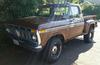
So I'm getting ready to paint my truck, and I need to get it ready for it. What grits of sandpaper should I use? Should I put primer on, or just spray over the original paint? I have a buddy that will let me use his painting set up. I'm planning on using single stage paint, and going with a metallic grey. Kind of like gunmetal grey. My truck is a single cab shortbed stepside, how much paint will I need to buy? Thanks in advance for the info.
Also, should I use a power sander, or just do it by hand? And I'm going to do a little bit of bindi work, should I prime over that when I'm done, or just leave it?
Volumes have been written on automotive painting...waay too much information to relate in a forums platform. But here's a couple of things to get you started.
You'll need a LOT of air (cfm) to run your sander(s) and HVLP gun. You can get away with a 30 gal 5-6 hp model if you're patient, but I would suggest a siphon feed gun with that setup. HVLP needs a two-stage compressor to work properly.
I only use single-stage paint if it's a solid color, ie: no flakes, pearls, or glitter. Metallic won't lay down flat, you'll need a clear coat over it or else it will finish out mottled and blotchy.
Check out Eastwood and Summit Racing for paint. They have some decent quality paint systems for 1st timers (or even old-timers). They can set you up with a "system" so that all of your components are compatible.
DA sander is an absolute. Start with 200gr. You'll eventually want to shoot your color over a 400gr (for solids) to a 600gr (metallics, pearls) tooth.
If you're doing a little bit of body work at a time say, one panel or dent this week, then coming back to do some more next week, etc, don't use rattle can primer EVER. It absorbs moisture and will cause new rust.Regular ol Rustoleum paint will seal up your work better. Your gonna sand it all off eventually anyway when you go into primer immediately before paint. Use epoxy primer/sealer.
If you need putty use good stuff (I like Rage gold) or long-strand fiberglass filler for larger areas.
Use good quality sandpaper and discs.
Get a long board sander. They're available air or manual (your budget will dictate this...I have manual ones)
Google it til your eyes glaze over, there are actually some good things on the internet.
Vol ll)
If your paint is original and stable, you can use it as a base. If your truck has been painted a couple of times, you're going to want to sand that off. It's not necessary to go to bare metal as some would tell you. Good factory paint is a perfect base. If you're working really hard trying to get old paint off...that means it's sticking pretty well. Leave it.
Once your body work is done to your satisfaction you'll want to lay down a sealer. Use a 2-part epoxy, it's not hard to mix, just follow the instructions.
There will be a lot of blocking (sanding) to get your sheetmetal as straight as possible...you've picked a tough color, it won't hide anything. As a rule, lighter solid colors will hide imperfect bodywork better than darker solids or metallics.
Again, I would suggest you rethink you're decision regarding single stage metallic. If you can shoot a basecoat you can shoot clear. You won't be able to sand on that ss gray metallic, so if you have issues it means starting over...not a pleasant scenario.
Also, with metallics fan and spray patterns have to be kept consistant throughout. I would recommend painting the truck put together as opposed to panel-by-panel. Do your door jambs, exposed interior, inside the bed, and under the hood first. Then hit the roof, hood, front, and work your way around.
Keep a "wet edge" and overlap your strokes.
Keep the gun perpendicular to the truck.
Keep the air flowing through the gun at all times so you don't build a drip at the air cap (nozzle) and blow drips into your fresh paint on the next stroke.
If you get a run or a sag don't panic. There are ways to remove drips satisfactorily after the paint has dried. There's a cheap razor tool that you can use to shave them down, and there's always more sanding.
Make sure the floor of your booth is clean and DRY. Some people like to paint over a wet floor for dust control. But think about it...that floor will eventually be dry through, what? Evaporation....into your paint cloud and condensing in your paint and on your truck as it's supposed to be drying. Clean dry floor.
Dry air is crucial. If your buddy is set up for paint then he should have a system of air dryers in place. If not, invest in a couple of filter/dryers. Dry air is good whenever working with air tools, but it's critical when painting.
Protect yourself. Hopefully you'll be using urethane....great paint but toxic as hell. A good respirator and gloves. You can paint in street clothes if you want (the Tyvek suits are mostly for cleanliness), but the isocyanates in urethanes will attack your brain through your lungs and skin. Wear gloves when cleaning equipment and avoid breathing the fumes
As a general rule, one gallon of paint+reducer+catalyst (hardener) will cover a regular sized car. If you're gonna paint your bed inside and out spring for another qt or two of paint. If you buy from one of the DIY places I mentioned (Eastwood, SW, Summit), they can hook you up with smaller amounts in the proper quantities so you don't waste materials and money.
As I said...literally thousands of books and articles have been written on this subject and there's just waay too much info and opinion to be able to get it all together in this format. Painting your own vehicle (correctly) can be a challenge. But considering the impact it has to onlookers and bystanders, it's every bit as satisfying as screwing together a killer engine or any other DIY project.
Okay I think you've talked me into base coat/ clear coat. I actually don't have a booth to paint in. What can I use instead? I don't have a da sander, will I be okay just block sanding it? Also, a rear fender is dented beyond repair, so I'm going to just replace it. I've heard that you need to match the color of the new panel closely to the surrounding areas before painting. Is this correct?
Color matching panels before paint is more critical with the older acrylic enamels...they don't cover nearly as well as modern urethanes do. Even so, I would suggest a coat of sealer before color. That will get everything all one color and prevent any future bleed-through. Epoxy primers and sealers are even tint-able now so a guy painting his truck say, red, can tint the sealer red to help make his paint POP even more. In your case I think basic black or grey (std colors) would be fine.
Painting outside of a booth can be done, but if you're outside you'll have to take some things into consideration...and there will be some extra work towards the end.
Generally, single-stage paints dry slower than two-stage. That's what makes them glossy in the end, they have more time to "flow-out" or level themselves. A two-stage with a fast reducer is going to dry quickly, but I think (depending on ambient temperature) I would still use a medium reducer and take the hit in the end. The "hit" being more time for dust, pollen, and bugs to settle into your wet paint.
Most BC/CC paints give you a window to respray. If you miss it you'll have to wait for it to completely dry, and then hit it with the clear. For an outside paint job that is what I would suggest: Let it dry, sand out the bugs, then clear. In a booth the entire job would be done while the last sprayed coat still "strings". Meaning if you touch a wet piece (tape, or masking, NOT one of your freshly painted panels!) it's wet enough to make a "string" between your finger and the paint....like a long booger. You can still do that outside or in a barn, but you'll be burying forever whatever settled in your wet paint under clear.
You can hand sand if you want to, but a cheap Harbor Freight DA sander won't set you back much. And once you get a feel for exactly how much sanding is going to be involved I think you'll be saying "Yuma was right...this SUCKS!
By way of tips, disassemble everything you possibly can. Even loosen up fenders so that you can A) get paint into areas that nobody will ever see. And B) you won't have paint "bridging" the gaps. I'm thinking specifically about your rear fenders. If you can leave a gap between them and the box it would make for a more professional looking job.
I'll be painting my 76 Flareside at some point, so I'd really like to see how yours comes along. I'm not a pro by any means, but I've shot a little paint and, even tho it can be a pain (there really are no shortcuts, only cut corners), it's pretty satisfying and the most visually dramatic change you can make to a car or truck.
Another tip from Jonny:
If you decide to paint in a garage, please PLEASE make sure that you have sealed-off any gas appliances such as a furnace or water heater. The fumes and resulting "paint cloud" are HIGHLY FLAMMABLE. When you start shooting paint you'll see how dense this cloud is without proper ventilation...by the time you're done you won't be able to see. Now, imagine that igniting...sooo bad. Seal off anything with a pilot light floor-to-ceiling. Then go back and do it again. I can't stress that enough. Even low-VOC paints use highly flammable compounds. It's also a good idea to seal off any doors or openings into the house...explosive AND toxic.
My SOP when garage painting was to seal off the WH and furnace, shoot the paint, then open the garage door about 3' and roll out Indiana Jones-style and let the cloud settle/dissapate...have a beer, and that was about the right time to go back in an recoat.
Thanks for the info. I would love to use a da sander, but I don't even have an air compressor at the moment. I'll be sure to take pictures the whole way through. So I should start with 200 grit? Can you give me an list of what order to do everything? Like start with 200, then spray sealer, then sand to 600... That would really help. Also, if you could give me a list of all the materials I need that would be appreciated. How many gallons of each component should I buy?
It's almost impossible to provide even the most basic of outlines without knowing you, your truck, your circumstances, etc. If it's your daily driver then that's gonna be way different than if it's a side project. Total resto? Basic clean-up? Buff-n-Fluff? Circumstances dictate the POA.
Mine is (supposed to be) a daily driver...here's how I will attack mine, assuming all mechanical faults are dealt with:
Decide what direction I want to take it.
Gather the parts I need.
Eliminate and/or neutralize rust issues.
Straighten or fix one panel at a time. On my particular truck I'll be starting at the bed/fenders (it's a Flareside).
Interior. Why? It's gotta come apart anyway, so while I have it apart I'll shoot it with my final color choice.
Underhood cleanup. If the motor's not coming out then I'll decide how far I want to go here. I'll order an extra qt of paint for this since I know at some point it'll be coming out and that's when I'll shoot the firewall and inner fenders. For now I can hit the underside of the hood and whatever is available, ie: hinges, brackets, cowl, whatever.
Now I start fixing dings, dents, and imperfections. I find these by sight and by running my hand over the panel. On this truck I won't need a slide hammer, but a body hammer and dolly(s) will enter into the picture. Those repairs will be made perfect with a little Rage filler, sanded to 400grit, and covered with Rustoleum. I'll do that til I'm satisfied.
Over the course of a couple of weekends I'll remove unnecessary trim bits and parts that aren't really useful to the DD status of the truck, ie: steps, mirrors, grill and surround, stuff like that...getting ready for paint day.
PAINT DAY!
DA sand everything with 200 (factory paint), then to 400gr. Loosen fenders and let em hang. Also remove tail lights, head lights, everything else that comes off. Tape and mask. Wipe it down with wax and grease remover, mix my sealer, another quick wipe-down with a tack-rag (not too long, that sealer is hot) and start shooting.
After the sealer is dry a quick sanding with 400-600 grit is appropriate to knock down high spots or nubs. Then I look it over again and if I'm satisfied I'm going right into color.
That's not what the "showcar" people do. There's a few more steps, more blocking between coats, and more attention to detail than I could possibly go into here. But that's how I'll do mine. Hope that helps.
It depends on how quality you want the truck to look when you are done. Bottom line though is your paint job is all about the prep work!!!
1) If the current paint job is in good shape without any rust bubbles and stuff showing through I would do the following. BLOCK sand the current paint job with 150 grit. I would NEVER EVER EVER use a DA sander unless you have to do lots and lots of block sanding afterwards. It is very easy to angle the DA which will make your panels very wavy and erratic.
If there is lots of rust issues showing through the paint it would be advised to strip everything to bare metal and fix the rust, or it will show back up VERY quickly.
2) After step 1, apply a sealer primer and immediately several coats of high build primer.
3) Use filler on dents now after scuffing the primer in those areas first.
4) Block sand everything down using guide coat to figure out the low spots. Without guide coat you will think your panels are flat as can be and once you paint it the dips will stick out like a sore thumb. Can usually start with 150 and finish with a 220 grit until all body panels are nice and straight.
5) Apply a coat of over reduced sealer primer as your first coat of your main paint job. Let this set up the recommended amount of time until top coating. Usually less than an hour with modern paint systems.
6) Apply your topcoat to the fresh sealer primer. Metallic and pearl paints need to be applied in thin coats. Any runs can't be sanded down and buffed to match the rest of the paint job. The flakes will be mis-aligned and stick out like a sore thumb. If using something like PPG shopline, a gallon would probably be enough. Maybe buy an additional quart just to be safe. They say to apply 2 coats, but that is not enough for metallic and pearl paints as they are somewhat translucent. I would put 4 coats on.
What do you guys think of a roll on rustoleum paint job? My buddy was telling me not to spray on because I'll be doing it outdoors. He says the dust and everything will make it look terrible. Is he correct? What should I do?
What do you guys think of a roll on rustoleum paint job? My buddy was telling me not to spray on because I'll be doing it outdoors. He says the dust and everything will make it look terrible. Is he correct? What should I do?
As an experiment, I shot a lawn tractor with Rustoleum through a $10 Harbor Freight paint gun.. pics of it are in my '70's build thread. I cut it about 25 percent with mineral spirits.
Came out really nice but the drying time is really, really long and while it is open very susceptible to gnats and airborne debris. Getting it smooth with little to no orange peel required wet sanding with 1200 and 1500.
YouTube it for info... more than we can convey through our fingers. In fact, there are TONS of info resources on the web regarding general auto paint and paint prep.
Lots of great advice here. I wouldn't argue with any of it.
However, you might also want to look into lacquer. It's a lot of work but also very forgiving.
If using catalytic paint, get a good respirator. That stuff (cyanide) can kill you. Don't go overboard with the hardener. I did once and it was real shiny until it cracked everywhere.
I've seen the "Paint Your Car With a Roller" stories too but I don't think that's necessarily a good way to go. I've painted cars with Rustoleum before (bought in qts and/or gallons, not rattle cans) with pretty decent results. Your color choice is limited to whatever is on hand at Home Depot or whatever. Acetone or mineral spirits as reducer will work fine. It won't be as durable as a urethane paint job, but it will get your truck all one color and last for a few yrs. If you ever plan to put a "real" paint job on it, it'll all have to come off.
This car was done by me in my garage using my ancient Binks Model 7 siphon feed, a 30 gal Craftsman compressor, and Rustoleum satin black. The pic is about 3 yrs after the I shot the paint, so there's some discoloration showing already... Not the best example, but I'm a little light in the pictures department...it's all I have.
This Hennessey Takes the Expedition Tremor's Off-Roading Capability to the Next Level
Slideshow: The VelociRaptor Expedition gains a lift, upgraded suspension, Brembo brakes, and trail-ready equipment while retaining the stock 440-horsepower EcoBoost V6.
Rezvani's Latest Post-Apocalyptic Monster Is a Ford F-150 Raptor Underneath
Slideshow: Called the Fortress, the 850-horsepower pickup combines Raptor underpinnings with military-inspired features, survival equipment, and a starting price of $285,000.