


Cleaning out the cowl

Cargo Master
Joined: Oct 2005
Posts: 2,084
Likes: 94
From: Stanton, Michigan, USA
I'm pretty certain the '63 cowl area is similar to my '65 cowl area. I once owned a '63, but that was many moons ago.........
The '65 cowl area provides air to the kinda-triangular-shaped vent doors, inside below the dash, in the sides of the cab wall, forward of the doors. If you open those vents all the way, you can reach in and pick out most anything that has made it's way through the cowl vent slots and settled in the cavity below the vent doors. It helps if you have a small-ish shop vac hose to get it in there too.
I usually use my hand to pick out the majority of the debris, then a small vac hose to get the small stuff out. Then I dump about a 1/2 gallon of water into the cowl at each end. The water will flush out any remaining dirt through the drain holes at the bottom of the cab walls. If the drain holes are plugged, you may need to poke a piece of wire up through them from under the cab. I check my drain holes frequently to ensure they don't get plugged up. If they do get plugged off, any rain water/wash water will not drain out and rust will develop inside.
BarnieTrk
The '65 cowl area provides air to the kinda-triangular-shaped vent doors, inside below the dash, in the sides of the cab wall, forward of the doors. If you open those vents all the way, you can reach in and pick out most anything that has made it's way through the cowl vent slots and settled in the cavity below the vent doors. It helps if you have a small-ish shop vac hose to get it in there too.
I usually use my hand to pick out the majority of the debris, then a small vac hose to get the small stuff out. Then I dump about a 1/2 gallon of water into the cowl at each end. The water will flush out any remaining dirt through the drain holes at the bottom of the cab walls. If the drain holes are plugged, you may need to poke a piece of wire up through them from under the cab. I check my drain holes frequently to ensure they don't get plugged up. If they do get plugged off, any rain water/wash water will not drain out and rust will develop inside.
BarnieTrk
Logistics Pro


Joined: Mar 2012
Posts: 4,390
Likes: 44
From: placer county usa?
this is the upper to the rt of hing two screws hold it on the vent access is a good size opening when take the door off
there is another on the other side and in the middle of fire wall usually two screws hole each on
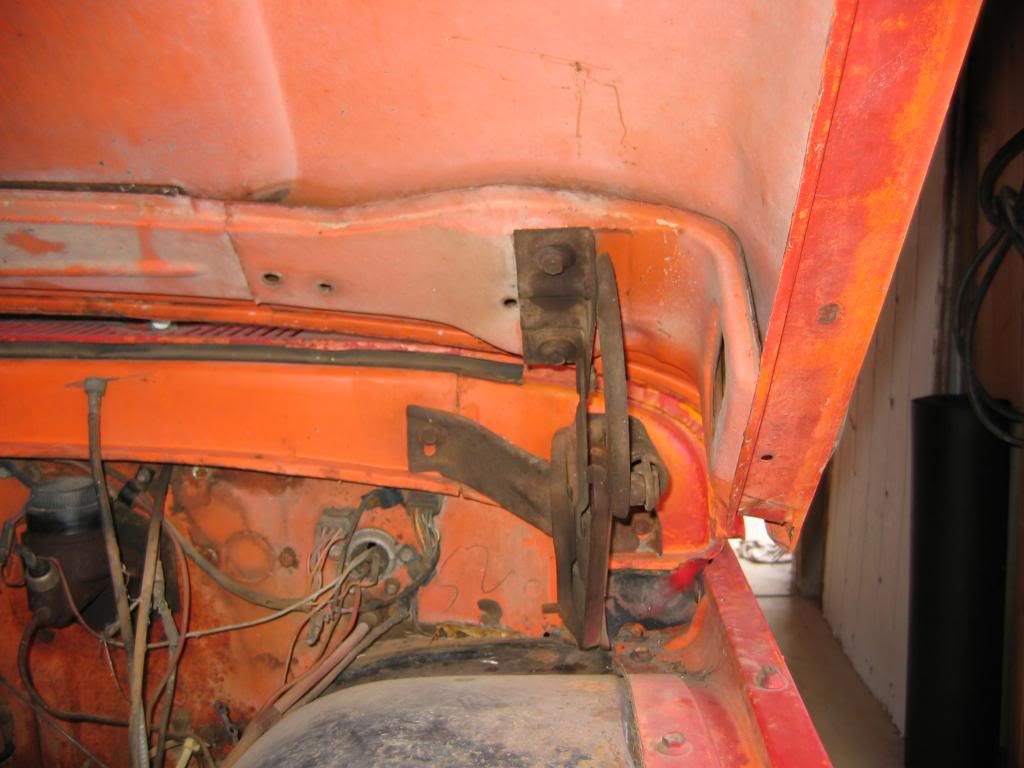
there is another on the other side and in the middle of fire wall usually two screws hole each on

Logistics Pro
Joined: Mar 2012
Posts: 4,390
Likes: 44
From: placer county usa?
rubber plug at bellow the hing use a wire to work dirt/vac
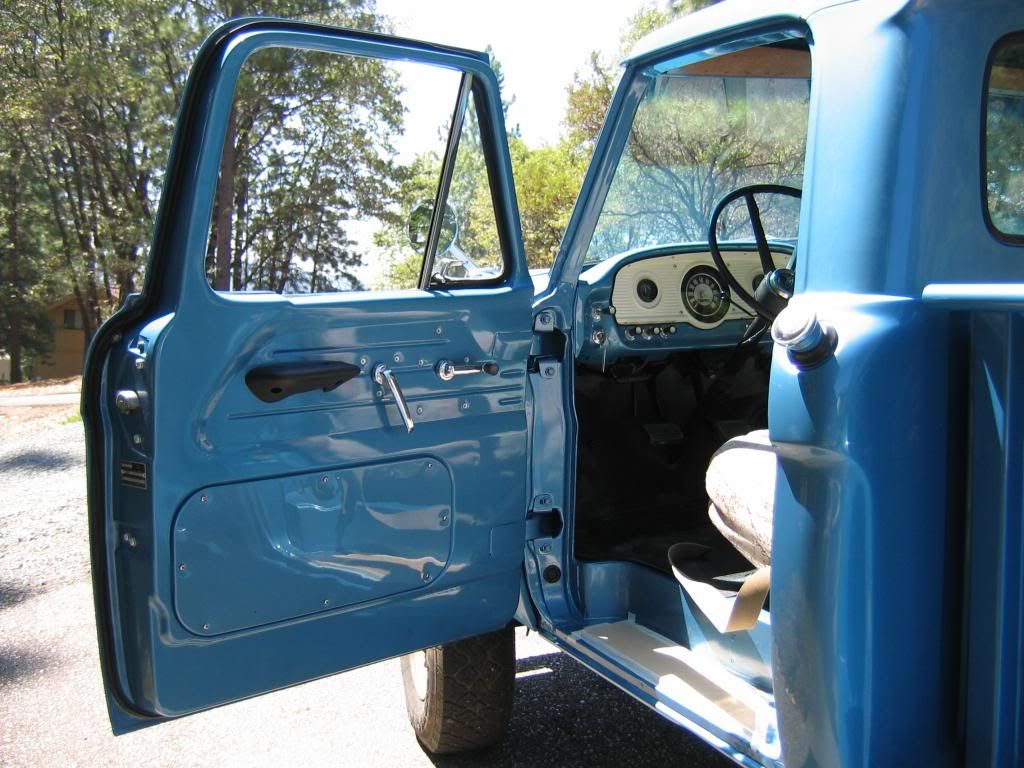 there are other openings but some are behind the fenders
 there are other openings but some are behind the fenders
Trending Topics
Logistics Pro
Joined: Mar 2012
Posts: 4,390
Likes: 44
From: placer county usa?
FTE Stories
Ford Trucks for Ford Truck Enthusiasts

Top 10 Most Expensive Ford Trucks Ever Sold on Bring a Trailer
Joe Kucinski
2027 Ford Super Duty Buyer's Guide (Every Model, Engine, & Package)
Brett Foote
Top 10 Ford Truck Tragedies
Joe Kucinski
AEV FXL Super Duty - the Super Duty Raptor Ford Doesn't Make
Brett Foote
Lobo Vs Lobo: Proof the F-150 Lobo Should Be Even Lower!
Michael S. Palmer
Ford's 2001 Explorer Sportsman Concept Looks For a New Home
Verdad Gallardo
10 Best Ford Truck Engines We Miss the Most!
Joe Kucinski
2026 Shelby F-150 Off-Road: Better Than a Raptor R?
Brett Foote
2027 Super Duty Carhartt Package First Look: 12 Things You NEED to Know!
Michael S. Palmer


Cargo Master
Joined: Oct 2005
Posts: 2,084
Likes: 94
From: Stanton, Michigan, USA

BarnieTrk


More Turbo
Joined: Apr 2011
Posts: 707
Likes: 2
From: Sauk City, WI
Dont clean them out and this is what happens:


And fixing requires this:


In short, if yours are in good shape, take care of them.
Mine were effed, and I had to rebuild from scratch for the bottom drain area, and a piece from another truck BillW sent me.
And fixing requires this:
In short, if yours are in good shape, take care of them.
Mine were effed, and I had to rebuild from scratch for the bottom drain area, and a piece from another truck BillW sent me.

Lead Driver


Joined: Aug 2003
Posts: 6,305
Likes: 18
From: Boulder Creek, Ca

Found an article on ddavidv's website helpful on how to clean the numerous water drain cavities thru out the cab and fenders. The leaves and dirt that accumulates in the cowl eventually make it down to the fender and cab drain cavities; found the relief holes on the 65 so impacted with dirt and debris; especially the fender, it could take days for the water to eventually drain from the air vent pockets, creating an ideal habitat for rust. Perhaps ddavidv will chime in and provide the link; at least I found the article helpful!!
Cargo Master
Joined: Oct 2005
Posts: 2,084
Likes: 94
From: Stanton, Michigan, USA
Fellas,
Here is another suggestion; I would drill two drain holes in the crossmember/brace that crosses the width of the cab, behind the foot area & just ahead of where the seats bolt down. I'd suggest a 1/2" hole about 4-5" from each end. This crossmember/brace collects mud/dirt/water and does not drain; so it rusts out! I drilled the two holes in each of my '65s. I then used a water hose to flush out all the crud that had collected / built up inside the brace and then I used an air hose to blow out the excess water (Yep, a messy job, but worth it). Lastly, about twice a year I poke a piece of wire up and around inside each hole - just to ensure it isn't plugged off and is draining adequately. An air hose blasted in there is also a good idea.
Now, with the new drain holes installed, the crossmember/brace does not collect mud/crud, it stays dry and should not rust out nearly as fast as if I hadn't added the drain holes. It works for me!
BarnieTrk
Here is another suggestion; I would drill two drain holes in the crossmember/brace that crosses the width of the cab, behind the foot area & just ahead of where the seats bolt down. I'd suggest a 1/2" hole about 4-5" from each end. This crossmember/brace collects mud/dirt/water and does not drain; so it rusts out! I drilled the two holes in each of my '65s. I then used a water hose to flush out all the crud that had collected / built up inside the brace and then I used an air hose to blow out the excess water (Yep, a messy job, but worth it). Lastly, about twice a year I poke a piece of wire up and around inside each hole - just to ensure it isn't plugged off and is draining adequately. An air hose blasted in there is also a good idea.
Now, with the new drain holes installed, the crossmember/brace does not collect mud/crud, it stays dry and should not rust out nearly as fast as if I hadn't added the drain holes. It works for me!
BarnieTrk