




Engine Failure at 44,600 Miles
Super Moderator


Joined: Aug 2003
Posts: 25,479
Likes: 742
From: Isanti, MN


Thread Starter
|
Cross-Country
Joined: Feb 2010
Posts: 68
Likes: 2
From: Diamond Bar, CA
From the way the tip was broke I'm guessing something had to have come up and hit it for it to break the way it did.
I think Chad is right though as to the exhaust valve cracking.
The odds of it happening are 1 in 175,000 from what I've read on other forums or 1/10 of 1 percent. I saw a pictures of the engine that a similar thing happened to and made me sick just looking at them.
It's only happening to F-450s and 550s Cab/Chassis models mainly 2011 trucks built Job 1.
I just don't understand why Ford won't have CAT build them an engine for these trucks and most everyone would be happy including myself.
Vince Wood
Chino Hills, CA
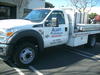
2011 Ford F-450 6.7L 12' Flatbed
I think Chad is right though as to the exhaust valve cracking.
The odds of it happening are 1 in 175,000 from what I've read on other forums or 1/10 of 1 percent. I saw a pictures of the engine that a similar thing happened to and made me sick just looking at them.
It's only happening to F-450s and 550s Cab/Chassis models mainly 2011 trucks built Job 1.
I just don't understand why Ford won't have CAT build them an engine for these trucks and most everyone would be happy including myself.
Vince Wood
Chino Hills, CA
2011 Ford F-450 6.7L 12' Flatbed
Super Moderator
Joined: Aug 2003
Posts: 25,479
Likes: 742
From: Isanti, MN
From the way the tip was broke I'm guessing something had to have come up and hit it for it to break the way it did.
I think Chad is right though as to the exhaust valve cracking.
The odds of it happening are 1 in 175,000 from what I've read on other forums or 1/10 of 1 percent. I saw a pictures of the engine that a similar thing happened to and made me sick just looking at them.
It's only happening to F-450s and 550s Cab/Chassis models mainly 2011 trucks built Job 1.
I think Chad is right though as to the exhaust valve cracking.
The odds of it happening are 1 in 175,000 from what I've read on other forums or 1/10 of 1 percent. I saw a pictures of the engine that a similar thing happened to and made me sick just looking at them.
It's only happening to F-450s and 550s Cab/Chassis models mainly 2011 trucks built Job 1.
I just don't understand why Ford won't have CAT build them an engine for these trucks and most everyone would be happy including myself.
Why would you want one?


Lead Driver


Joined: Feb 2011
Posts: 6,676
Likes: 913
From: Milford, MI
Cats new trucks are in my opinion the best looking trucks out there, but I heard they're using International engines, not their own, but I have not confirmed this.
Super Moderator
Joined: Aug 2003
Posts: 25,479
Likes: 742
From: Isanti, MN
Originally Posted by Caterpillar
Caterpillar will continue to sell and ship Cat Vocational Trucks with CT Series engines that meet EPA regulatory requirements,” the company said. “Navistar is our valued engine supplier and the company continues to supply us with quality and reliable engines for our Cat Trucks
This whole thing was announced at the same time in '08 that they announced that they were leaving the on-highway engine market.
Partnership announcement: Caterpillar Inc., Navistar International Corp. sign Memorandum of Understanding (MOU) | Fleet Owner | June 2008 | Fleet Management content from Fleet Owner
Caterpillar truck engines also to get SCR aftertreatment | Running Green content from Fleet Owner

Lead Driver
Joined: Jan 2006
Posts: 6,267
Likes: 5
Yeah, those trucks are a joint venture with navistar.
FTE Stories
Ford Trucks for Ford Truck Enthusiasts

Top 10 Most Expensive Ford Trucks Ever Sold on Bring a Trailer
Joe Kucinski
2027 Ford Super Duty Buyer's Guide (Every Model, Engine, & Package)
Brett Foote
Top 10 Ford Truck Tragedies
Joe Kucinski
AEV FXL Super Duty - the Super Duty Raptor Ford Doesn't Make
Brett Foote
Lobo Vs Lobo: Proof the F-150 Lobo Should Be Even Lower!
Michael S. Palmer
Ford's 2001 Explorer Sportsman Concept Looks For a New Home
Verdad Gallardo
10 Best Ford Truck Engines We Miss the Most!
Joe Kucinski
2026 Shelby F-150 Off-Road: Better Than a Raptor R?
Brett Foote
2027 Super Duty Carhartt Package First Look: 12 Things You NEED to Know!
Michael S. Palmer
Lead Driver
Joined: Jan 2006
Posts: 6,267
Likes: 5
While water can kill any diesel, the common rail systems are a lot more effected than older trucks.
Lead Driver
Joined: Jan 2006
Posts: 6,267
Likes: 5
They allow several injections per injection event, and even on the exhuast stroke, to complete a regen of the DPF.
The new system burns cleaner, which was required by the EPA, and also allows cleaner combustion.
The downside; the new systems use fuel pumps, that can pump to almost 30,000 PSI, and if they get water in them, they don't like it. The metal can shave off filings, and those can get pumped into the injectors.
If the injector on a common rail engine gets fouled, it can potentially just sit there and spray fuel, until a piston burns out, or the oil fills with fuel, etc... and engine is toast.

Thread Starter
|
Cross-Country
Joined: Feb 2010
Posts: 68
Likes: 2
From: Diamond Bar, CA
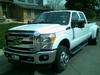
Just a quick update, the dealer is saying Monday or Tuesday until I get it back. I told them to take their time and make sure it's done right. It just burns me up to have a $45,000 work truck sitting at the dealer for over a week. In another 55,000 miles it's getting traded in.
Post Fiend
Joined: Jan 2009
Posts: 6,521
Likes: 11
From: Greenwood, SC
My ESP goes to 200,000. It covered an engine replacement (long block) and recently a new turbo.
I use the truck commercially but if you read the fine print in the ESP contract it is not a subject you want to bring up. It appears to be up for interpretation whether or not commercial use is an issue.
Definitely check it out though. My ESP has paid out close to $30,000........
I use the truck commercially but if you read the fine print in the ESP contract it is not a subject you want to bring up. It appears to be up for interpretation whether or not commercial use is an issue.
Definitely check it out though. My ESP has paid out close to $30,000........