



390 Problem

Thread Starter
|
Laughing Gas

Joined: Apr 2009
Posts: 751
Likes: 1
From: orange county, ca.
390 Problem
O.k, what I thought was a valve tick is an exhaust leak. I pulled the valve cover, started it and you can hear a clear exhaust leak from the heat passage intake foot area (it seems to only make noise on one cylinder). I pulled the intake, checked the manifold straightness (around .005), replaced with Victor gaskets and small amount of silicon around ALL ports and "right stuff" for the ends instead of cork. It still leaks  , anything else around that foot that can leak exhaust?. It has good compression on the drivers bank also.
My thoughts now are the intake is cracked into pushrod port (I didn't see any cracks around the foot), intake milled too much, heads milled too much ..... . I would think if either the heads or intake were milled to much then you would have a hard time getting the bolts in. The motor is 3 different motors (block of one year, heads from another and rocker arms/shafts from another), the streetmaster is used and the motor has about 50 miles on it with this problem from the start.
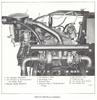
I'm going to take more pics when I take it apart again, but here's pics from the last intake gaskets swap.


, anything else around that foot that can leak exhaust?. It has good compression on the drivers bank also.My thoughts now are the intake is cracked into pushrod port (I didn't see any cracks around the foot), intake milled too much, heads milled too much .....
. I would think if either the heads or intake were milled to much then you would have a hard time getting the bolts in. The motor is 3 different motors (block of one year, heads from another and rocker arms/shafts from another), the streetmaster is used and the motor has about 50 miles on it with this problem from the start.I'm going to take more pics when I take it apart again, but here's pics from the last intake gaskets swap.

Lead Driver
Joined: Jan 2003
Posts: 9,893
Likes: 12
From: Ohio

How did you check intake straightness?? I'd clean the head surfaces, remove end gaskets and lay intake down. Now using a feeler gage, try to slip it in all around the intake, especially around the heat crossover ports. While it is on heads, confirm air gap on ends of block.
I usually block those off, using thin stainless or aluminum flashing. Stick it to head with touch of silicone and then lay gasket over it. No real need for carb heat in California?
I usually block those off, using thin stainless or aluminum flashing. Stick it to head with touch of silicone and then lay gasket over it. No real need for carb heat in California?
Thread Starter
|
Laughing Gas
Joined: Apr 2009
Posts: 751
Likes: 1
From: orange county, ca.
I just checked with a straight edge across the ports on the intake. I did lay it on the heads with the gaskets on to see if the cork would hold it up, there was a gap of about an 1/8" I think (will measure next time). One thing I remember is seeing large swirl marks like a mill (like ones you find on a new intake) on all the ports which I though was odd since this is a 70's intake and over time the swirls are gone. I'm thinking maybe the intake was machined to fit a shallow V at one time, I need to find another to measure off of?.
I'll try to pull the intake tonight just to see the foot print and go from there.
I'll try to pull the intake tonight just to see the foot print and go from there.

Elder User
Joined: Mar 2011
Posts: 935
Likes: 2
From: Vancouver, WA
Only time you'd need to mill down the intake is if you do cut alot of material off the engine's deck or deck of the heads. I've put together a few heinz 57 FEs and this sounds like you have an intake that may have been milled too far to be used with your engine. It's not uncommon to have an intake cleaned up in the mill, but usually .002-.003 usually cleans it up. If yours was milled to fit a severely decked block or cut heads you could have say, .015+ cut off. (normally stamped somewhere on the intake by the machinist that did it) This usually leaves the valley ends really tight to the block but you say you have about 1/8" gap which is about right. The bolts should be a little tricky (but still done by hand) to get in until the intake starts to seat down onto the engine...for obvious reasons. If they are real easy right off the bat (centered in their hole while screwing down before finger tight, I'd worry a bit)
My suggestions:
1. Find a stock 4bbl cast Iron intake (usually cheap -worth more in scrap!) or another aluminum intake and try it.
2. Stack a set of intake gaskets together and use 'great stuff' on each end at the valleys. Do NOT put any sealer around the intake ports. Water jackets would be ok. I've seen guys run cars like this. I'd merely do it as a test to see if it quiets it up. Also be careful of your pushrods when doing this too. Need to have ample clearance in the few that go through a narrow passage in the intake.
Also, I use standard Fel-Pro gaskets. Don't waste your time with those blue-line Fel-Pros, those are junk.
My suggestions:
1. Find a stock 4bbl cast Iron intake (usually cheap -worth more in scrap!) or another aluminum intake and try it.
2. Stack a set of intake gaskets together and use 'great stuff' on each end at the valleys. Do NOT put any sealer around the intake ports. Water jackets would be ok. I've seen guys run cars like this. I'd merely do it as a test to see if it quiets it up. Also be careful of your pushrods when doing this too. Need to have ample clearance in the few that go through a narrow passage in the intake.
Also, I use standard Fel-Pro gaskets. Don't waste your time with those blue-line Fel-Pros, those are junk.
Thread Starter
|
Laughing Gas
Joined: Apr 2009
Posts: 751
Likes: 1
From: orange county, ca.
The engine builder put the intake on first (with the Fel Pros in the pic), I used Victors and I think I'll go with Mr. Gaskets next time as they have the block off for the heat risers. Trying to find some FE stuff around me is a little tough, but I did find someone with a Edelbrock RPM for sale.
Elder User
Joined: Mar 2011
Posts: 935
Likes: 2
From: Vancouver, WA
I had used a set of Mr. Gasket gaskets on a 390 once. The intake gaskets seemed to seal fine, but the end cork pieces were too thin. When I replaced them with Fel-Pros, I noticed that the end corks were much thicker. Just food for thought.
The RPM intake would be ok, maybe a little overkill, but would work fine. Just a regular 'Performer' would be ideal. I have a Performer on mine and it works out really well. Why are you trying to block off the exhaust crossover?
The RPM intake would be ok, maybe a little overkill, but would work fine. Just a regular 'Performer' would be ideal. I have a Performer on mine and it works out really well. Why are you trying to block off the exhaust crossover?
Thread Starter
|
Laughing Gas
Joined: Apr 2009
Posts: 751
Likes: 1
From: orange county, ca.
Not really trying to block off the crossover but the Victor gaskets have a open piece under the water jacket that leads out to the intake ends, so if the little piece of gasket fails it will leak out.....I know I'm paranoid. I re read the intake shootout and the conclusion was the RPM intake was the best for low end power, only passed at 3200 rpm by the streetmaster. After reading some posts the consensus is either the Victors or Mr Gaskets. I still need to pull it back off.
Trending Topics
Elder User
Joined: Mar 2011
Posts: 935
Likes: 2
From: Vancouver, WA
Not really trying to block off the crossover but the Victor gaskets have a open piece under the water jacket that leads out to the intake ends, so if the little piece of gasket fails it will leak out.....I know I'm paranoid. I re read the intake shootout and the conclusion was the RPM intake was the best for low end power, only passed at 3200 rpm by the streetmaster. After reading some posts the consensus is either the Victors or Mr Gaskets. I still need to pull it back off.
Did they also compare the Performer, or just the Performer RPM. Would like to see how the Performer stacked up against the others. Usually you have to have a fairly built engine to actually get the added benefit of the intake runner size of the Perf. RPM intake. Since BOTH Perf and Perf RPM are Dual plane intakes, they would both perform very well on the street and provide good low-end grunt and a nice long power band.
FTE Stories
Ford Trucks for Ford Truck Enthusiasts

10 Best Ford Truck Engines We Miss the Most!
Joe Kucinski
2026 Shelby F-150 Off-Road: Better Than a Raptor R?
Brett Foote
2027 Super Duty Carhartt Package First Look: 12 Things You NEED to Know!
Michael S. Palmer
10 Most Surprising 2026 Ford Truck Features!
Joe Kucinski
Top 10 Ford Trucks Coming to Mecum Indy 2026
Brett Foote
5 Best / 5 Worst Ford Truck Wheels of All Time
Joe Kucinski
Ford Super Duty: 5 Things Owners LOVE, 5 Things They LOATHE!
Joe Kucinski
Every 2026 Ford Truck Engine RANKED from WORST to FIRST!
Michael S. Palmer
The Best F-150 Deal of Every Trim Level (XL through Raptor)
Joe Kucinski
Thread Starter
|
Laughing Gas
Joined: Apr 2009
Posts: 751
Likes: 1
From: orange county, ca.


Ok, now I'm stumped. It looks like the intake was fully sealed. It leaked with the Fel Pro Gaskets that blocked off the crossover ports, I've check compression and it's at 140-145 on that side. The only thing I noticed is that it has a heli coil in the bolt right next to the crossover, could that be drilled into the crossover port?. I couldn't see any cracks in the intake itself.
Is there anything that could be making compression/exhaust come up through the lifter area and NOT effect compression or running.
Elder User
Joined: Mar 2011
Posts: 935
Likes: 2
From: Vancouver, WA
No, i don't think that heli-coiled bolt goes into the exhaust port. I'll have to go out tot he shop later and check for sure. I've got a couple '68 heads sittin on the floor out there. And even so, with a bolt stuffed in there it should block it even if it did. Tearing the threads out in FE heads is real common, nothing unusual.
Damn... it sure looks like it's sealing up, and aligning just as it should! Wow... I wonder if you have a head gasket leak... inboard in the lifter valley. I know you're showing good compression numbers, but how to they compare to the other bank? Do you have a way of airing up a cylinder? (sometimes you can do this with your compression gauge, depending on the type) You know, air it up like as if you were to remove the valve springs. Or a leakdown tester? Do that to the cylinders in the area where you heard the noise and see if you can find any leakage.
Man... after look at those last pictures you posted, it's hard to believe that you have a gasket leakage issue.
Damn... it sure looks like it's sealing up, and aligning just as it should! Wow... I wonder if you have a head gasket leak... inboard in the lifter valley. I know you're showing good compression numbers, but how to they compare to the other bank? Do you have a way of airing up a cylinder? (sometimes you can do this with your compression gauge, depending on the type) You know, air it up like as if you were to remove the valve springs. Or a leakdown tester? Do that to the cylinders in the area where you heard the noise and see if you can find any leakage.
Man... after look at those last pictures you posted, it's hard to believe that you have a gasket leakage issue.
Logistics Pro

Joined: Feb 2011
Posts: 3,522
Likes: 11
From: Townsend, MT
Did you use the cork end gaskets? In the instructions it states, "do not use cork or rubber end seals, use RTV silicone sealer instead."
Top of page 4.
http://static.summitracing.com/globa...andperform.pdf
Top of page 4.
http://static.summitracing.com/globa...andperform.pdf
Thread Starter
|
Laughing Gas
Joined: Apr 2009
Posts: 751
Likes: 1
From: orange county, ca.
1st set had the cork and 2nd set had just the right stuff.
I'm going to put some air into the bolt hole, see if I can make something to air up the exhaust crossover in the intake and use soapy water to check for leaks. I'll get my leak down tester from work on Monday.
The motor has about 50 miles max on it since rebuild (Pro motor builder) and has had this noise since start up.
I'm going to put some air into the bolt hole, see if I can make something to air up the exhaust crossover in the intake and use soapy water to check for leaks. I'll get my leak down tester from work on Monday.
The motor has about 50 miles max on it since rebuild (Pro motor builder) and has had this noise since start up.



Elder User
Joined: May 2004
Posts: 565
Likes: 3
From: saxton pa.
 EXHAUST NOISE
Sometimes a loose valve guide will cause a ticking noise that sounds like a noisy lifter. If your experencing leakage past a exhaust valve it could be caused by a loose guide.
Have A Good Day ------- Hotwrench
Have A Good Day ------- Hotwrench