


Minor changes on 6.2L

Thread Starter
|
Freshman User
Joined: Jul 2012
Posts: 35
Likes: 0
Minor changes on 6.2L
Just take possession of my new f350 6.2L dually last week and found that they change the valves covers, the new ones are black in composite. Does everyones have 3 1/2 inch tail pipe, i dont talk about the chrome one?
Thread Starter
|
Freshman User
Joined: Jul 2012
Posts: 35
Likes: 0
Probably heat dissipation or modification in vapor management for the PCV valve, alot of time the only way to discover changes is when you ask for a specific part in the engine and they ask you the build date of the engine: before or after or the suffix change like AA to BB.

Lead Driver
Joined: Sep 2003
Posts: 5,844
Likes: 6
From: Albuquerque


To be honest...I haven't noticed the valve covers on my 6.2L. Gosh...going to go take a look tomorrow.

Just interested...but what where they before???

biz

Senior User
Joined: Sep 2011
Posts: 161
Likes: 1
This is what the valve covers looked like on the F-150 <layer highlight="term-3" class="searchwp-term searchwp-highlight-searchwp-highlighting">6.2</layer>'s before.

<layer highlight="term-1" class="searchwp-term searchwp-highlight-searchwp-highlighting">2011</layer> <layer highlight="term-2" class="searchwp-term searchwp-highlight-searchwp-highlighting">F250</layer> SB <layer highlight="term-3" class="searchwp-term searchwp-highlight-searchwp-highlighting">6.2</layer>:
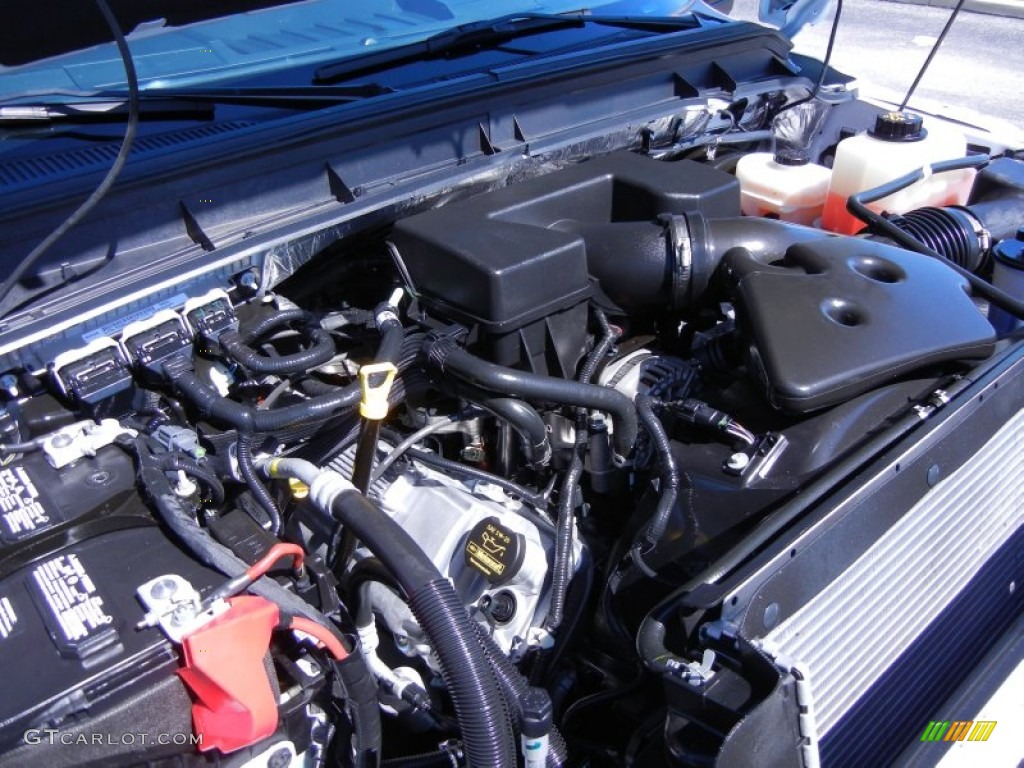
<layer highlight="term-1" class="searchwp-term searchwp-highlight-searchwp-highlighting">2011</layer> <layer highlight="term-2" class="searchwp-term searchwp-highlight-searchwp-highlighting">F250</layer> SB <layer highlight="term-3" class="searchwp-term searchwp-highlight-searchwp-highlighting">6.2</layer>:
Trending Topics
Lead Driver
Joined: Sep 2003
Posts: 5,844
Likes: 6
From: Albuquerque
FTE Stories
Ford Trucks for Ford Truck Enthusiasts

2027 Ford Super Duty Buyer's Guide (Every Model, Engine, & Package)
Brett Foote
Top 10 Ford Truck Tragedies
Joe Kucinski
AEV FXL Super Duty - the Super Duty Raptor Ford Doesn't Make
Brett Foote
Lobo Vs Lobo: Proof the F-150 Lobo Should Be Even Lower!
Michael S. Palmer
Ford's 2001 Explorer Sportsman Concept Looks For a New Home
Verdad Gallardo
10 Best Ford Truck Engines We Miss the Most!
Joe Kucinski
2026 Shelby F-150 Off-Road: Better Than a Raptor R?
Brett Foote
2027 Super Duty Carhartt Package First Look: 12 Things You NEED to Know!
Michael S. Palmer
10 Most Surprising 2026 Ford Truck Features!
Joe Kucinski
Thread Starter
|
Freshman User
Joined: Jul 2012
Posts: 35
Likes: 0
No,
Cast-iron engine block and four-bolt main bearing caps, with cross bolts, for durability
Aluminum cylinder heads, with two valves per cylinder and two spark plugs per cylinder
Cast-iron crankshaft, with dual-mode damper
Forged steel connecting rods
Cast-aluminum pistons, with cooling jets
Single overhead camshaft with variable valve timing and roller-rocker shaft valvetrain
***Magnesium cam covers for lighter weight***
Stamped-steel oil pan
Composite intake manifold
Stainless-steel fuel rail; port-fuel-injected; mechanical returnless fuel system
9.8:1 compression ratio
E85/flex fuel capable
Magnesium is a highly flammable metal, but while it is easy to ignite when powdered or shaved into thin strips, it is difficult to ignite in mass or bulk. Once ignited, it is difficult to extinguish, being able to burn in nitrogen (forming magnesium nitride), carbon dioxide (forming magnesium oxide and carbon) and water (forming magnesium oxide and hydrogen). This property was used in incendiary weapons used in the firebombing of cities in World War II, the only practical civil defense being to smother a burning flare under dry sand to exclude the atmosphere. On burning in air, magnesium produces a brilliant white light which includes strong ultraviolet. Thus magnesium powder (flash powder) was used as a source of illumination in the early days of photography. Later, magnesium ribbon was used in electrically ignited flash bulbs. Magnesium powder is used in the manufacture of fireworks and marine flares where a brilliant white light is required. Flame temperatures of magnesium and magnesium alloys can reach 3,100 °C (3,370 K; 5,610 °F),[7] although flame height above the burning metal is usually less than 300 mm (12 in).[8] Magnesium may be used as an ignition source for thermite, an otherwise difficult to ignite mixture of aluminium and iron oxide powder.
Cast-iron engine block and four-bolt main bearing caps, with cross bolts, for durability
Aluminum cylinder heads, with two valves per cylinder and two spark plugs per cylinder
Cast-iron crankshaft, with dual-mode damper
Forged steel connecting rods
Cast-aluminum pistons, with cooling jets
Single overhead camshaft with variable valve timing and roller-rocker shaft valvetrain
***Magnesium cam covers for lighter weight***
Stamped-steel oil pan
Composite intake manifold
Stainless-steel fuel rail; port-fuel-injected; mechanical returnless fuel system
9.8:1 compression ratio
E85/flex fuel capable
Magnesium is a highly flammable metal, but while it is easy to ignite when powdered or shaved into thin strips, it is difficult to ignite in mass or bulk. Once ignited, it is difficult to extinguish, being able to burn in nitrogen (forming magnesium nitride), carbon dioxide (forming magnesium oxide and carbon) and water (forming magnesium oxide and hydrogen). This property was used in incendiary weapons used in the firebombing of cities in World War II, the only practical civil defense being to smother a burning flare under dry sand to exclude the atmosphere. On burning in air, magnesium produces a brilliant white light which includes strong ultraviolet. Thus magnesium powder (flash powder) was used as a source of illumination in the early days of photography. Later, magnesium ribbon was used in electrically ignited flash bulbs. Magnesium powder is used in the manufacture of fireworks and marine flares where a brilliant white light is required. Flame temperatures of magnesium and magnesium alloys can reach 3,100 °C (3,370 K; 5,610 °F),[7] although flame height above the burning metal is usually less than 300 mm (12 in).[8] Magnesium may be used as an ignition source for thermite, an otherwise difficult to ignite mixture of aluminium and iron oxide powder.


Lead Driver
Joined: Sep 2003
Posts: 5,844
Likes: 6
From: Albuquerque
Remembered to post back about the valve covers. YES...they are the new black style. IMHO...not a big deal...but there you have it.
biz


Posting Guru
Joined: Dec 2008
Posts: 1,764
Likes: 0
I did an oil change last week and noticed my '12 F350 has the black plastic covers. Must have switched sometime in '12. I don't know the build date of my truck though.

Tuned

Joined: Oct 2006
Posts: 453
Likes: 12
S

Thread
Thread Starter
Forum
Replies
Last Post
brandzo99
Big Block V8 - 385 Series (6.1/370, 7.0/429, 7.5/460)
5
Jan 24, 2005 10:59 PM
trinogt
Big Block V8 - 385 Series (6.1/370, 7.0/429, 7.5/460)
4
Sep 14, 2002 12:02 AM