







Towing 21,000 Tons
Thread Starter
|
Cargo Master
Joined: Oct 2005
Posts: 2,599
Likes: 2
From: Farmington NM
Trending Topics

FTE Leadership Emeritus
Joined: Aug 2007
Posts: 42,085
Likes: 6
From: Lakewood, Ca.

Ok...now I get it. Sorry 'bout that 
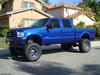
Is that yours Steve, or did you just borrow it for a while?
Is that yours Steve, or did you just borrow it for a while?
FTE Stories
Ford Trucks for Ford Truck Enthusiasts

Rezvani's Latest Post-Apocalytic Monster Is a Ford F-150 Raptor Underneath
Verdad Gallardo
Top 10 Most Expensive Ford Trucks Ever Sold on Bring a Trailer
Joe Kucinski
2027 Ford Super Duty Buyer's Guide (Every Model, Engine, & Package)
Brett Foote
Top 10 Ford Truck Tragedies
Joe Kucinski
AEV FXL Super Duty - the Super Duty Raptor Ford Doesn't Make
Brett Foote
Lobo Vs Lobo: Proof the F-150 Lobo Should Be Even Lower!
Michael S. Palmer
Ford's 2001 Explorer Sportsman Concept Looks For a New Home
Verdad Gallardo
10 Best Ford Truck Engines We Miss the Most!
Joe Kucinski
2026 Shelby F-150 Off-Road: Better Than a Raptor R?
Brett Foote

Hotshot
Joined: Feb 2003
Posts: 11,537
Likes: 27
From: Long Beach, Ms.
The bombing of Nagasaki
Nagasaki suffered the same fate as Hiroshima in August 1945. The bombing of Nagasaki on August 9th was the last major act of World War Two and within days the Japanese had surrendered.
'Bockscar' carried an atomic bomb that differed from 'Little Boy' carried by 'Enola Gay' for the Hiroshima bombing. 'Fat Man' was not a gun-type bomb but used the implosion method; it had a circle of 64 detonators that would drive pieces of plutonium together into a supercritical mass. 'Little Boy' had used Uranium 235. 'Fat Man' weighed about 10,000 lbs and was 10 feet 8 inches long. It had the explosive capacity of about 20,000 tons of high explosives.
'Fat Man' was a very effective bomb. Its blast was bigger than 'Little Boy's' but its impact was reduced by the natural topography of the city. Where the bomb blast hit at its peak, massive damage was done. An area about 2.3 miles by 1.9 miles was destroyed but other parts of the city were saved from the blast. Curiously, the city's train service was not interrupted and the fire damage that followed Hiroshima did not occur in Nagasaki as many parts of the city were broken up by water. The fires simply could not cross these gaps and they burned out.
However, considerable damage was done to the city. The horrific injuries suffered at Hiroshima were also witnessed at Nagasaki. The city's medical facilities were not totally destroyed by 'Fat Man' as at Hiroshima - but nobody was capable of coping with those who were injured in the blast.
16 hours after the nuking of Nagasaki ,"On August 10, 1945 at 0300, the Japanese Emperor without his cabinet's consent decided to end the Pacific War."
Nagasaki suffered the same fate as Hiroshima in August 1945. The bombing of Nagasaki on August 9th was the last major act of World War Two and within days the Japanese had surrendered.
'Bockscar' carried an atomic bomb that differed from 'Little Boy' carried by 'Enola Gay' for the Hiroshima bombing. 'Fat Man' was not a gun-type bomb but used the implosion method; it had a circle of 64 detonators that would drive pieces of plutonium together into a supercritical mass. 'Little Boy' had used Uranium 235. 'Fat Man' weighed about 10,000 lbs and was 10 feet 8 inches long. It had the explosive capacity of about 20,000 tons of high explosives.
'Fat Man' was a very effective bomb. Its blast was bigger than 'Little Boy's' but its impact was reduced by the natural topography of the city. Where the bomb blast hit at its peak, massive damage was done. An area about 2.3 miles by 1.9 miles was destroyed but other parts of the city were saved from the blast. Curiously, the city's train service was not interrupted and the fire damage that followed Hiroshima did not occur in Nagasaki as many parts of the city were broken up by water. The fires simply could not cross these gaps and they burned out.
However, considerable damage was done to the city. The horrific injuries suffered at Hiroshima were also witnessed at Nagasaki. The city's medical facilities were not totally destroyed by 'Fat Man' as at Hiroshima - but nobody was capable of coping with those who were injured in the blast.
16 hours after the nuking of Nagasaki ,"On August 10, 1945 at 0300, the Japanese Emperor without his cabinet's consent decided to end the Pacific War."
Elder User
Joined: Jul 2003
Posts: 979
Likes: 0
From: SoCali!!
The bombing of Nagasaki
Nagasaki suffered the same fate as Hiroshima in August 1945. The bombing of Nagasaki on August 9th was the last major act of World War Two and within days the Japanese had surrendered.
'Bockscar' carried an atomic bomb that differed from 'Little Boy' carried by 'Enola Gay' for the Hiroshima bombing. 'Fat Man' was not a gun-type bomb but used the implosion method; it had a circle of 64 detonators that would drive pieces of plutonium together into a supercritical mass. 'Little Boy' had used Uranium 235. 'Fat Man' weighed about 10,000 lbs and was 10 feet 8 inches long. It had the explosive capacity of about 20,000 tons of high explosives.
'Fat Man' was a very effective bomb. Its blast was bigger than 'Little Boy's' but its impact was reduced by the natural topography of the city. Where the bomb blast hit at its peak, massive damage was done. An area about 2.3 miles by 1.9 miles was destroyed but other parts of the city were saved from the blast. Curiously, the city's train service was not interrupted and the fire damage that followed Hiroshima did not occur in Nagasaki as many parts of the city were broken up by water. The fires simply could not cross these gaps and they burned out.
However, considerable damage was done to the city. The horrific injuries suffered at Hiroshima were also witnessed at Nagasaki. The city's medical facilities were not totally destroyed by 'Fat Man' as at Hiroshima - but nobody was capable of coping with those who were injured in the blast.
16 hours after the nuking of Nagasaki ,"On August 10, 1945 at 0300, the Japanese Emperor without his cabinet's consent decided to end the Pacific War."
Nagasaki suffered the same fate as Hiroshima in August 1945. The bombing of Nagasaki on August 9th was the last major act of World War Two and within days the Japanese had surrendered.
'Bockscar' carried an atomic bomb that differed from 'Little Boy' carried by 'Enola Gay' for the Hiroshima bombing. 'Fat Man' was not a gun-type bomb but used the implosion method; it had a circle of 64 detonators that would drive pieces of plutonium together into a supercritical mass. 'Little Boy' had used Uranium 235. 'Fat Man' weighed about 10,000 lbs and was 10 feet 8 inches long. It had the explosive capacity of about 20,000 tons of high explosives.
'Fat Man' was a very effective bomb. Its blast was bigger than 'Little Boy's' but its impact was reduced by the natural topography of the city. Where the bomb blast hit at its peak, massive damage was done. An area about 2.3 miles by 1.9 miles was destroyed but other parts of the city were saved from the blast. Curiously, the city's train service was not interrupted and the fire damage that followed Hiroshima did not occur in Nagasaki as many parts of the city were broken up by water. The fires simply could not cross these gaps and they burned out.
However, considerable damage was done to the city. The horrific injuries suffered at Hiroshima were also witnessed at Nagasaki. The city's medical facilities were not totally destroyed by 'Fat Man' as at Hiroshima - but nobody was capable of coping with those who were injured in the blast.
16 hours after the nuking of Nagasaki ,"On August 10, 1945 at 0300, the Japanese Emperor without his cabinet's consent decided to end the Pacific War."

Thread
Thread Starter
Forum
Replies
Last Post
