


checking on new paint, please help!

Thread Starter
|
Senior User
Joined: Oct 2010
Posts: 262
Likes: 0
From: Pleasant Hill, Mo.
checking on new paint, please help!
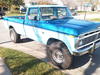
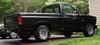
I recently painted my 2-tone 73 ford. I painted the inside first with no ploblems. I was in a air conditioned shop. The next step was the outside or exterior of the truck. I used a 2k primer (nason's or mason's brand) then used the same brand sealer. When I started spraying the base coat on the exterior I was in a nonairconditioed shop. Temps that day were calling for 90 degrees. I started early and shot the first color of light blue. After the color dried, I masked off for the second color. I laid down the second color then put the first coat of clear. I started to spray the 2nd coat of clear and noticed it started to check in places. I called a paint place freaking out and they said to lightly sand it and shoot another coat. When I shot the rest of the truck it started to get crows feet on all of it. Many people have told me different things. Most people think it was the heat or hummidity. Some say the paint/primer/sealer where not compatable. Since it all has happened I have sanded down the bad spots and sprayed base coat over them with no luck. I'm at a point where I'm almost out of paint. The bed is the worse so I'm currently sanding it down. The cab just has light checking just in the clear coat. I plan on wet sanding that and try my luck. Here are the questions I am looking at. What is the best way to sand the bed down. I'm using 320 grit paper using a block and going nowhere. I'm scared to go down in grit and leave sanding marks. Can I use a da then follow with block? What caused the crows feet? Any help would be great for now I'm at a point where I don't know what way to go and get sick everytime I look at it. Forgot to mention the reducer I used was a slow reducer rated at 85 degrees. Thanks.
Cargo Master
Joined: Apr 2010
Posts: 2,936
Likes: 9
From: Acworth, GA
I recently painted my 2-tone 73 ford. I painted the inside first with no ploblems. I was in a air conditioned shop. The next step was the outside or exterior of the truck. I used a 2k primer (nason's or mason's brand) then used the same brand sealer. When I started spraying the base coat on the exterior I was in a nonairconditioed shop. Temps that day were calling for 90 degrees. I started early and shot the first color of light blue. After the color dried, I masked off for the second color. I laid down the second color then put the first coat of clear. I started to spray the 2nd coat of clear and noticed it started to check in places. I called a paint place freaking out and they said to lightly sand it and shoot another coat. When I shot the rest of the truck it started to get crows feet on all of it. Many people have told me different things. Most people think it was the heat or hummidity. Some say the paint/primer/sealer where not compatable. Since it all has happened I have sanded down the bad spots and sprayed base coat over them with no luck. I'm at a point where I'm almost out of paint. The bed is the worse so I'm currently sanding it down. The cab just has light checking just in the clear coat. I plan on wet sanding that and try my luck. Here are the questions I am looking at. What is the best way to sand the bed down. I'm using 320 grit paper using a block and going nowhere. I'm scared to go down in grit and leave sanding marks. Can I use a da then follow with block? What caused the crows feet? Any help would be great for now I'm at a point where I don't know what way to go and get sick everytime I look at it. Forgot to mention the reducer I used was a slow reducer rated at 85 degrees. Thanks.
Thread Starter
|
Senior User
Joined: Oct 2010
Posts: 262
Likes: 0
From: Pleasant Hill, Mo.
I have talked to our local collision/paint shop who are great guys. They told me that the urethane paint usually are compatable with most primers and sealers. They think it was the heat. They said being that the interior didn't have any reaction in a cooled shop that wasn't a problem with the paint. I used the same sealer and primer in the interior and exterior. I have not called the paint supplier thinking it was the heat not the paint. When I ruffed up the surface and sanded the crows feet smooth I reshot the paint misting it on the first coat. The crows feet still came through.
Cargo Master
Joined: Apr 2010
Posts: 2,936
Likes: 9
From: Acworth, GA
I have talked to our local collision/paint shop who are great guys. They told me that the urethane paint usually are compatable with most primers and sealers. They think it was the heat. They said being that the interior didn't have any reaction in a cooled shop that wasn't a problem with the paint. I used the same sealer and primer in the interior and exterior. I have not called the paint supplier thinking it was the heat not the paint. When I ruffed up the surface and sanded the crows feet smooth I reshot the paint misting it on the first coat. The crows feet still came through.
Thread Starter
|
Senior User
Joined: Oct 2010
Posts: 262
Likes: 0
From: Pleasant Hill, Mo.
My product is restoration shop. I ordered it from TCP Global. My father and another friends have got their stuff there with great luck. My basecoat mixes with the reducer 2:1. The clear coat came with the slow reducer plus it came with a flow enhancer which is for hot weather. I did not mix the flow enhancer in the clear coat. The weather at the time didn't seem that hot. When the thermometer read 92 degrees I was shocked. The high was suppose to be a lot cooler that day. It felt hotter in my shop than outside.

Thread
Thread Starter
Forum
Replies
Last Post
old broke prospector
1961 - 1966 F-100 & Larger F-Series Trucks
7
Feb 28, 2013 10:55 PM
Fydaman
1973 - 1979 F-100 & Larger F-Series Trucks
23
May 20, 2012 08:24 AM






