
Engine Won’t Start? Chasing Electrical Gremlins in 7th-gen F-250
What’s worse than chasing down electrical issues? Issues that only appear intermittently.
Intermittent issues on cars are always the worst. Without repetition, it is tough to diagnose an electrical failure. A flat tire is an obvious fix. A truck that won’t re-start when it is warm is a bit more puzzling. That’s what Ford-Trucks forum member snafuF250 is going through right now. His 1986 Ford F-250 will start fine when it is cold, but after running for a while, it won’t re-start when the engine has reached operating temperature. It needs to cool before being able to re-start.
Here’s some of the symptoms as described in the forum thread:
Scenario #1: I get up to go to work in the morning. Crank it once and it fires up IMMEDIATELY, no hesitation, no struggling or anything. Runs like a champ all the way to work (30 mins). Park it, goto work, come out at the end of day its the exact same thing, it fires up immediately without issues, runs smoothly all the way home, everything is good with the world.
Scenario #2 is the same as scenario #1 except this time on the way home from work, I stop at the grocery store to pick up some milk…so after 25 mins drive I park and turn off the engine. Come back out a few mins later, it will not even turn the engine over. It feels almost like the engine is partly seized or something, like the starter is struggling to turn it and just can’t muster enough torque to do so…sounds like a dead battery but it’s not, battery voltage reads normal and putting a jump on it does nothing, same problem. Now, if I let it sit for 45 mins – 60 mins? It starts up immediately without issues!

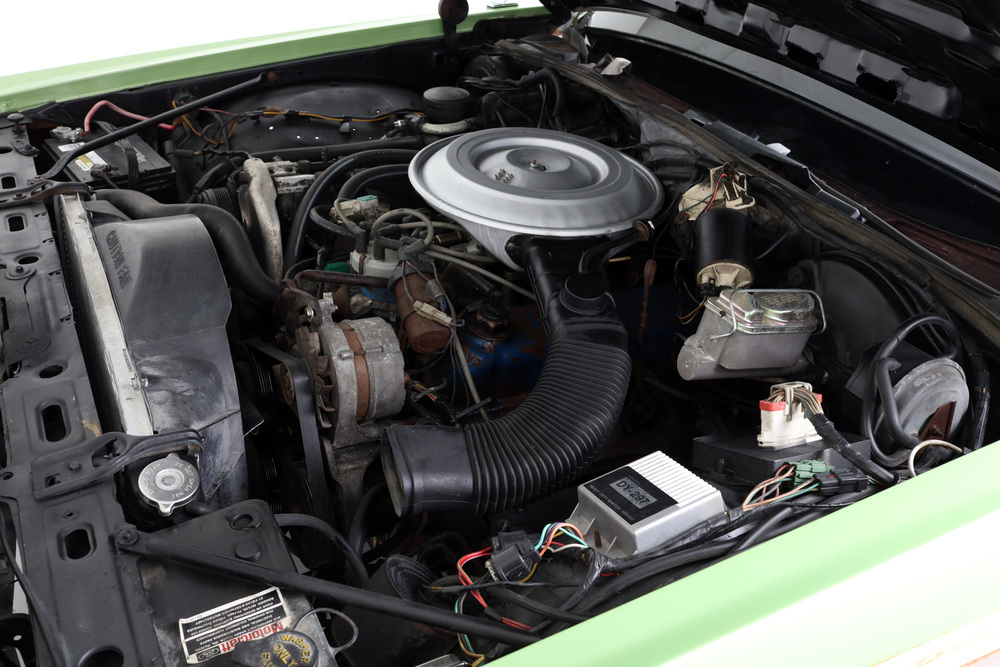
First, the basics, snafuF250’s truck is, as you guessed, an F-250. The truck is from 1986 has 4×4 and a 351 Windsor. Forum members had jumped in for a quick diagnosis of the problem, which could happen to a variety of engines, not just the 351 Windsor. The starter and battery had both been replaced, so those two were ruled out as part of the electrical issue. Yes, heat can affect a starter, but that wasn’t the case here. Next was timing. If it is too far advanced, the engine will start fine when cold, but as the engine warms, compression increases. This could cause extra load on the starter causing it to crank slowly. There’s a great way to isolate this issue though.

All that needs to be done to ignition as the problem is to remove the coil wire. This takes out ignition from the issue so if the engine cranks at a different speed during this test, you’ve found your electrical problem. Consequently, you can use a timing light to find out exactly what your engine’s timing is at and adjust it. Loosening the distributor cap and rotating it to the correct timing should fix the problem. You may find that although the original post never was followed up, the how-do diagnose procedures with basic tools (or none at all) is worth wile, and proves our forum members are an invaluable resource that can work on a wide variety of engines.
Join the Ford Truck Enthusiasts forums now!


You must be logged in to post a comment.