
7 Reasons Modern Diesel Engines Are Less Reliable and More Expensive!
Modern diesels have never been more powerful or capable. But they're also noticeably less reliable and more expensive. Here's why.




The Problem With Progress
Since the beginning of, well, the diesel engine, we've been told that oil burners are more reliable and longer-lasting than their gas-powered counterparts, not to mention better at pulling extra-heavy loads. However, stricter emissions laws and the arrival of modern technology has thrown a big monkey wrench into this claim, and here, we've outlined precisely why that is the case - aside from the fact that opting for a diesel over a gas engine from the get-go is significantly more expensive.
1. Complexity
In the old days, diesel engines required very little to get going - aside from a battery to start and fuel to run. However, modern diesels - like their gas counterparts - use sophisticated computers and sensors spread out in complicated CAN bus networks to control their operation. In these networks, if the wrong sensor stops communicating, your truck will go into a reduced power mode or not run altogether. Modern diesels are also built to tighter tolerances with higher peak pressures. Great for performance; not so great for longevity as the added stress increases wear and tear. Relatively speaking, older diesels rarely ran at peak potential in terms of output, which allowed them to last longer. The difference is akin to someone who's always racing and driving their rig hard around a city versus someone who only cruises casually on the highway.
2. Diesel Particulate Filters
Diesel particulate filters (DPF) are used to reduce the amount of particulate matter emitted by diesel-powered vehicles, and they essentially act as a soot trap, preventing black smoke from entering the air. Problem is, that material must be burned off before the DPF becomes full, which creates problems with city driving. The DPF will typically last somewhere between 150,000 and 200,000 miles, or around half that if the vehicle is used primarily in the city.
The worst part? These filters can cost upwards of $10,000 to replace (not including labor). And for those who try to "delete" them, the EPA has been cracking down hard on shops and truck owners if you're found out.
3. Diesel Exhaust Fluid (DEF)
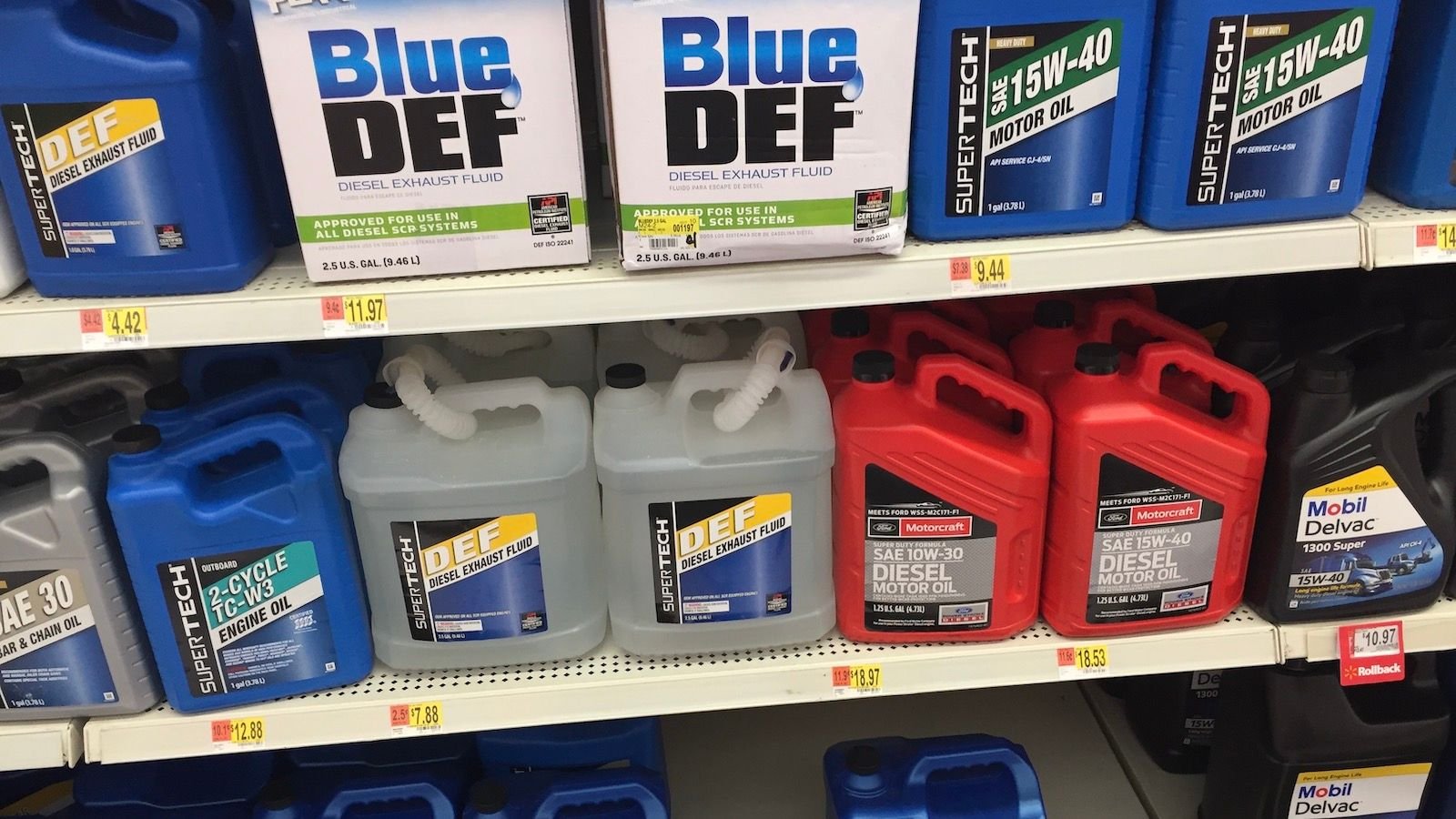
Diesel exhaust fluid (DEF) systems also helps reduce emissions by injecting a fluid containing uric acid into the exhaust stream. This prevents nitrogen oxides (NOx) from being released into the atmosphere. While DEF systems themselves haven't proven to be terribly unreliable, buying the fluid itself can cost around $6 per gallon. And the system takes 8 gallons, which you need to refill, roughly speaking, every 5,000 to 6,000 miles. (Effectively, for every gallon of diesel fuel consumed, the system uses 2% to 3% of that amount in DEF fluid.) Oh, and if you let that DEF fluid tank run dry? You could damage expensive components such as the DEF header, catalysts, and the aforementioned particulate filter, which could cost thousands in repairs.
4. Exhaust Gas Recirculation (EGR)
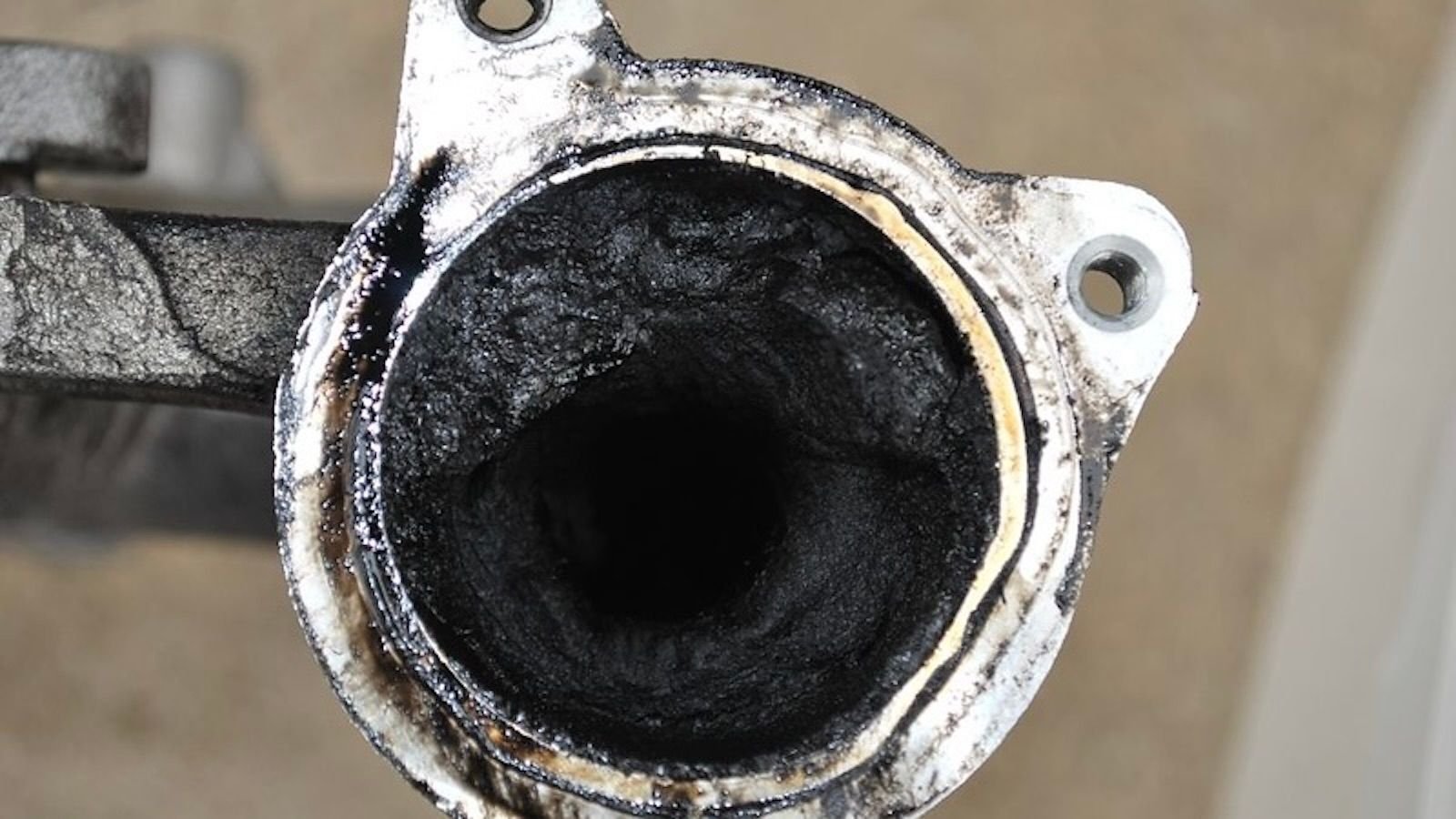
EGR systems feed exhaust gases back into the engine to reduce the emission of nitrogen oxides (NOx), but since diesel generates so much particular matter, the presence of an EGR valve is problematic because it has a shorter life span than in gas vehicles - anywhere from 50k-150k miles, depending on use and application. And it's not terribly cheap to replace. The same goes for swirl flaps, which are also used to reduce emissions but just add yet another part to the mix that much eventually be replaced. And there's also an EGR cooler which is prone to clogging on 6.7 PowerStrokes. All of which feature expensive parts and lots of expensive labor time.
5. Common Rail Fuel Injection
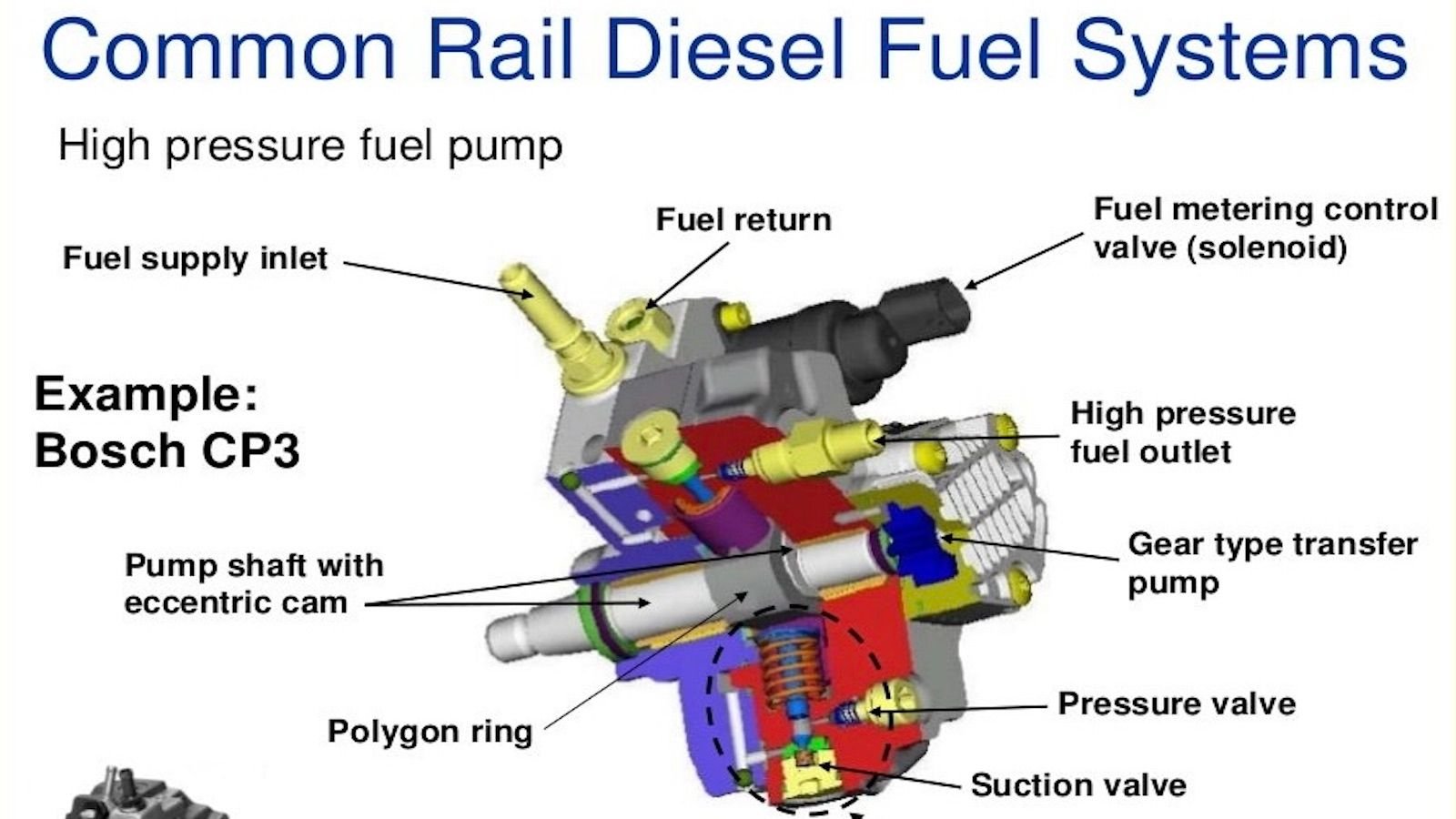
Modern, common rail fuel injection systems are able to operate at extremely high pressures, helping them generate more power in a quiet and efficient manner. However, these systems also lead to a shorter fuel injector lifespan and a lack of tolerance for poor fuel quality. For 2011+ 6.7 PowerStrokes, Ford installed the 'CP4' high-pressure fuel pump that's currently part of a class-action lawsuit due to its allegedly high failure rate. (Casually Googling the issue raises thousands of forum discussions, how-to guides, and replacement parts.) Speaking of which, replacing the entire system starts at around $5,000 before labor costs. And sometimes when these systems fail, they can also cause catastrophic engine damage.
6. The Matter of Fuel
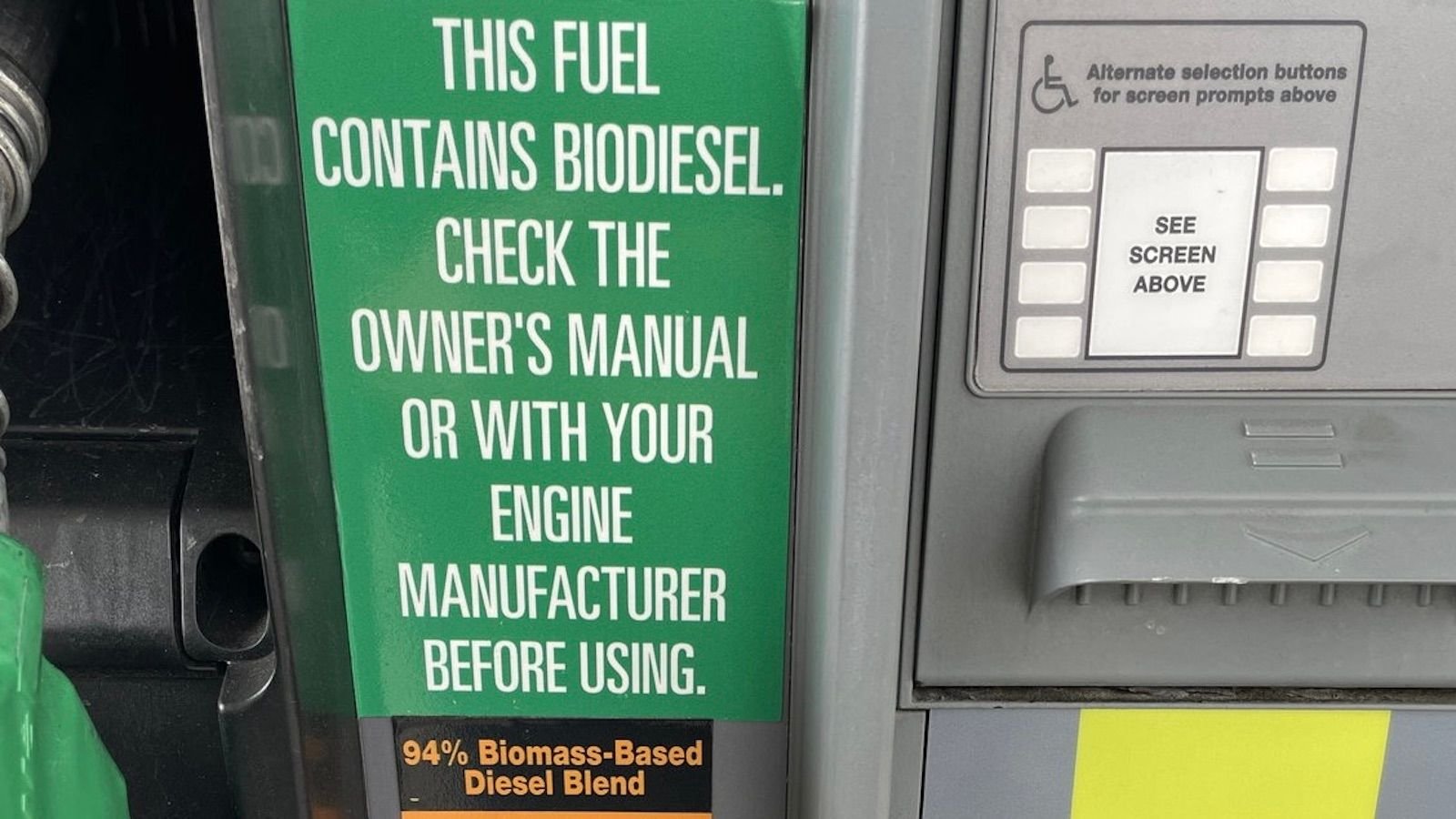
These days, diesel fuel is more expensive than regular gas pretty much everywhere, which puts it at a disadvantage right off the bat. It's also lower in terms of quality than ever before. Why? Emissions, of course. Specifically, the U.S. is currently transitioning to low and ultra-low sulfur fuel. This does, in fact, help emissions, therefore dramatically reducing smog and acid rain. Unfortunately for diesel engines, sulfur was added to the fuel because of the way it combines with the nickel elements used in various alloy engine components, which improves lubricity. In short, sulfur helped make system components like seals and fuel pumps last longer. With the sulfur going away, automakers design engines differently, which costs more. They also require more stringent types of coolant, fuel, and oil, which are more expensive. And, again, the wear and tear on the entire engine and fuel system is greater... thanks to fuel that's also more expensive.
7. Maintenance and Repair Costs
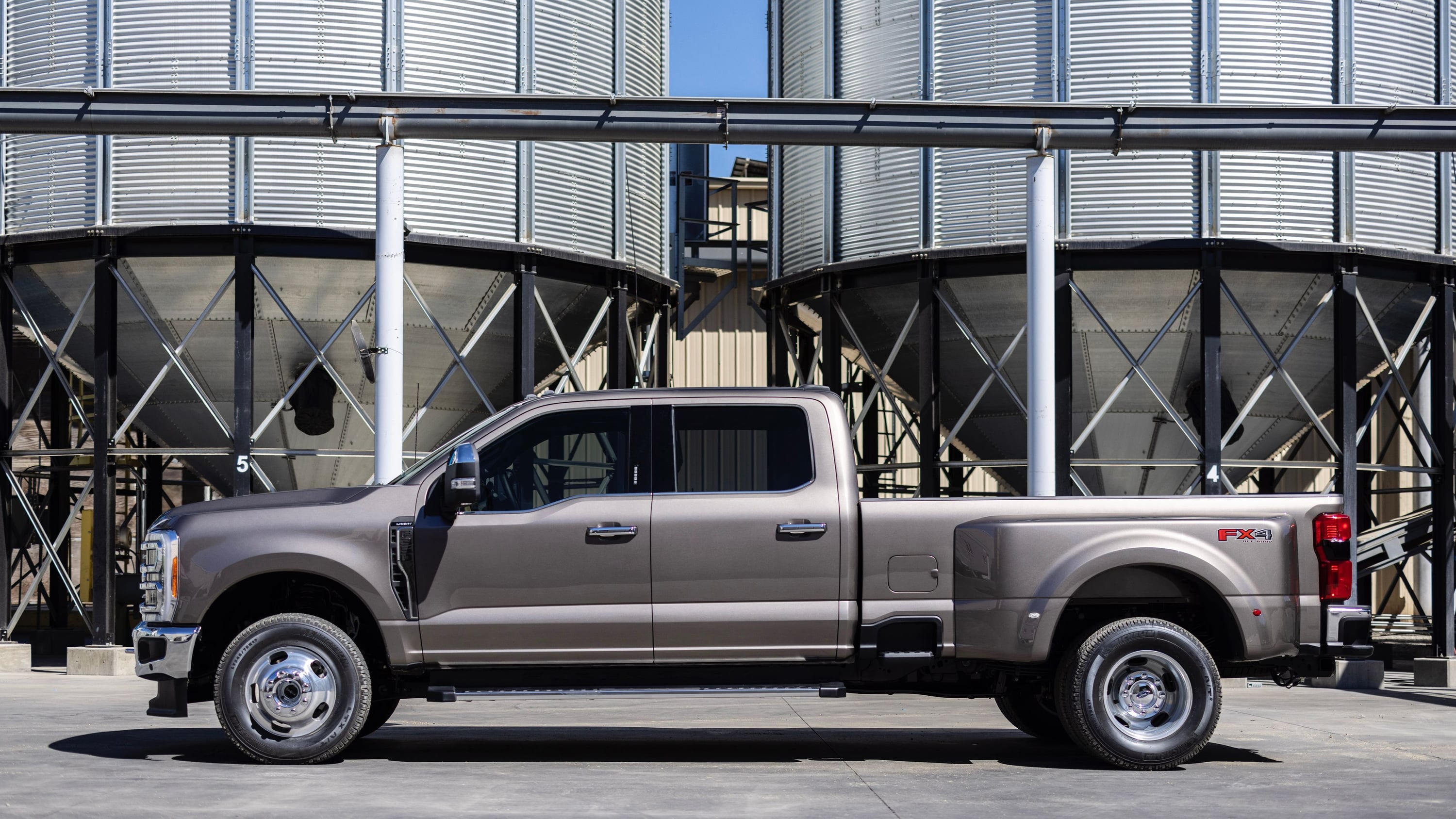
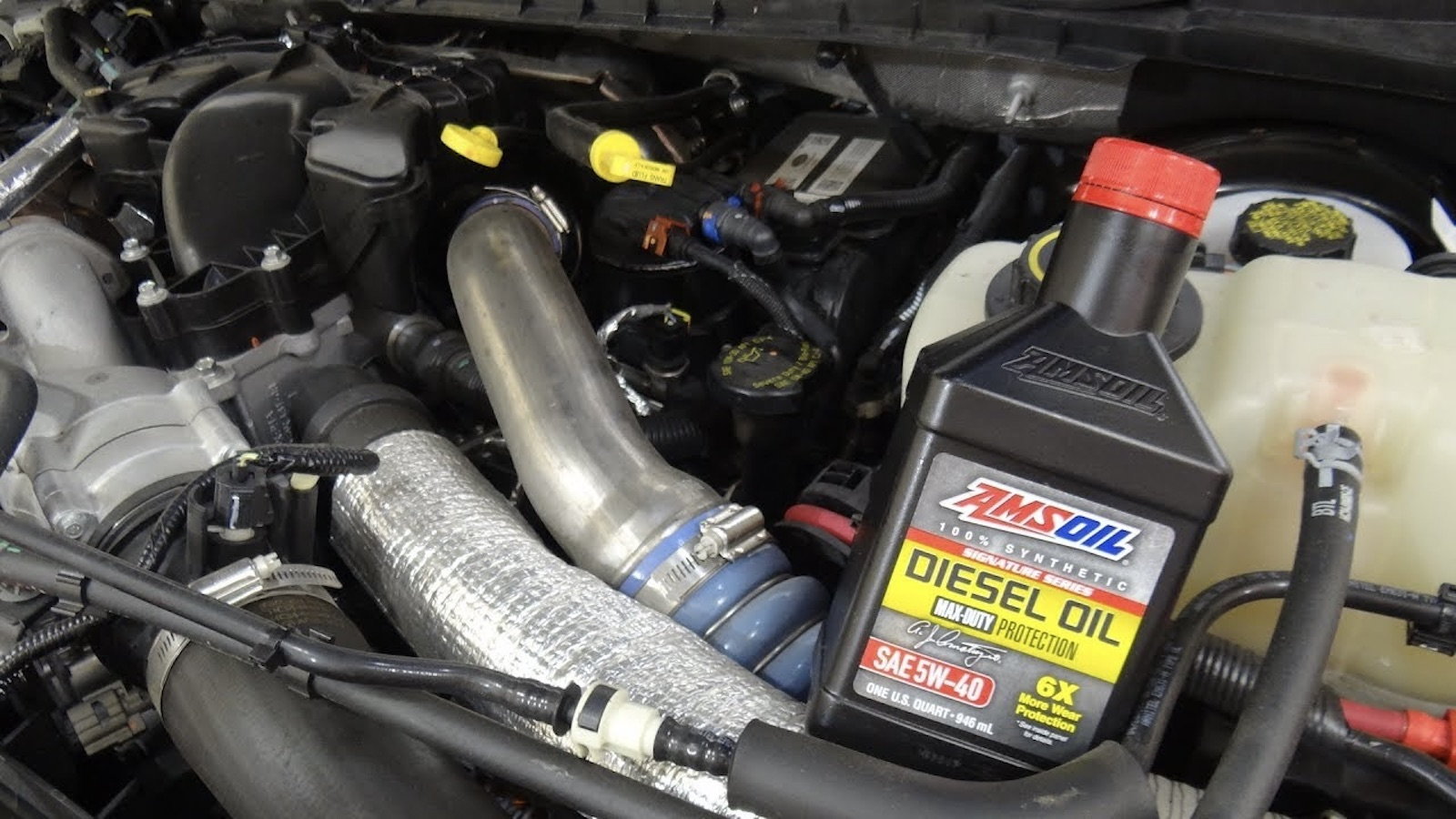
Because of all of these extra, pricey components, repairing and maintaining diesel engines is vastly more costly than their gas counterparts, with the modern Super Duty presenting owners with oil changes that can cost north of $200, for example. Plus, all of the aforementioned parts and potential failures aren't cheap either, meaning that you'll shell out more to keep your newer diesel going for the long haul. Or, sadly, it could leave you stranded with a truck at the dealership for months waiting on parts. Does that make a modern diesel worth the extra cost of admission, as well as shelling out more to keep it going for the long haul? Well, that's for you to decide!